Tenjin Matsuri 2027
A city becomes the festival when the Tenjin Matsuri returns to Osaka this July, bringing together shrine rituals, a massive land procession, a river flotilla of more than 100 boats, festival food, and one of the city’s most unforgettable summer celebrations.
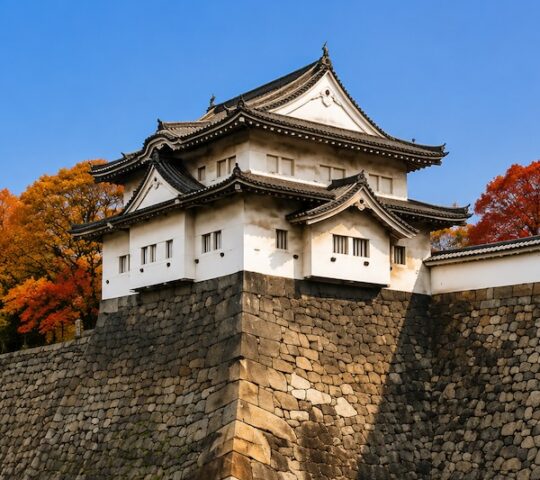
Every summer, Tenjin Matsuri transforms Osaka into a citywide celebration unlike any other. Centered on Osaka Tenmangu Shrine and recognized as one of Japan’s Three Great Festivals, the event combines sacred traditions, historical processions, river ceremonies, food stalls, and summer festivities that draw more than a million visitors across the festival period.
 The celebrations begin on July 24 with Yoimiya, a day of ceremonies and preparations that marks the opening of the festival. Around Osaka Tenmangu, worshippers gather, festival participants make their final preparations, and the atmosphere steadily builds in anticipation of the main festival day.
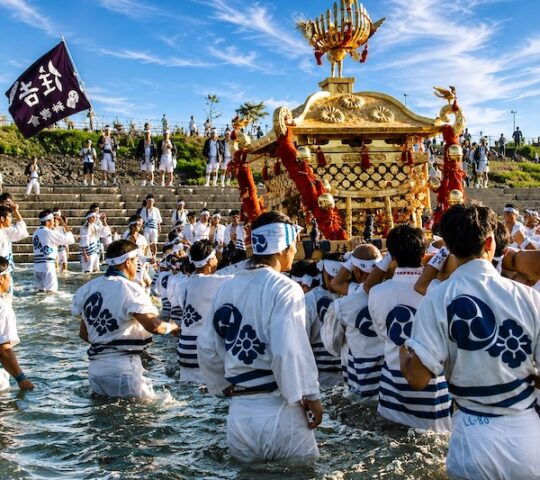
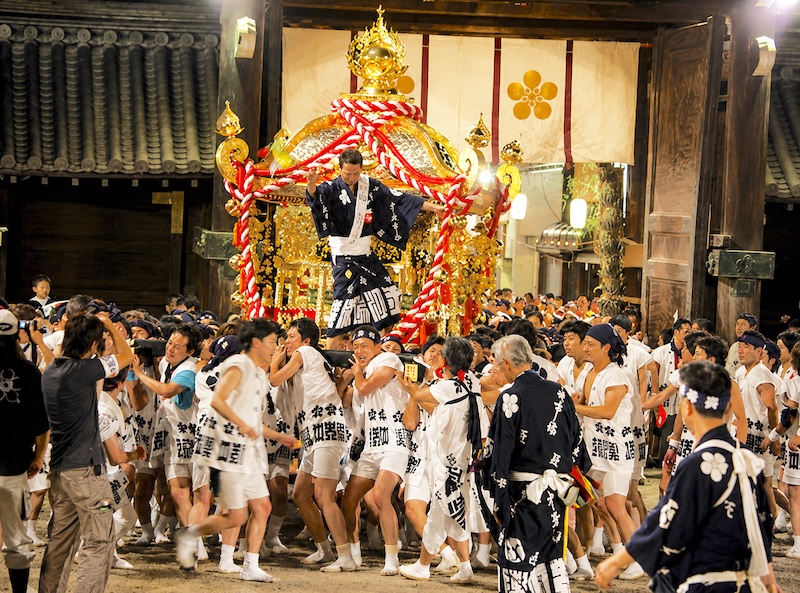
On July 25, the famous Rikutogyo (Land Procession) departs Osaka Tenmangu. Approximately 3,000 participants dressed in historical costumes move through central Osaka accompanied by portable shrines, musicians, attendants, and festival officials. Streets fill with spectators as the procession transforms modern Osaka into a living scene from Japan’s past.
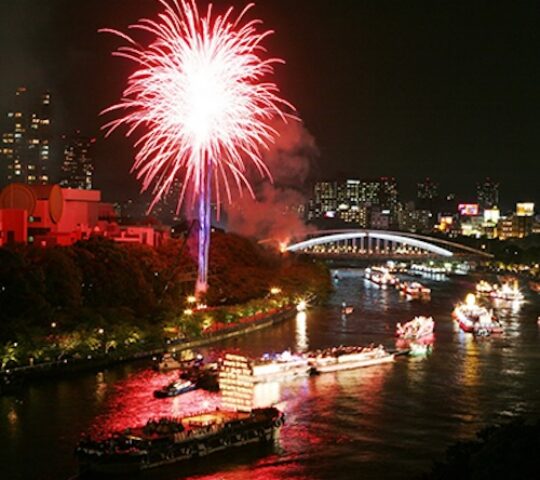
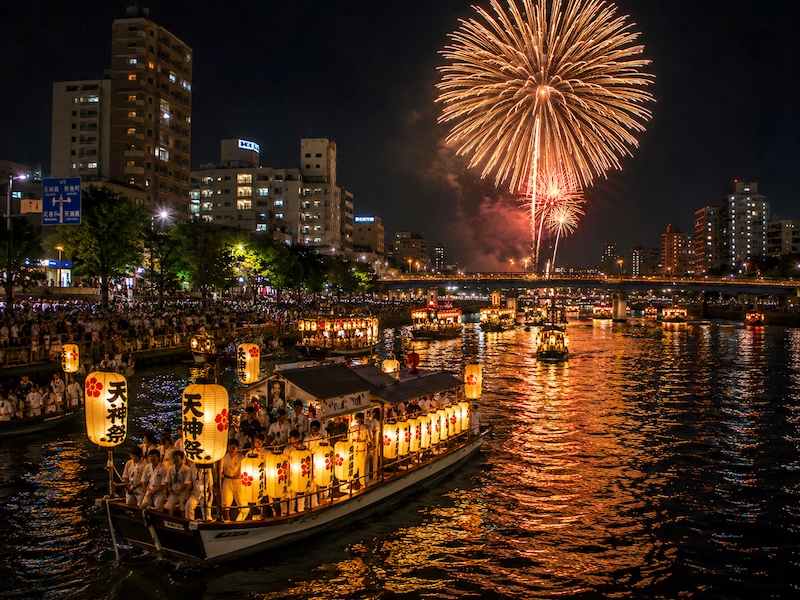
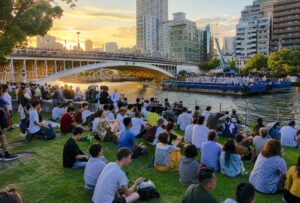 As evening approaches, the festival shifts to the Okawa River for the Funatogyo (River Procession), one of Tenjin Matsuri’s defining traditions. More than 100 boats carrying participants, musicians, and sacred elements of the festival glide through the city beneath the glow of lanterns and summer skies. The combination of traditional river vessels and Osaka’s modern skyline creates one of the most iconic scenes of the season.
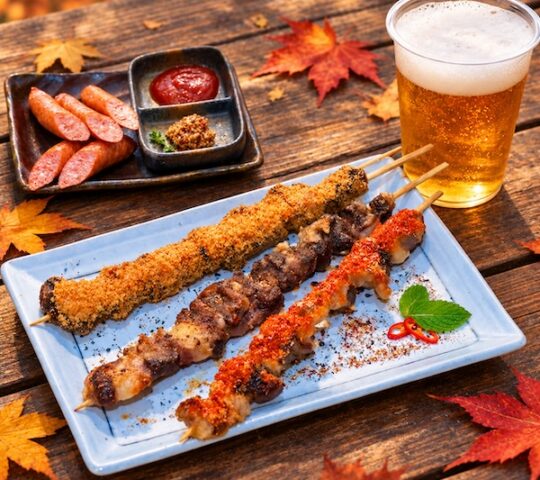
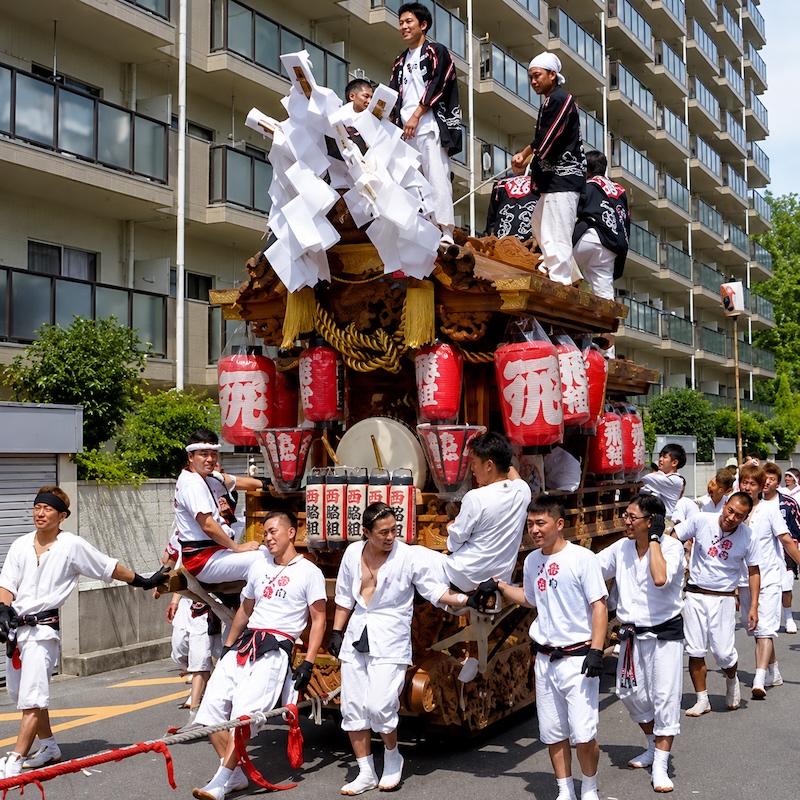
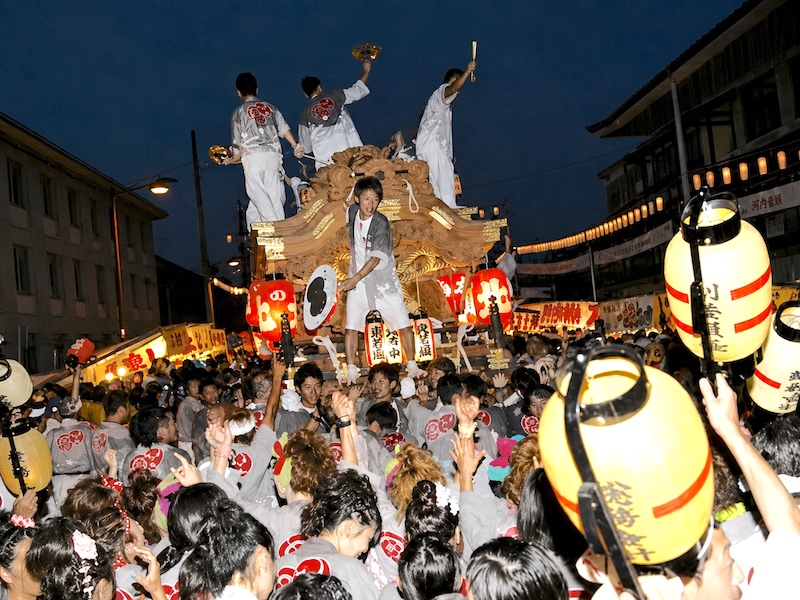
Beyond the official ceremonies, Tenjin Matsuri delivers the atmosphere many visitors imagine when they think of a classic Japanese summer festival. 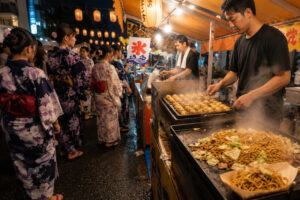 Food stalls, festival games, yukata-clad crowds, and lively streets create an energy that extends far beyond the procession routes. Whether you’re following the festival from shrine to street to river or simply joining the crowds for an evening along the waterfront, the celebration offers countless opportunities to experience Osaka at its most vibrant.
 The festival’s famous fireworks display serves as the spectacular finale, but it is only one part of a much larger story. What makes Tenjin Matsuri special is the way it unfolds across the city itself, gradually drawing neighborhoods, riverbanks, and hundreds of thousands of people into a shared celebration. For two unforgettable days, Osaka doesn’t just host the festival—it becomes the festival.
For readers interested in the deeper history, traditions, and cultural significance of the event, OSAKA SCENE also offers a dedicated magazine feature exploring why Tenjin Matsuri is one of Japan’s Three Great Festivals, along with a separate event guide covering fireworks viewing locations, access, and festival-night tips.

 One of the Big Three – Experience one of Japan’s Three Great Festivals.
A City in Motion – Approximately 3,000 participants fill the streets of Osaka.
Lanterns on the Water –More than 100 illuminated boats glide through the Okawa River.
Summer Matsuri Energy – Food stalls, festival games, yukata, and crowds create a classic Japanese summer festival atmosphere.
The Grand Finale – One of Osaka’s most celebrated summer nights.
More Than Fireworks – A festival that unfolds across shrine, street, and river.
Photos: Osaka Tenmangu official website, Osaka Scene
Maps
Contact
Opening Hours
THE SCENE: FAQ’s
ACCESS
Osaka Tenmangu Shrine (Festival Origin)
Address
2-1-8 Tenjinbashi, Kita-ku, Osaka 530-0041
JR Tozai Line → Osaka Tenmangu Station (Exit 3)
Approximately 3-minute walk.
Osaka Metro Tanimachi Line → Minami-Morimachi Station (Exit 4-B)
Approximately 5-minute walk.
Osaka Metro Sakaisuji Line → Minami-Morimachi Station (Exit 4-B)
Approximately 5-minute walk.
This is the best access point for Yoimiya, shrine ceremonies, and the departure of the Rikutogyo land procession.
Okawa River (Funatogyo & Evening Events)
Osaka Metro Tanimachi Line → Tenmabashi Station (Exit 17 or Exit 18)
Direct access to major riverfront viewing areas.
Keihan Main Line → Tenmabashi Station
Direct access to the Okawa River waterfront.
JR Osaka Loop Line → Sakuranomiya Station (West Exit)
Approximately 5–10 minutes to popular river viewing locations.
These stations provide convenient access to the Funatogyo river procession and evening festival activities.
SCHEDULE
July 24 – Yoimiya (Festival Opening Day)
July 24 – Yoimiya (Festival Opening Day)
Historically, activity takes place from approximately 11:00 AM–9:00 PM
Ceremonies and preparations at Osaka Tenmangu Shrine mark the beginning of Tenjin Matsuri.
Visitors can generally expect activity throughout the day as worshippers, participants, and festival-goers gather around the shrine district ahead of the main festival day.
July 25 – Main Festival Day
Approximately 3:30 PM
Rikutogyo (Land Procession) departs Osaka Tenmangu.
Approximately 3,000 participants in historical costume travel through central Osaka accompanied by portable shrines, musicians, attendants, and festival officials.
Approximately 6:00–7:00 PM
Festival activity shifts toward the Okawa River as participants prepare for the Funatogyo river procession.
Approximately 7:00 PM–9:00 PM
Funatogyo (River Procession)
More than 100 boats carrying participants, musicians, and sacred elements of the festival travel along the Okawa River.
Approximately 7:30 PM–9:00 PM
Tenjin Matsuri Fireworks Display
The fireworks accompany the evening river celebrations and serve as the visual finale to the festival.
Times may vary slightly from year to year. Visitors should consult official announcements closer to the festival date for the final 2026 schedule.
ADMISSION
Festival Admission
Free
Visitors may watch shrine ceremonies, the Rikutogyo land procession, and the Funatogyo river procession from public areas throughout the festival.
Optional Paid Experiences
Some operators may offer:
- River cruises
- Boat-viewing experiences
- Reserved fireworks seating
- Hospitality packages
Availability, pricing, and reservation requirements vary by year and are typically announced closer to the festival date.
Visitors interested in premium viewing options should consult official festival announcements and participating operators as details become available.
THE EXPERIENCE
What Can Visitors Expect?
Over two days, the celebration expands from Osaka Tenmangu Shrine into city streets, across the Okawa River, and eventually into one of Osaka’s most famous summer nights.
Expect:
- Yoimiya festivities and shrine ceremonies on July 24
- The atmosphere around Osaka Tenmangu building throughout the day
- Approximately 3,000 participants in the Rikutogyo land procession
- Traditional costumes, musicians, performers, and ceremonial groups
- Food stalls, festival games, and temporary vendors throughout the festival district
- More than 100 boats participating in the Funatogyo river procession
- Lantern-lit vessels traveling along the Okawa River after sunset
- One of Osaka’s most famous fireworks displays
- Hundreds of thousands of spectators gathering along the waterfront
The experience builds steadily from shrine to street to river. Visitors who arrive early can enjoy the processions, food stalls, and festival atmosphere throughout the day before attention shifts toward the Okawa River for the evening’s boat procession and fireworks finale. Whether you spend a few hours exploring the festivities or follow the celebration from beginning to end, Tenjin Matsuri offers one of the most complete traditional festival experiences in Japan.
INFO & TIPS
July in Osaka is typically hot and humid. Bring water, sun protection, and comfortable walking shoes, especially if you plan to follow the festival from the shrine to the river.
Crowds increase significantly on July 25, particularly near Osaka Tenmangu, Tenmabashi, Sakuranomiya, and popular riverfront viewing areas.
Many experienced visitors arrive early, enjoy the land procession during the afternoon, then gradually move toward the Okawa River for the evening festivities rather than trying to secure a single viewing location for the entire day.
Public transportation is strongly recommended. Road closures, traffic restrictions, and heavy pedestrian traffic affect much of the surrounding area during the festival.
Trains and stations become extremely busy following the conclusion of the fireworks display. Visitors who are not in a hurry may find it more comfortable to enjoy the festival atmosphere a little longer before heading home.
Yukata are not required, but many visitors choose to wear traditional summer attire, adding to the festive atmosphere throughout the city.
For readers interested in the deeper history, traditions, and cultural significance of the festival, see OSAKA SCENE’s feature story:
One of Japan’s Three Great Festivals Happens Right Here in Osaka
Visitors planning to focus on the evening fireworks should also consult OSAKA SCENE’s dedicated Tenjin Matsuri Fireworks Event Guide for viewing locations, access advice, and festival-night planning.