Eat Like a Local: Osaka’s Late‑Winter Comfort Foods
When the Cold Lingers, Osaka Eats Differently
Late winter in Osaka is not dramatic, but it is unmistakable. The cold lingers, mornings stay crisp, and while plum blossoms begin to open, spring still feels just out of reach. This in‑between season has long shaped how people in Osaka eat.
Historically, late winter demanded restraint. Fresh produce was limited, energy needed conserving, and meals had to warm the body without exhausting it. Over generations, Osaka’s food culture adapted through practicality rather than spectacle — favoring soft textures, gentle broths, and balanced meals.
Even today, locals instinctively reach for foods that feel grounding and restorative. Late winter isn’t about indulgence; it’s about preparing the body for seasonal change — a mindset deeply embedded in Osaka’s identity as the kitchen of Japan.
Hot Pots, Ramen, and Shared Tables
Winter eating in Osaka is less about specific dishes and more about heat and proximity. Steam matters. So does sitting close to other people. When temperatures drop, locals gravitate toward foods that arrive bubbling, simmering, or freshly ladled, eaten either around a shared table or shoulder-to-shoulder at a counter.
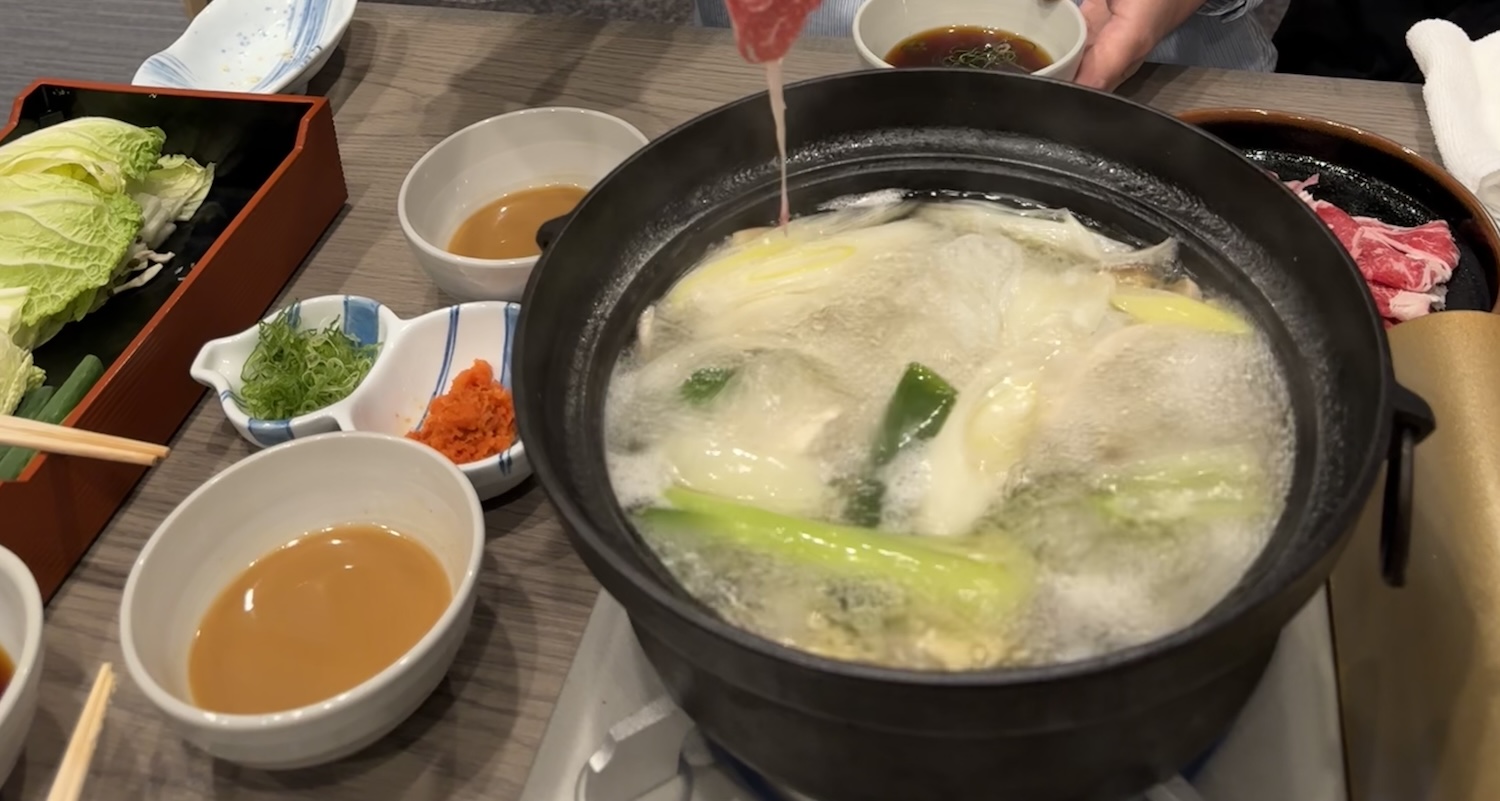
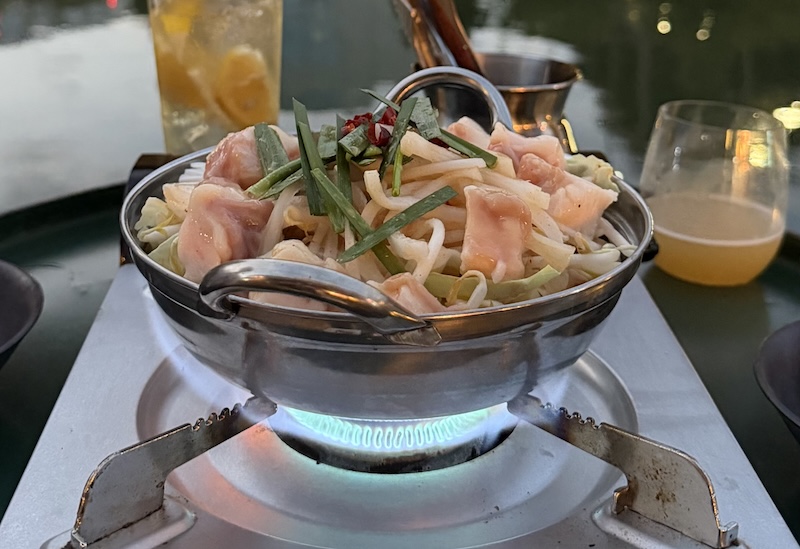
Hot pot dishes—nabe in its many forms—are the clearest expression of this. Whether it’s a simple soy-based pot, a miso-rich variation, or something built around seasonal vegetables and pork, nabe is designed to be eaten slowly, communally, and without ceremony. It’s food that assumes conversation, pauses, and refills, often stretching an evening longer than planned.
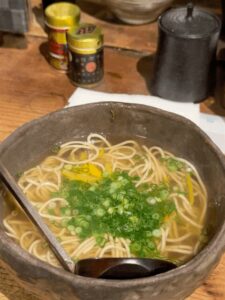
But the same impulse shows up just as clearly in ramen shops and noodle counters. A bowl of ramen, udon, or soba arrives hot enough to fog your glasses, meant to be eaten immediately while the broth is at its peak. These spaces are rarely private. You sit next to strangers, exchange brief nods, focus on the bowl, and leave warmed through—by the food more than the interaction.
In winter, even everyday noodle shops take on a different role. Hot udon with a light dashi, or soba in a darker broth, becomes less about the recipe and more about the act of stopping in, standing or sitting briefly, and rejoining the street with some warmth restored. It’s practical, unromantic, and deeply local.
What ties all of this together—hot pots, ramen, noodles—is not trendiness or technique, but shared experience without obligation. You eat together without needing to know each other. You warm up without making a night of it. And in Osaka, that balance between comfort and efficiency is exactly what eating like a local looks like in winter.
Where Oden Fits in Winter Life
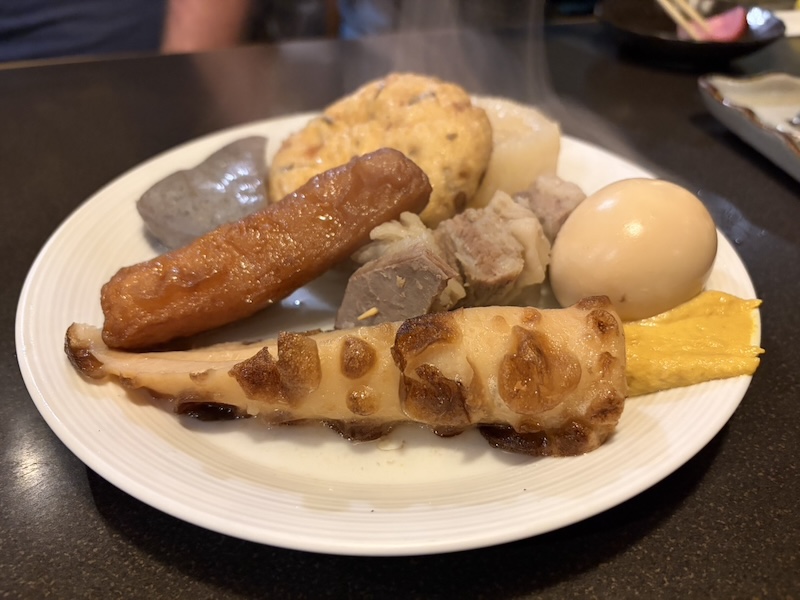
If oden is still simmering in February, it’s because late winter is where it feels most at home. Oden’s origins lie in practicality: inexpensive ingredients, slow cooking, and warmth without heaviness. It’s food meant to carry people through cold evenings, not to make a statement.
In Osaka, oden is rarely a destination meal. It’s something you ease into at a neighborhood izakaya or standing bar, often at a narrow counter. The broth is typically light and dashi-forward, allowing daikon, tofu, and eggs to absorb flavor gradually. You order a few items at a time, usually with a drink, and take things at an unhurried pace.
Place matters. Seating is close, interaction is minimal, and sharing space with strangers feels normal. Oden encourages lingering, but without ceremony or obligation.
That same practicality extends to convenience stores, where oden becomes part of everyday winter routines. It’s not treated as special, just dependable—hot, familiar, and easy to pick up on the way home. The fact that it appears everywhere, from small bars to corner shops, is part of why it remains so embedded in how Osaka eats in February.
Root Vegetables, Fish, and Winter Broth
Winter eating in Osaka leans heavily on ingredients that hold heat and flavor. Root vegetables—daikon, lotus root, taro—show up everywhere once temperatures drop, simmered slowly in broth or added to soups and hot pots where they absorb warmth as much as taste.
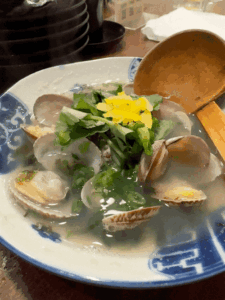
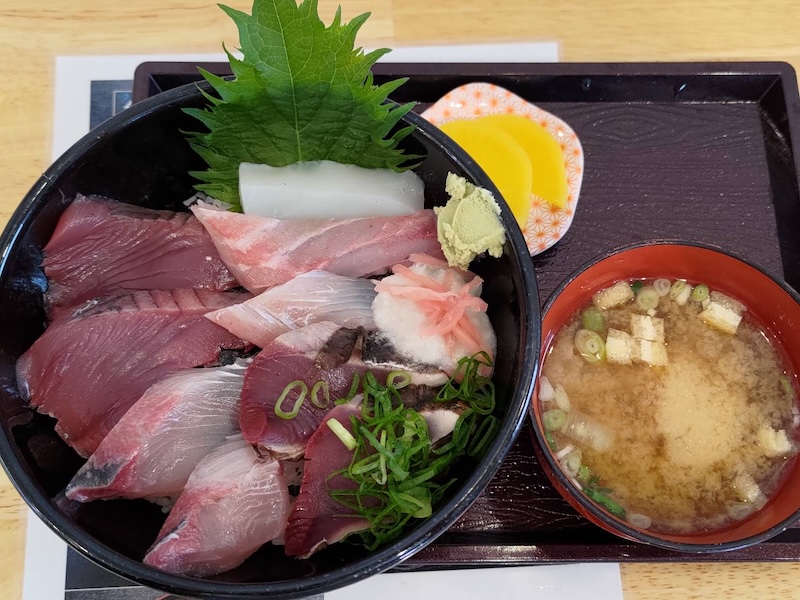
Fish plays a similar role. Rather than elaborate preparations, winter fish is often grilled simply, added to broths, or served in ways that emphasize freshness and comfort over presentation. Mackerel, yellowtail, and sardines appear frequently, especially in dishes meant to be eaten hot and without fuss.
What ties these foods together is how they’re used. They’re rarely centerpieces. Instead, they form the backbone of meals designed to warm you gradually—shared dishes, counterside bowls, or plates meant to be eaten alongside something else. In winter, Osaka cooking favors depth and practicality over contrast.
This approach shows up across the city, from small neighborhood shops to everyday eateries. It’s less about chasing seasonal specialties and more about relying on ingredients that make sense when the air is cold and meals need to be grounding.
Beans, Sweets, and Seasonal Balance
Beans carry a lot of quiet meaning in February. During Setsubun, roasted soybeans are eaten to mark age, health, and the transition into a new season. It’s a simple act, but one that reinforces the idea of balance—between what’s ending and what’s beginning.
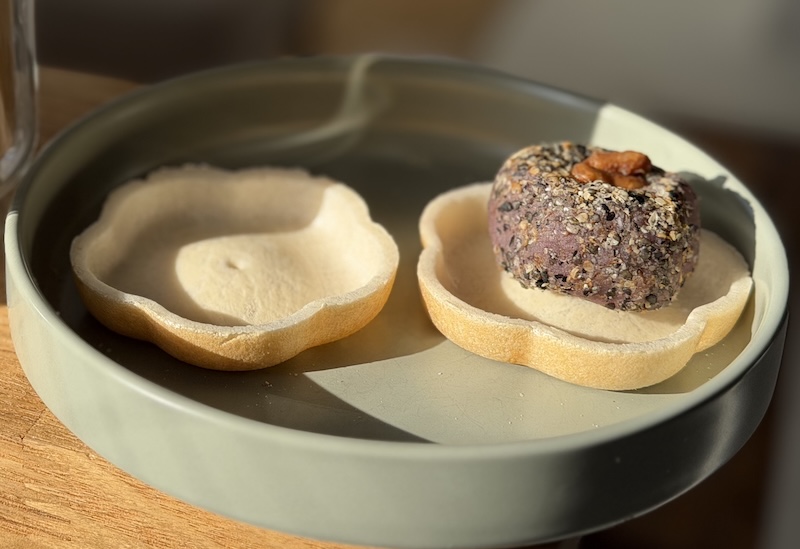
That same ingredient shows up in a very different form across the city in winter sweets. Red bean paste fills wagashi designed to be eaten slowly, often alongside tea, offering warmth without heaviness. These sweets aren’t flashy or overly sweet; they’re measured, restrained, and tied closely to the season.
What connects ritual beans and red bean sweets is moderation. February food in Osaka often avoids extremes, favoring flavors that feel steady rather than indulgent. You see this in how wagashi are sized, how sweetness is controlled, and how they’re treated as part of daily life rather than a special occasion.
Together, these uses of beans reflect a broader seasonal mindset. Whether eaten as part of a shrine observance or picked up from a neighborhood shop, they mark a moment of recalibration—food that acknowledges the season without trying to escape it.
Eating like a local in Osaka is less about seeking out specialties and more about following seasonal habits. In late winter, that means warm broths, simple ingredients, shared counters, and communal tables—foods and spaces that prioritize comfort and balance over spectacle.
February brings this everyday rhythm into focus. Meals are shaped by warmth and togetherness, offering visitors a chance to experience Osaka at its most routine and lived-in before spring shifts the city’s food culture again.
THE SCENE: FAQs
Neighborhood izakaya and oden shops are most commonly found near major commuter stations such as JR Osaka Station, JR Tennoji Station, and Namba Station.
Department store basement food halls (depachika) are concentrated around Umeda (JR Osaka / Hankyu Umeda / Hanshin Osaka‑Umeda) and Namba (Osaka Metro / Nankai Namba).
Shopping streets (shotengai) where late‑winter foods are easy to find include:
Tenjinbashi‑suji Shopping Street
Osaka Metro Sakaisuji Line → Tenjimbashisuji‑6‑chome Station
Kuromon Market area:
Osaka Metro Sennichimae Line → Nippombashi Station.
Late‑winter food culture typically runs from early February through March, gradually transitioning as spring vegetables and lighter dishes appear.
Look for handwritten menu cards and simmering pots — signs that seasonal dishes are still in rotation.
Cold evenings are ideal for oden and nabe; lunchtime favors set meals with grilled fish and vegetables.
No reservations are needed for most casual spots.
Contacts
Individual restaurants and markets manage their own menus; seasonal availability varies daily.
Photos: Osaka Scene Staff
Osaka Scene: GUIDES
Festival Guide