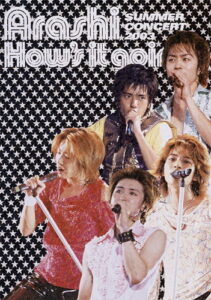
Arashi – The Final Storm
One last chorus for a generation.
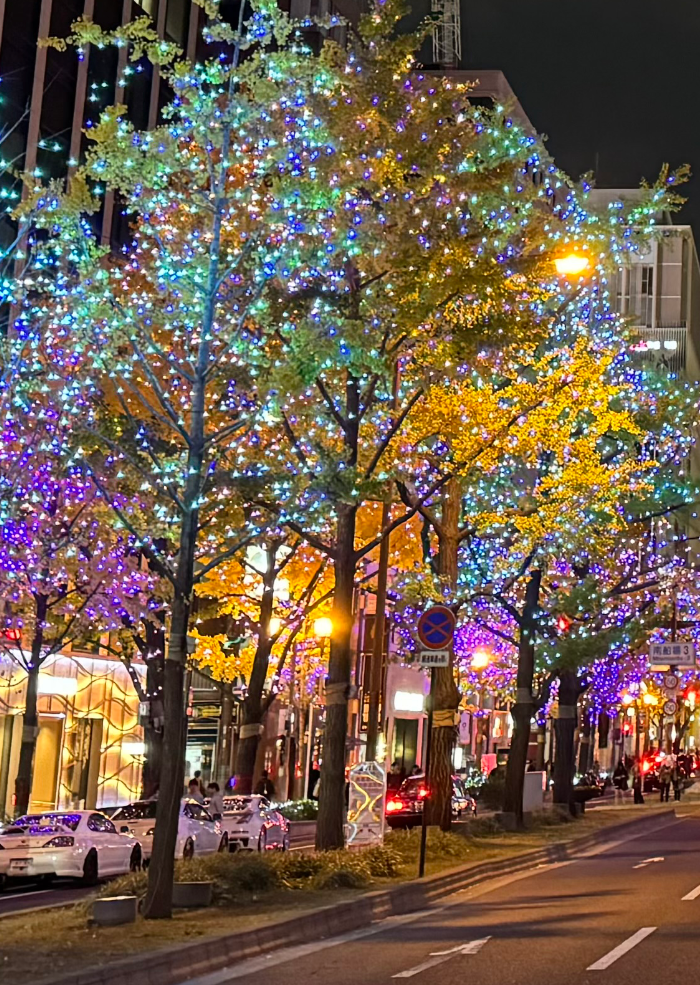
In May, you may start to notice it—on trains, in cafés, moving through the streets of Namba and Shinsaibashi. Matching tour T-shirts. Carefully carried uchiwa fans printed with familiar faces. Groups gathering with a quiet sense of purpose, heading in the same direction.
For many in Japan, the meaning is immediately clear. But for newer residents or visitors to Osaka, it can feel like a mystery unfolding in plain sight—something big, something shared, and something unmistakably important.
So what is all the excitement about—and why does it seem to take over the city? We break it down.
The Soundtrack of a Generation
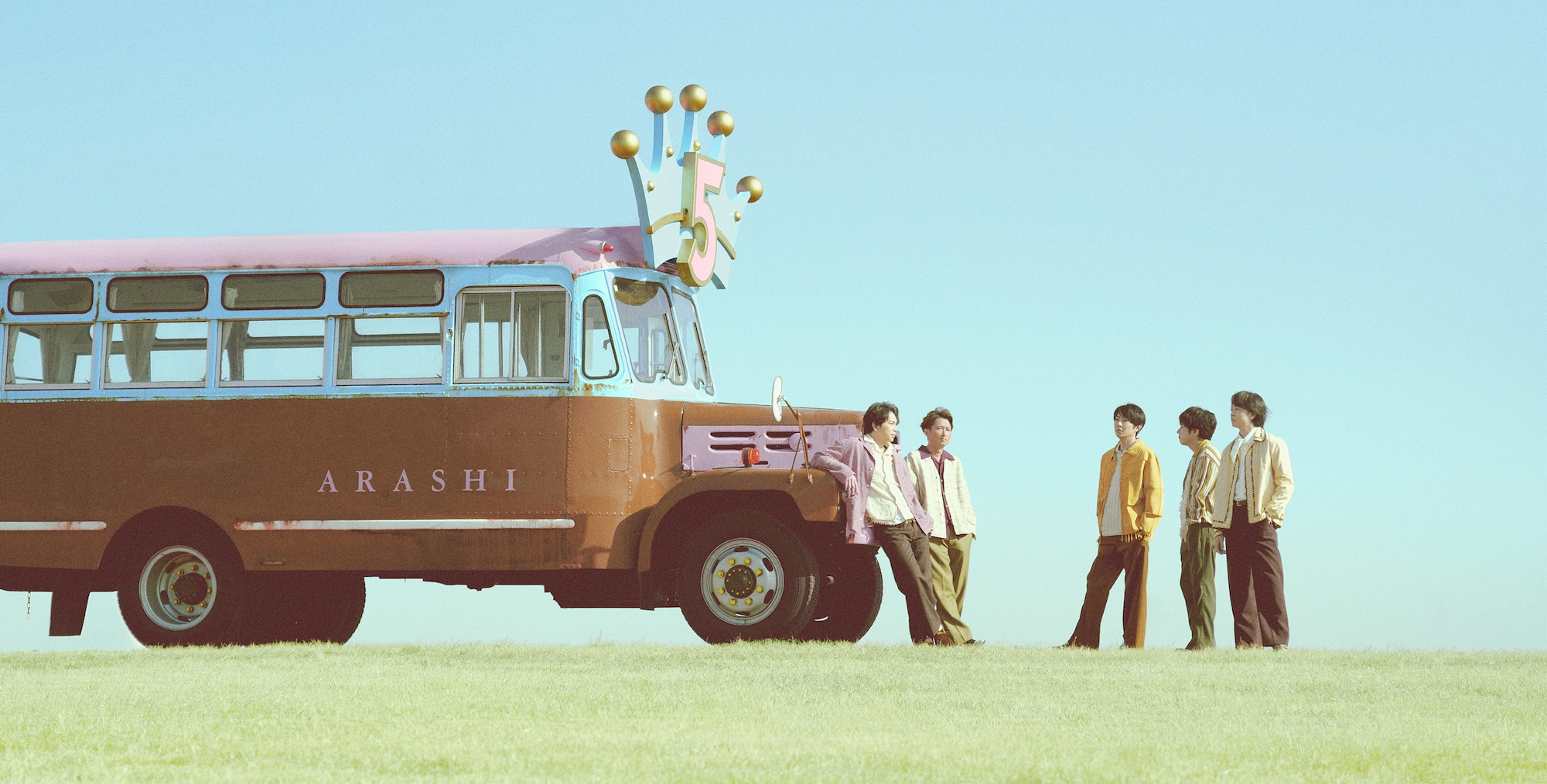
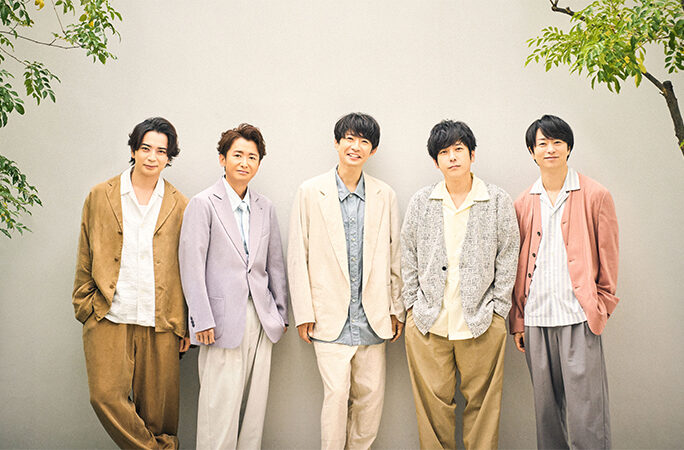
For more than two decades, Arashi has been woven into everyday life across Japan. Since debuting in 1999, the five-member group—Satoshi Ohno, Sho Sakurai, Masaki Aiba, Kazunari Ninomiya, and Jun Matsumoto—has become one of the most recognizable forces in Japanese pop culture, with record-breaking releases, nationwide television presence, and one of the country’s largest fan communities.
Now, that era is coming to a close.
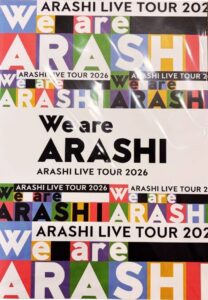
In 2026, Arashi reunites for ARASHI LIVE TOUR 2026 “We are ARASHI,” a nationwide dome tour that will run through Japan’s five major stadium venues before concluding at the end of May. The tour is widely understood to mark the group’s final large-scale performances, culminating in what is expected to be the closing chapter of their activities.
The Osaka stop—three nights at Kyocera Dome Osaka from May 15 to 17—stands as one of the most significant moments of the entire tour. With more than 50,000 seats per night and demand far exceeding capacity, the concerts are expected to draw over 150,000 attendees to the city, with total tour attendance reaching into the hundreds of thousands across Japan.
For Arashi fans, it is a rare final opportunity to experience one of Japan’s most influential pop groups together on stage—an event carrying the weight of more than twenty-five years of shared memory.
Where the Osaka Story Began
Long before dome tours and nationwide ticket lotteries, Arashi’s live story in Osaka began on a much smaller stage. In April 2000—just months after their debut—the group launched “ARASHI FIRST CONCERT 2000,” with official records confirming performances at Osaka-jō Hall and Yokohama Arena as part of their earliest tour.
At the time, Osaka-jō Hall, with a capacity of around 16,000, represented a major step for a newly debuted group still finding its identity on stage. Those early concerts introduced Arashi to Kansai audiences not as superstars, but as emerging performers building the foundation of what would become one of Japan’s most successful live acts.
The connection established in those first Osaka shows proved lasting. Official biographies show the group returning again to Osaka-jō Hall later in 2000 and during their first nationwide tour in 2001, reinforcing Osaka as one of the earliest and most consistent stops in their touring history. Over the following decades, that relationship expanded alongside their rise—from arena performances to full-scale dome productions.
Now, more than twenty-five years later, that journey comes full circle. Arashi returns to Osaka not as a rising act, but as one of the defining groups of their era—moving from the 16,000-seat Osaka-jō Hall to the more than 50,000-capacity Kyocera Dome Osaka for what is expected to be their final series of performances in the city.
Osaka Becomes the Center of the Storm
For three nights in mid-May, the farewell tour arrives at Kyocera Dome Osaka—one of western Japan’s largest indoor venues, with a capacity of up to 55,000 depending on stage configuration. Across the three performances, more than 150,000 fans are expected to gather in Osaka alone, contributing to a nationwide tour that will draw hundreds of thousands. According to reporting by The Japan Times, total attendance across all dates is projected to reach around 700,000, underscoring the scale of Arashi’s final run.
In the days leading up to the concerts, the atmosphere around the dome begins to shift. Trains arriving at Dome-mae and Dome-mae Chiyozaki stations gradually fill with fans dressed in each member’s signature color, carrying uchiwa fans, light sticks, and carefully preserved memorabilia from earlier tours. Outside the stadium, groups begin gathering hours before doors open—not just for the show itself, but to share the experience with other fans who have followed the group for years.
That experience now extends beyond the performance. Official merchandise for the tour is handled through a reservation-based entry system, with designated time slots required to access sales areas. Notably, merchandise access is not limited to ticket holders—fans without concert tickets can also apply for entry to purchase goods, turning the area around Kyocera Dome into a destination in its own right during the concert period.
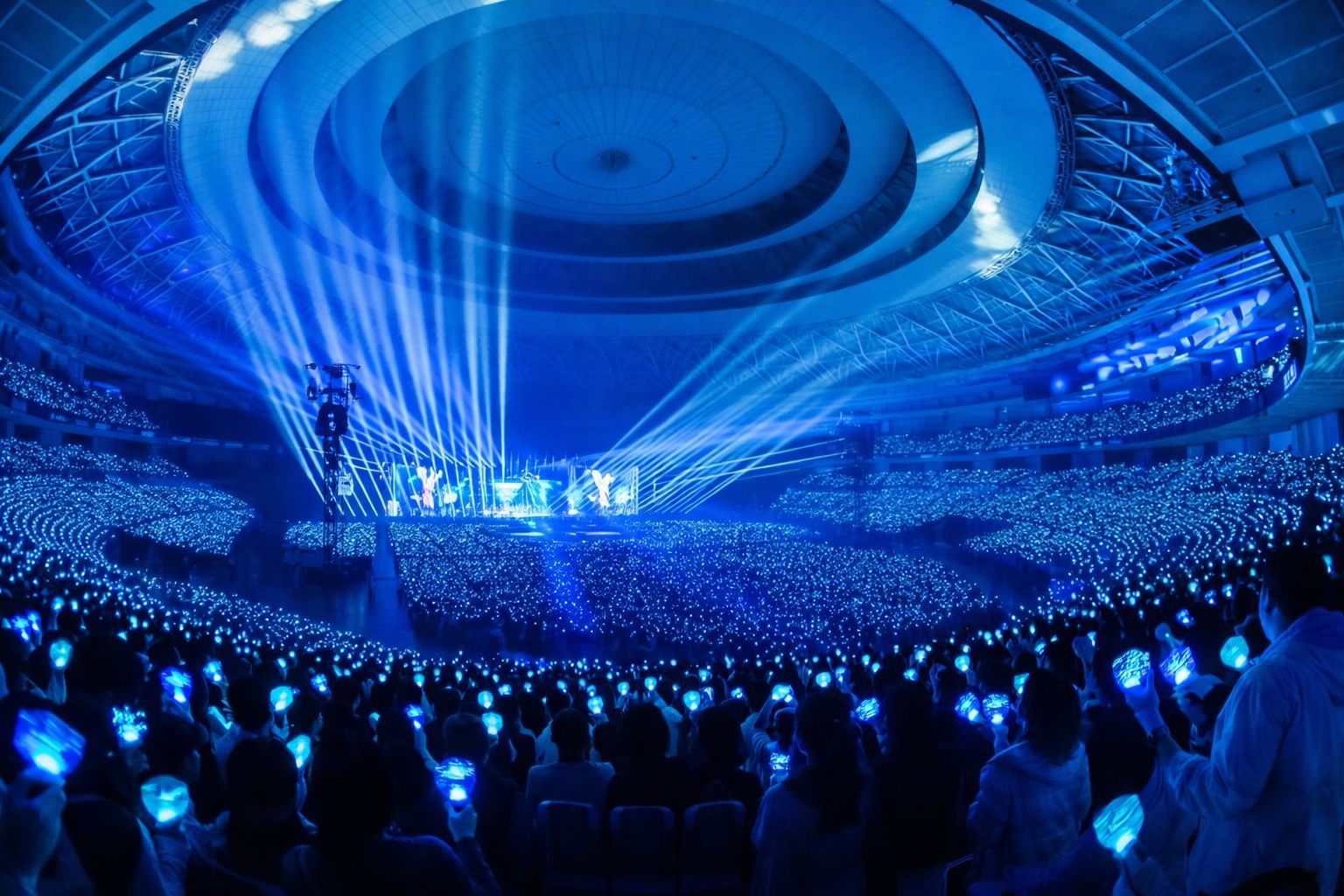
Inside the venue, the scale of the production is matched by increasingly integrated audience participation. The tour incorporates the official “ARASHI Light” penlight system, with seat-based synchronization managed through the LiveApp+ platform, allowing the entire dome to become part of the visual performance. While full production details remain closely guarded ahead of opening night, the technical setup reflects the group’s long-standing reputation for large-scale, immersive stadium shows.
For Osaka, the result is not confined to the arena itself. The neighborhoods surrounding Kyocera Dome—stretching toward Namba and Shinsaibashi—begin to feel the impact as hotels fill, restaurants extend wait times, and entire streets take on the rhythm of the event. Even those without tickets often make the trip, gathering outside the dome for photos, meetups, and merchandise, transforming the area into a temporary hub of shared celebration.
Five Colors, One Crowd
Hours before doors open at Kyocera Dome Osaka, the surrounding streets begin to transform. Subway platforms at Dome-mae and Dome-mae Chiyozaki fill with fans dressed in carefully coordinated outfits, many wearing or carrying items in their favorite member’s signature color—blue for Satoshi Ohno, red for Sho Sakurai, green for Masaki Aiba, yellow for Kazunari Ninomiya, and purple for Jun Matsumoto—turning the flow of commuters into something closer to a moving fan gathering. Among longtime fans, these colors aren’t just visual cues but identities, often tied to nicknames and loyalties that have carried across years of performances.
By the time the crowds emerge onto the wide plaza outside the dome, the space has shifted into a temporary community hub. Groups pose for photos with uchiwa fans held just so, comparing collections built over years of tours. Others arrive early for reserved merchandise entry slots, while some simply linger, taking in the atmosphere and documenting the moment. For many, the time outside the venue is as meaningful as the performance itself.
These gatherings follow a familiar rhythm for longtime fans. Matching outfits are planned in advance, often coordinated within friend groups. Photo spots around the dome become unofficial landmarks, revisited across tours and shared across social media. Even small details—how a fan holds a banner, how a group arranges their light sticks—reflect a shared visual language that has developed over decades of Arashi concerts.
As the day moves toward showtime, that energy spreads outward. Cafés and restaurants in nearby neighborhoods fill with pre-show conversations about past tours, favorite songs, and what this final run might bring. On Arashi weekends, the experience extends beyond the stadium itself, turning the entire area into a living archive of fan memory—one that exists as much in the streets outside as it does inside the dome.
A Concert Spectacle Years in the Making
Arashi’s live performances have long been defined by their scale and precision. Over the years, the group helped set the standard for dome tours in Japan, combining large-scale staging with tightly coordinated visual production designed to reach every seat in the venue. Moving platforms, full-arena lighting effects, and synchronized audience participation have been consistent elements of their shows, transforming concerts into fully immersive experiences.
That approach continues with ARASHI LIVE TOUR 2026 “We are ARASHI.” While specific staging details for the final tour have not been publicly released in advance, official information confirms the integration of the “ARASHI Light” system—an audience-wide lighting experience controlled through seat-based synchronization using the LiveApp+ platform. The result is a performance environment where the entire dome becomes part of the visual design, extending the show beyond the stage itself.
This emphasis on shared experience has always been central to Arashi’s concerts. Rather than focusing solely on spectacle, their live productions are built around connection—between performers and audience, and among fans themselves. In a venue the size of Kyocera Dome Osaka, that design allows tens of thousands of people to participate in a single, coordinated moment.
As the final tour unfolds, that balance of scale and intimacy becomes even more significant. Without relying on unannounced details or setlist speculation, what can be said with certainty is that the Osaka performances will carry the accumulated weight of more than two decades of live innovation—brought together for one last series of shows.

The Lottery that Shook the Fan Base
Demand for Arashi’s farewell tour has reached a scale rarely seen in Japan’s live music industry. Tickets for ARASHI LIVE TOUR 2026 “We are ARASHI” were distributed primarily through the official Family Club lottery system, with applications far exceeding available seats.
For the Osaka shows at Kyocera Dome, tickets were effectively allocated months in advance. With a capacity of around 50,000 to 55,000 per night, the venue cannot meet demand for a tour of this scale. Nationwide, attendance is projected to reach into the hundreds of thousands, with The Japan Times estimating around 700,000 across all dates.
For international visitors, access is especially limited, as ticketing is tied largely to Japan-based fan-club membership. While entry policies may include identity checks, many fans without tickets still travel to the venue—taking part in merchandise sales and gathering outside the dome, where the atmosphere becomes part of the experience.
The Osaka performances form part of a final run across Japan’s five major dome venues—Sapporo, Nagoya, Fukuoka, Osaka, and Tokyo—bringing the tour to a close at the end of May. With activities expected to conclude following the final Tokyo dates, the concerts mark the last large-scale opportunity for fans to see Arashi together on stage.
For Osaka, the three-night run at Kyocera Dome is likely to stand as one of the city’s defining live events of 2026. More than a series of concerts, it becomes a shared moment—tens of thousands of voices moving in sync, carrying songs that have followed fans through school, work, and major life milestones.
More than twenty-five years after their earliest performances at Osaka-jō Hall, Arashi returns to the city for one final series of shows under the roof of Kyocera Dome Osaka. It is a rare full-circle moment in Japanese pop history—one that will remain long after the final encore fades.
THE SCENE: FAQs
Venue: Kyocera Dome Osaka
Address: 1-1-43 Chiyozaki, Nishi-ku, Osaka 550-0023
Nearest Stations:
Hanshin Namba Line → Dome-mae Station (Exit 1), approximately 3 minutes walk
Osaka Metro Nagahori Tsurumi-ryokuchi Line → Dome-mae Chiyozaki Station (Exit 2), approximately 3 minutes walk
Osaka Metro Chūō Line → Kujo Station (Exit 2), approximately 10 minutes walk
Directions:
From central Osaka (Namba or Shinsaibashi), the easiest route is via the Hanshin Namba Line or Osaka Metro connections to Dome-mae or Dome-mae Chiyozaki. Follow station signage for Kyocera Dome Osaka exits—crowds on concert days will naturally guide the flow.
Concert Dates and Times:
-
Friday, May 15, 2026 — Show starts 18:00
-
Saturday, May 16, 2026 — Show starts 18:00
-
Sunday, May 17, 2026 — Show starts 16:00
Doors Open:
Doors are typically scheduled to open approximately 2 hours before showtime:
-
May 15 & 16 — around 16:00
-
May 17 — around 14:00
Merchandise Hours:
Official merchandise operates on a reservation-based entry system with assigned time slots throughout the day. Entry times vary and must be secured in advance through the official system.
Pre-Show Atmosphere:
Fans begin gathering several hours before doors open, especially around merchandise areas and plaza photo spots.
Ticket System:
Tickets for ARASHI LIVE TOUR 2026 “We are ARASHI” are distributed primarily through the official Family Club (fan-club) lottery system.
Ticket Price:
-
¥12,000 (tax included, official fan-club ticket)
Availability:
-
Tickets for Osaka dates were allocated through multiple lottery rounds in early 2026
-
Demand significantly exceeds available seats
-
General public sales are not widely available or confirmed
Entry Requirements:
-
Attendees may be required to present identification matching the ticket registration
-
Fan-club membership credentials may be required for verification
-
Entry policies can vary by event and should be followed carefully on the day
For International Visitors:
-
Access is extremely limited without participation in the Japanese fan-club system
-
Tickets are generally not available through typical international ticketing platforms
-
Planning ahead through official channels is essential
Arrival Timing:
Arrive early—security checks, merchandise access, and large crowds can significantly increase entry time.
Crowds:
Expect extremely high congestion around Kyocera Dome Osaka before and after each performance, especially at Dome-mae and Dome-mae Chiyozaki stations.
Hotels & Nearby Areas:
Accommodation in Namba, Shinsaibashi, and surrounding areas may be heavily booked during concert dates.
Photography & Recording:
Photography, video recording, and audio recording during the performance are typically prohibited.
Weather Considerations:
Although the concert is indoors, merchandise areas and pre-show gatherings take place outside. Plan for weather conditions accordingly.
For Non-Ticket Visitors:
Even without a ticket, visiting the dome area can be worthwhile for merchandise, photos, and fan gatherings—but expect heavy crowds and limited space.
CONTACTS
Official Organizer / Information Source:
STARTO Entertainment
https://starto.jp
Official Artist Instagram:
https://www.instagram.com/arashi_5_official/
Merchandise Access:
-
Entry to merchandise areas requires a reservation slot
-
Reservations must be made in advance via official channels
Non-Ticket Holders:
-
Fans without concert tickets can apply for merchandise access
-
This allows participation in the event atmosphere even without entry to the show
Post-Event Sales:
-
Official online merchandise sales are scheduled after the tour
-
These are open to a wider audience, including those who did not attend
ARASHI Light System:
-
Official penlights are used as part of the concert production
-
Lighting effects are synchronized across the venue using the LiveApp+ system
-
Seat registration may be required for full participation
VIDEO
Photos: Osaka Scene Staff
Also read:
Osaka Scene: GUIDES
Festival Guide