Why Japan's second-largest city feels like one of the world's best places to call home.
For the second consecutive year, Osaka has been recognized as Asia's most livable city by the Economist Intelligence Unit. But beyond the ranking lies a city that quietly enriches everyday life through its neighborhoods, seasons, food, and community.
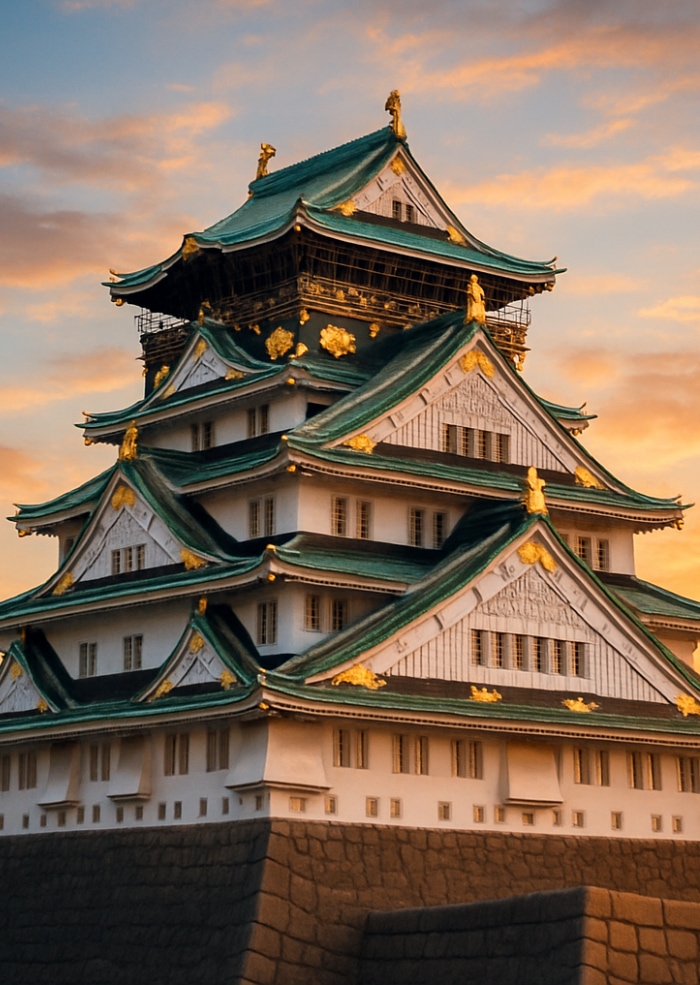
While rankings come and go, anyone who has spent time in Osaka knows the city’s appeal can’t be measured by numbers alone. It’s found in the quiet confidence of everyday life—a city where trains arrive on time, neighborhoods remain deeply connected, exceptional food is part of the daily routine, and centuries-old traditions continue alongside ambitious new development.
Visitors often arrive expecting dazzling entertainment districts, neon lights, and legendary street food. They leave talking about something less obvious: how remarkably easy Osaka is to navigate, explore, and simply enjoy. Within a few days, one of Japan’s largest metropolitan areas begins to feel surprisingly familiar. Stations are intuitive, neighborhoods are walkable, and every district reveals a different side of the city while remaining effortlessly connected to the next.
The Economist Intelligence Unit evaluates 173 cities across five categories: stability, healthcare, culture and environment, education, and infrastructure. Osaka consistently excels in each, but statistics alone cannot explain why so many visitors return, international residents choose to stay, or locals proudly call it home.
A City That Simply Works
One of Osaka’s greatest luxuries isn’t something you can buy—it’s time.
Infrastructure is one of the five categories evaluated by the Economist Intelligence Unit’s Global Liveability Index, measuring how efficiently a city supports everyday life. In Osaka, it’s a strength people experience every day.
Daily life unfolds with remarkable ease. Trains and subways arrive every few minutes, stations connect seamlessly across multiple rail networks, and reaching almost anywhere in the city is surprisingly straightforward. Whether commuting to work, meeting friends for dinner, or exploring a neighborhood you’ve never visited before, getting there rarely requires much thought.
Convenience extends well beyond transportation. Supermarkets, convenience stores, pharmacies, cafés, bakeries, banks, and neighborhood restaurants are woven into nearly every community, making everyday errands quick and effortless.
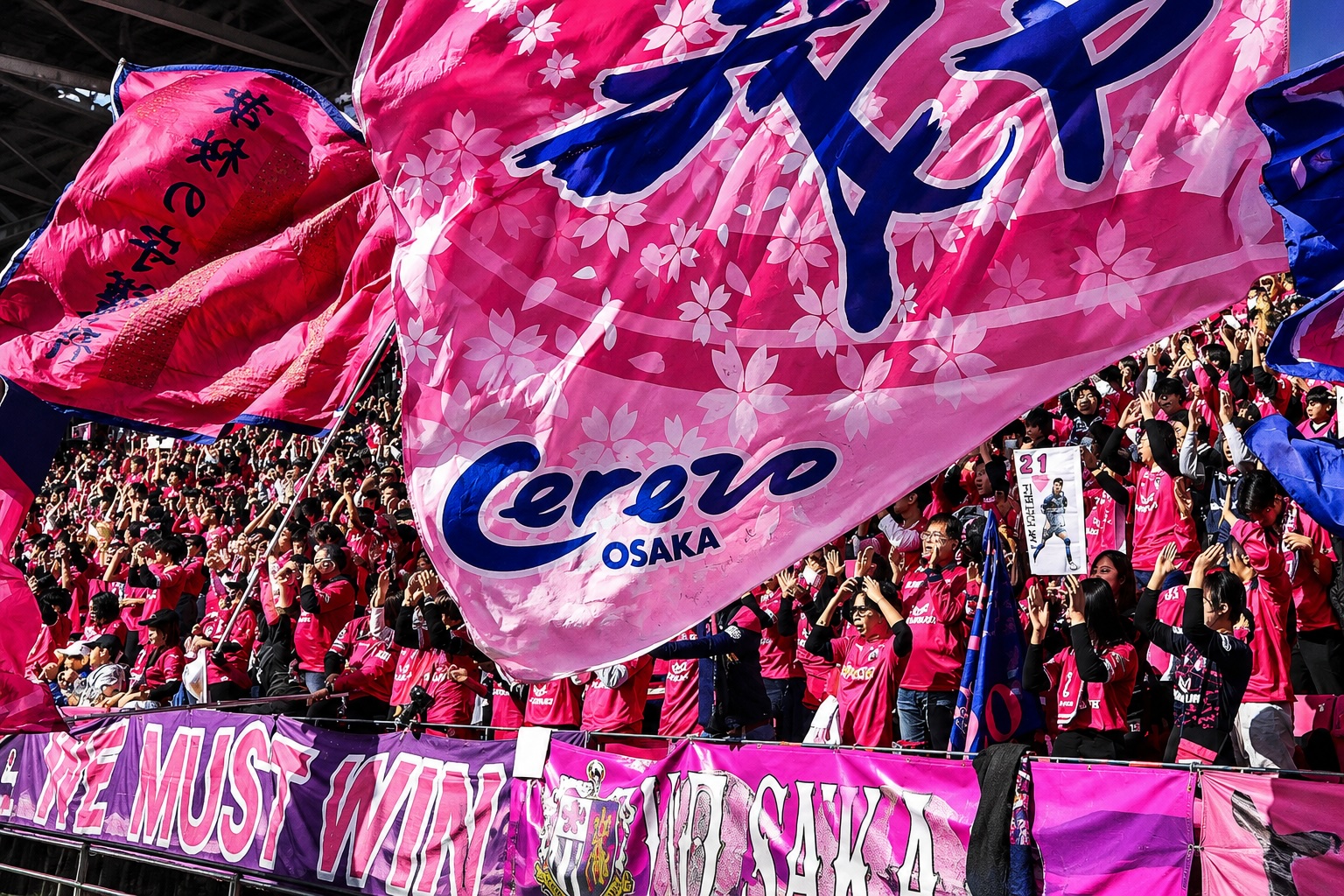
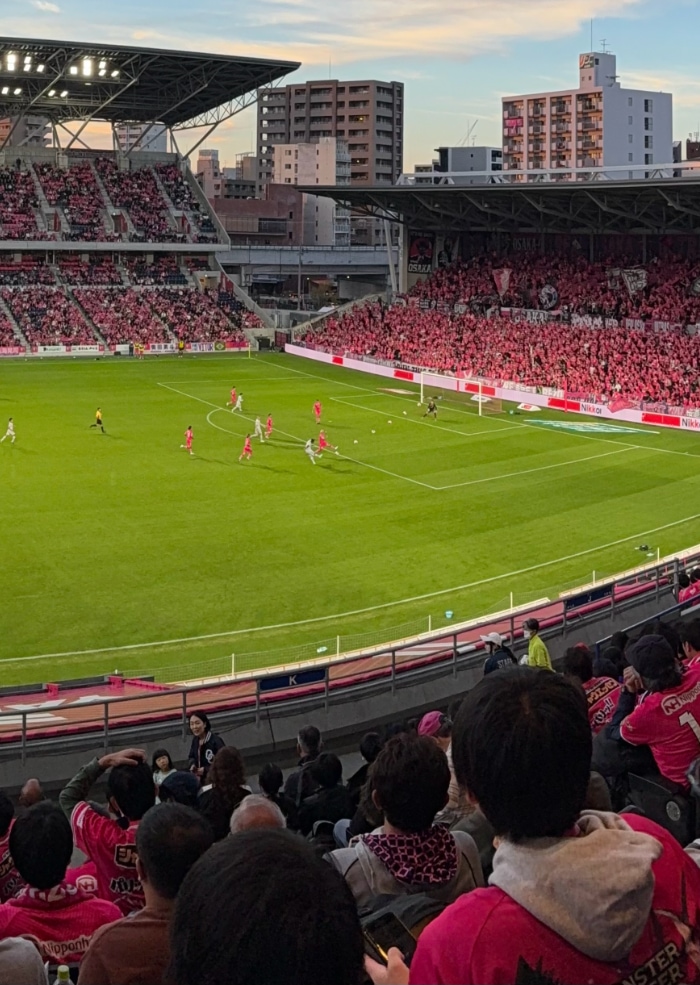
That efficiency quietly changes how people spend their time. Instead of sitting in traffic or planning around long commutes, residents enjoy a walk through the park, dinner with friends after a baseball game, or an impromptu stop at a neighborhood festival. Visitors notice it too. It doesn’t take long before navigating Osaka feels almost instinctive, giving them the confidence to wander knowing the next train—or the way home—is never far away.
A City That Feels Like Home
Culture and environment account for a quarter of the Economist Intelligence Unit’s Global Liveability Index, recognizing not only cultural opportunities but also the quality of everyday urban life. Few cities balance both as naturally as Osaka.
At the heart of a metropolitan region of nearly 19 million people, Osaka rarely feels overwhelming. Each neighborhood has its own personality, giving the city a collection of distinct communities rather than one endless urban landscape.
Umeda is a modern hub of glass towers, department stores, and some of Japan’s busiest railway stations. A few stops away, Namba buzzes with theaters, nightlife, and the energy that has defined Minami for generations. In Nakazakicho, narrow lanes lined with renovated wooden houses are home to independent cafés, galleries, and boutiques, while Fukushima has become one of Osaka’s favorite neighborhoods for dining and evening strolls.
Even quieter districts offer something different. Sumiyoshi centers around one of Japan’s oldest shrines, while Shinsekai proudly embraces its nostalgic character alongside a growing wave of new cafés, restaurants, and creative spaces.
Perhaps that’s Osaka’s secret. Every neighborhood feels like a place to discover rather than simply pass through. Together they create a city large enough to offer endless variety, yet familiar enough that before long, you’ll find yourself returning to favorite cafés, greeting familiar faces, and feeling less like a visitor than part of the neighborhood.
A City That Cares for Its People
Some of Osaka’s greatest strengths are the ones you hardly notice.
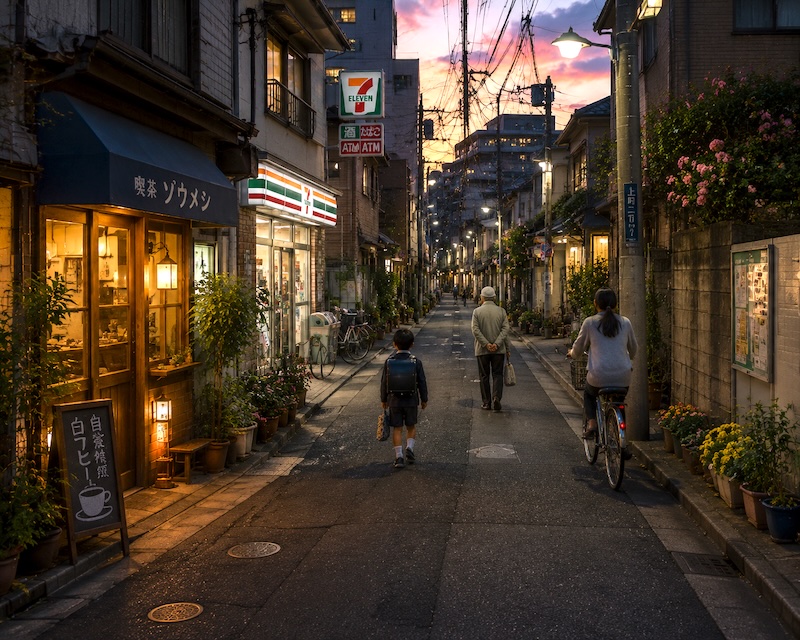
It’s easy to take safety for granted until you experience a city where it quietly shapes everyday life. Children ride trains to school on their own. Office workers comfortably walk home late into the evening. Parks, shopping streets, and riverside promenades remain lively long after sunset, creating an atmosphere that feels welcoming rather than intimidating.
Ironically, Osaka has long carried a reputation within Japan as one of the country’s rougher big cities. Yet many international visitors often find that perception difficult to reconcile with reality. What some locals describe as “rough” is less about personal safety than Osaka’s famously outspoken, down-to-earth personality.
That same spirit may also be one of the city’s greatest strengths. People here are quick to strike up a conversation, offer directions, or lend a hand when someone needs help. Shop owners know their regular customers, neighbors greet one another, and communities remain closely connected. Even when a child rides the train to school alone, they’re never truly alone—they’re surrounded by a carriage full of people who instinctively notice if something isn’t right.
That sense of security isn’t simply the result of low crime. It’s built on clean public spaces, well-maintained neighborhoods, a visible network of neighborhood police boxes (koban), and a culture where people look after not only the places they share, but each other as well. It’s one of the reasons Osaka scores so highly in the Stability category of the Economist Intelligence Unit’s Global Liveability Index.
For visitors, that confidence is liberating. Osaka quietly encourages people to experience more of the city—and another reason so many leave wishing they had just one more day.
A City That Celebrates Every Season
Life in Osaka isn’t measured only by the calendar—it’s measured by the seasons. Osaka doesn’t simply have four seasons. It has four personalities.
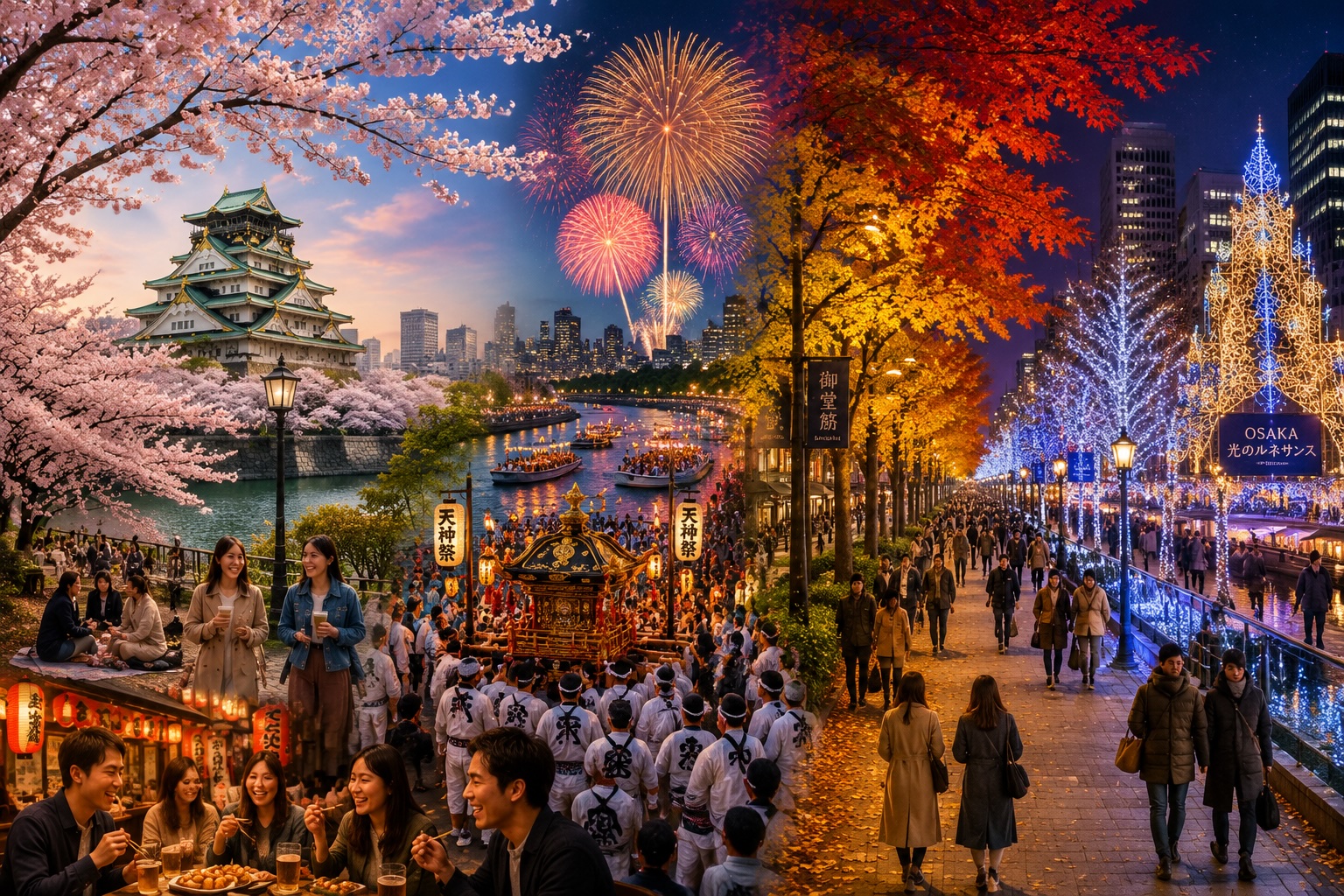
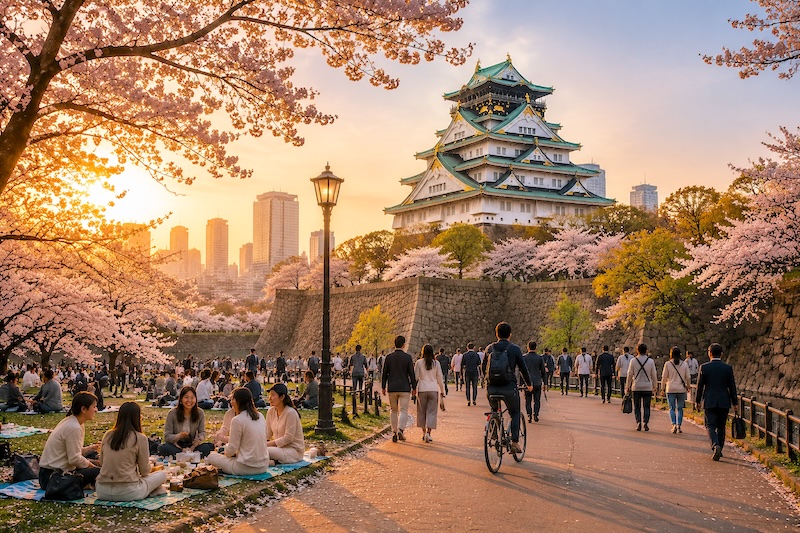
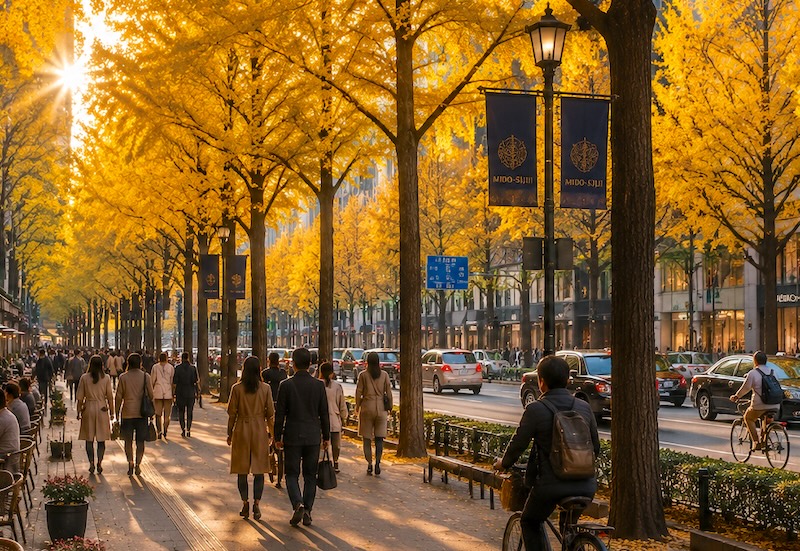
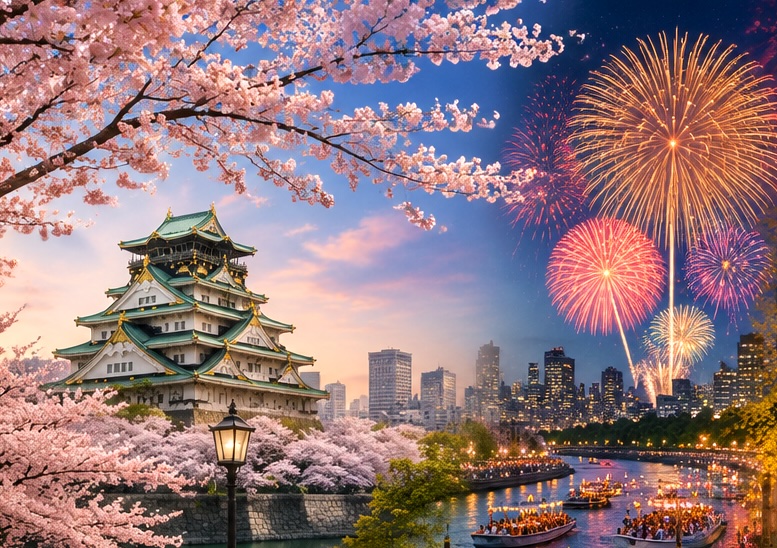
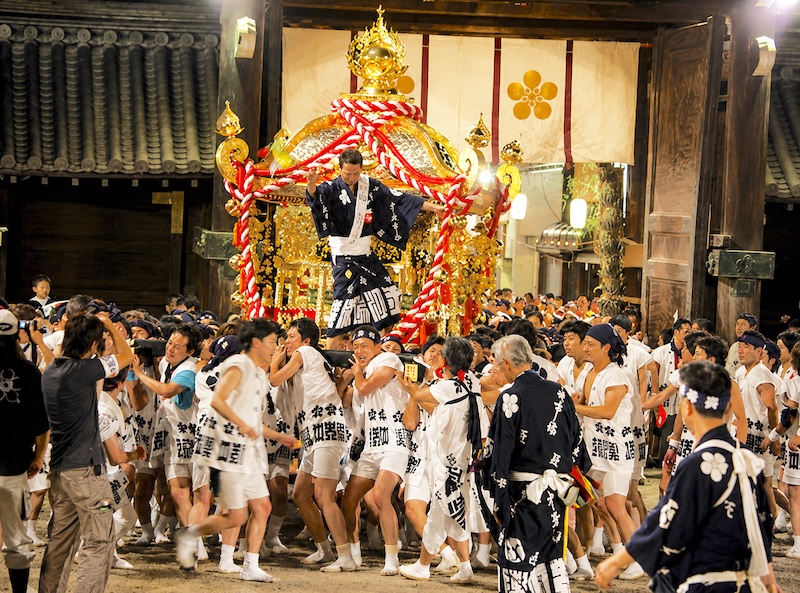
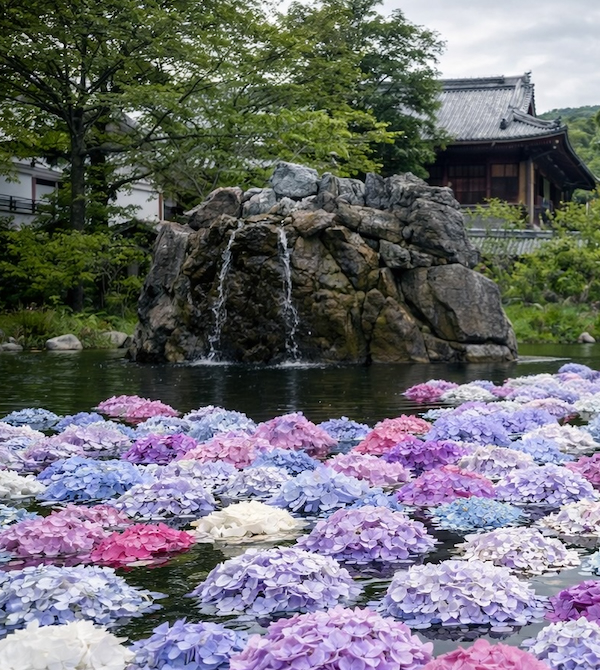
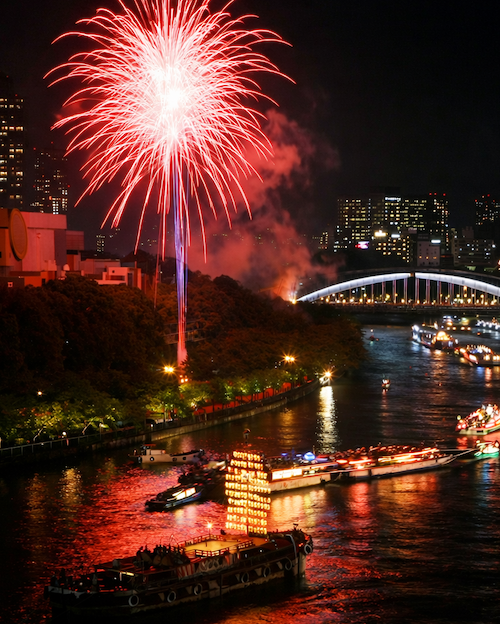
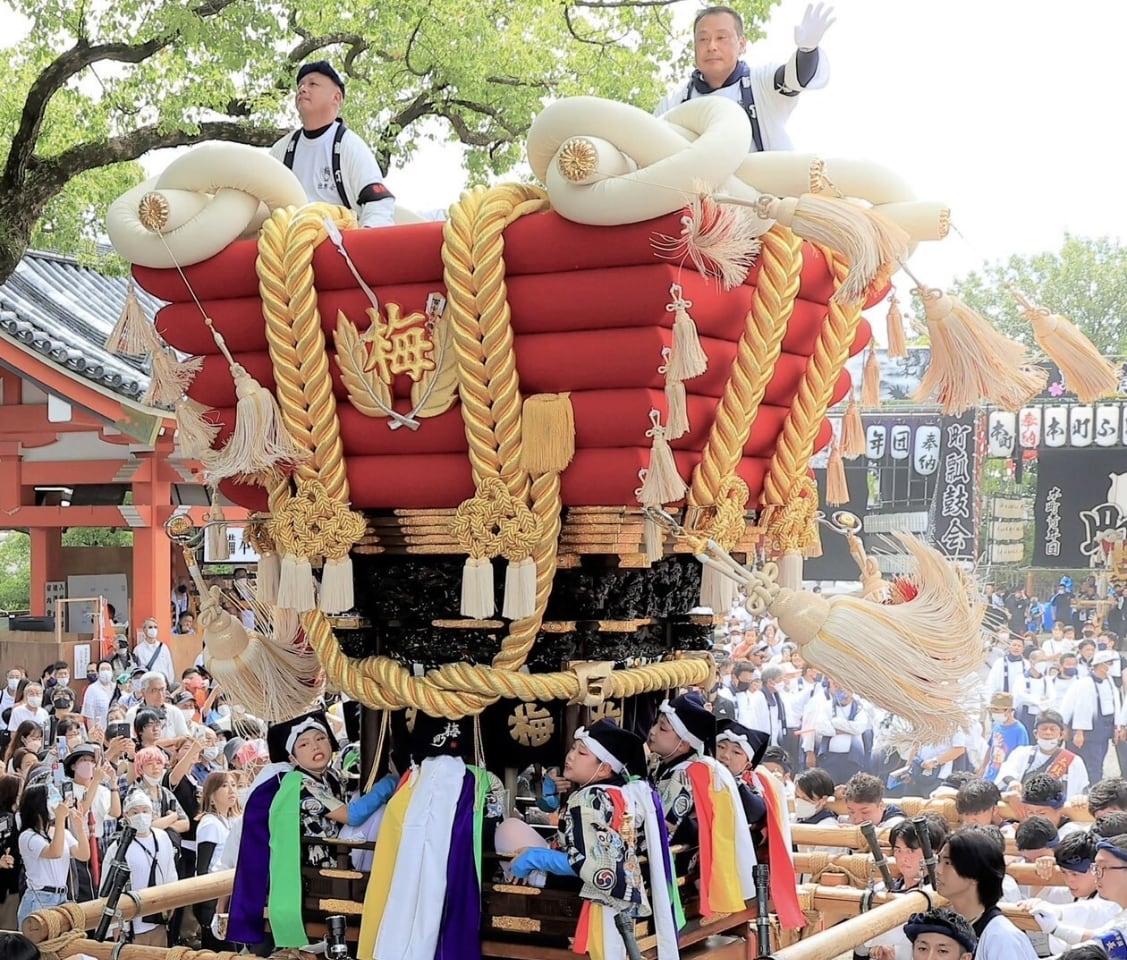
Spring arrives beneath clouds of cherry blossoms that transform parks, riversides, and neighborhood streets into gathering places for hanami picnics and evening strolls. Summer bursts with shrine festivals, taiko drums, fireworks, beer gardens, baseball, and nights that seem to last forever. Autumn brings crisp air, brilliant maple leaves, seasonal flavors, and festivals celebrating both tradition and creativity. Winter wraps the city in dazzling illuminations, Christmas markets, steaming bowls of ramen, and the anticipation of a new year at Osaka’s shrines and temples.
The changing seasons do more than transform the scenery—they transform the way people experience the city. Every few months, Osaka offers another reason to explore a different neighborhood, join a local celebration, or discover a new favorite tradition.
It’s one of the reasons Culture & Environment accounts for a quarter of the Economist Intelligence Unit’s Global Liveability Index. In Osaka, culture isn’t something reserved for weekends or special occasions—it’s woven into everyday life, with the city constantly reinventing itself through the rhythm of the seasons.
A City That Loves to Eat
In Osaka, great food isn’t reserved for special occasions—it’s simply part of everyday life.
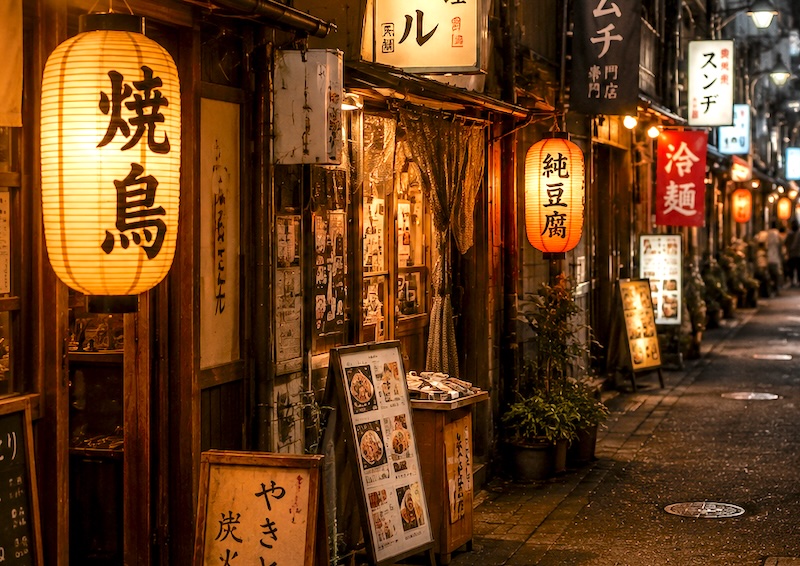
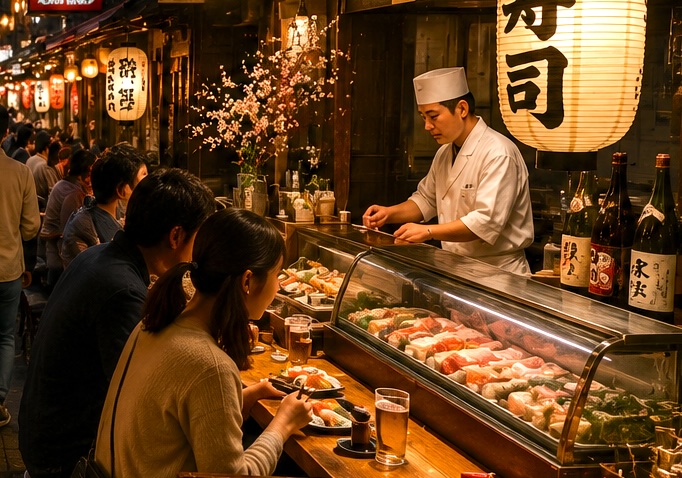
For centuries, Osaka has been known as “Japan’s Kitchen,” a city where merchants, chefs, and home cooks have shaped one of the country’s richest culinary traditions. Today, that legacy lives on everywhere, from family-run noodle shops and neighborhood izakaya to Michelin-starred restaurants and bustling market stalls.
The city’s famous saying, kuidaore—”eat until you drop”—captures more than an enthusiasm for good food. It reflects a culture that celebrates gathering around the table, trying something new, and taking pride in doing simple dishes exceptionally well. Whether it’s sizzling takoyaki on a busy street corner, perfectly grilled kushikatsu shared with friends, fresh sushi at the market, or an unforgettable kaiseki dinner, great meals are never far away.
Like the city itself, Osaka’s cuisine changes with the seasons. Spring brings delicate bamboo shoots and sea bream, summer celebrates eel and refreshing cold noodles, autumn fills menus with mushrooms and chestnuts, and winter welcomes steaming hot pots, hearty oden, and rich crab dishes. Returning to the same restaurant months later often means discovering an entirely new menu.
Exceptional food also remains remarkably accessible. Some of the city’s most memorable meals cost little more than a train ticket, while world-class dining sits comfortably alongside neighborhood favorites that have served generations of loyal customers. It’s one of the reasons eating out in Osaka feels less like a luxury and more like a way of life.
Perhaps Osaka’s greatest achievement is that it doesn’t simply make life easier—it makes life richer. You walk more because everything feels within reach. You explore more because there’s always something happening. You spend more time outdoors, discover neighborhoods you never planned to visit, and before long, find yourself greeting familiar shop owners and making friends along the way. Somewhere between the daily commute, the weekend festival, and the late-night bowl of ramen, Osaka has quietly changed your routine—and perhaps even your perspective.
That’s something no livability index can measure. Yet it may be the very reason Osaka continues to earn its place among the world’s best cities—and why so many people who come here find themselves wanting to stay.