September doesn’t need much time to warm up, so let’s jump right in.
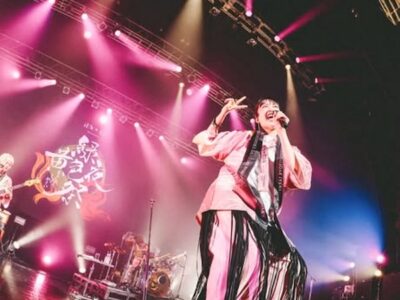
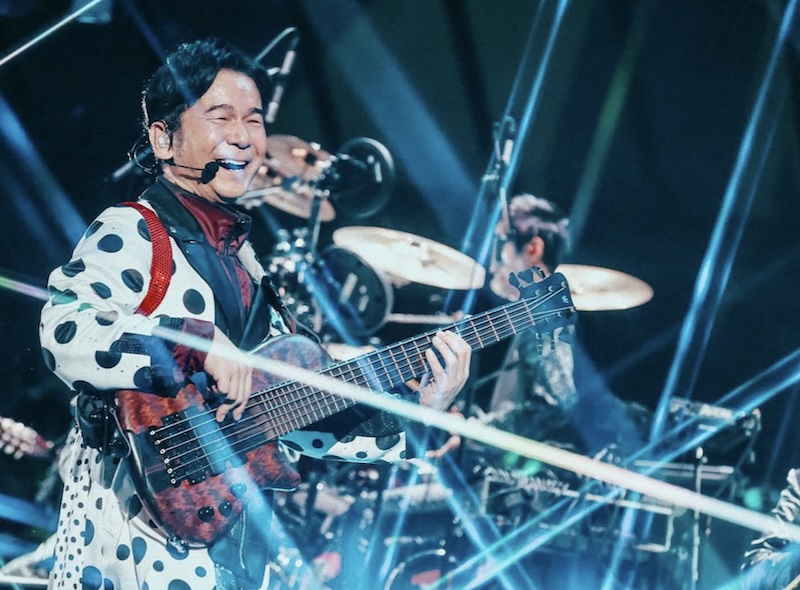
JUJU gets things started at Festival Hall on September 3–4, bringing the sophisticated mix of jazz, R&B and pop that has made her one of Japan’s most distinctive vocalists.
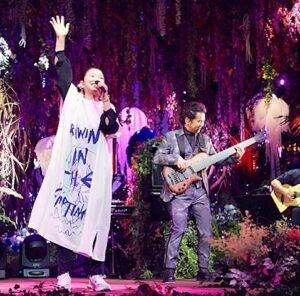
Then Japanese pop royalty arrives when DREAMS COME TRUE takes over Osaka-jō Hall September 5–6. More than three decades after becoming one of the defining names in J-pop, Miwa Yoshida’s unmistakable voice remains at the center of a live act capable of filling arenas across Japan.
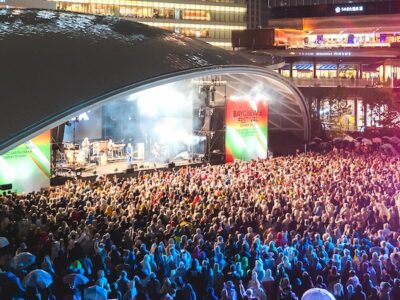
But Sonic September isn’t only happening under arena lights. On September 5, head into Amerikamura and the soundtrack changes completely. BAYSKA JAPAN packs BIGCAT with SKA FREAKS, THE GELUGUGU and a horn-heavy lineup built for considerably more bouncing than sitting.
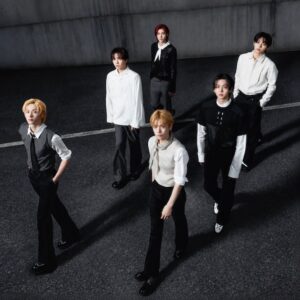
Four days later, Osaka-jō Hall changes generations and countries. BOYNEXTDOOR arrives September 9–10. The six-member K-pop group has moved rapidly from its 2023 debut to major international stages, bringing the youthful, approachable pop sound that helped turn the group into one of its generation’s breakout acts.
In less than ten days, Osaka has already moved from jazz and J-pop to underground ska and K-pop. And September is just getting started.
By mid-month, Osaka’s music calendar keeps jumping genres almost as quickly as it jumps venues.

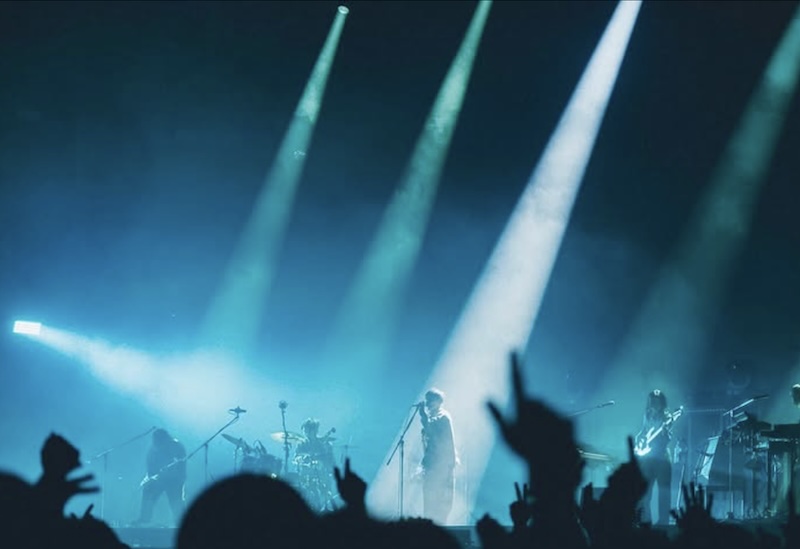
Sakanaction takes over Osaka-jō Hall September 12–13. Led by Ichiro Yamaguchi, the band has spent two decades erasing the line between rock and electronic music, building immersive live shows around pulsing rhythms, intricate production and songs that can move from introspective to enormous without much warning.
Then Osaka’s live houses take over the story. Gorilla Hall’s September calendar reads almost like a miniature festival stretched across the month.
On September 14, American ska-punk originals Fishbone arrive in Osaka. Yes, Fishbone. Their glorious collision of ska, punk, funk, soul and rock has refused neat categorization since the 1980s.
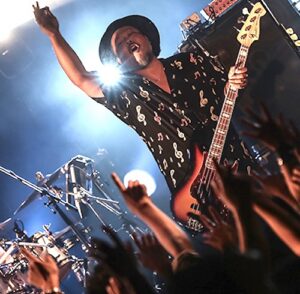
Three nights later, the same room welcomes The Damned, survivors of Britain’s original 1970s punk explosion. MONGOL800 and Su-xing-cyu share the stage on September 18, while later in the month Ken Yokoyama, Sunny Day Service and SiM will each get their own night on the Gorilla Hall stage.
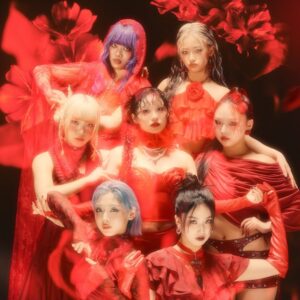
Meanwhile, the arenas aren’t exactly taking a break. HANA comes to Osaka-jō Hall September 16–17 on HANA 1st TOUR 2026 “Born to Bloom.” Created through the No No Girls audition project and produced by Chanmina, the seven-member group has gone from its 2025 debut to its first nationwide hall and arena tour with remarkable speed.
On one September night, HANA fills Osaka-jō Hall while The Damned takes over Gorilla Hall. One city. Two stages. Roughly half a century of musical history between them. And somehow, September is about to get busier.
Then Silver Week happens. From September 19–23, Osaka’s already packed music calendar goes slightly insane.

It starts with two artists who perfectly capture the generational reach of the month. Seiko Matsuda brings more than four decades of Japanese pop history to Osaka-jō Hall September 19–20. From her emergence as a defining idol of the 1980s to a career spanning generations, Matsuda remains one of the most recognizable figures in Japanese popular music.
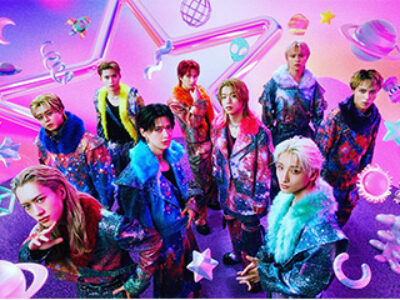
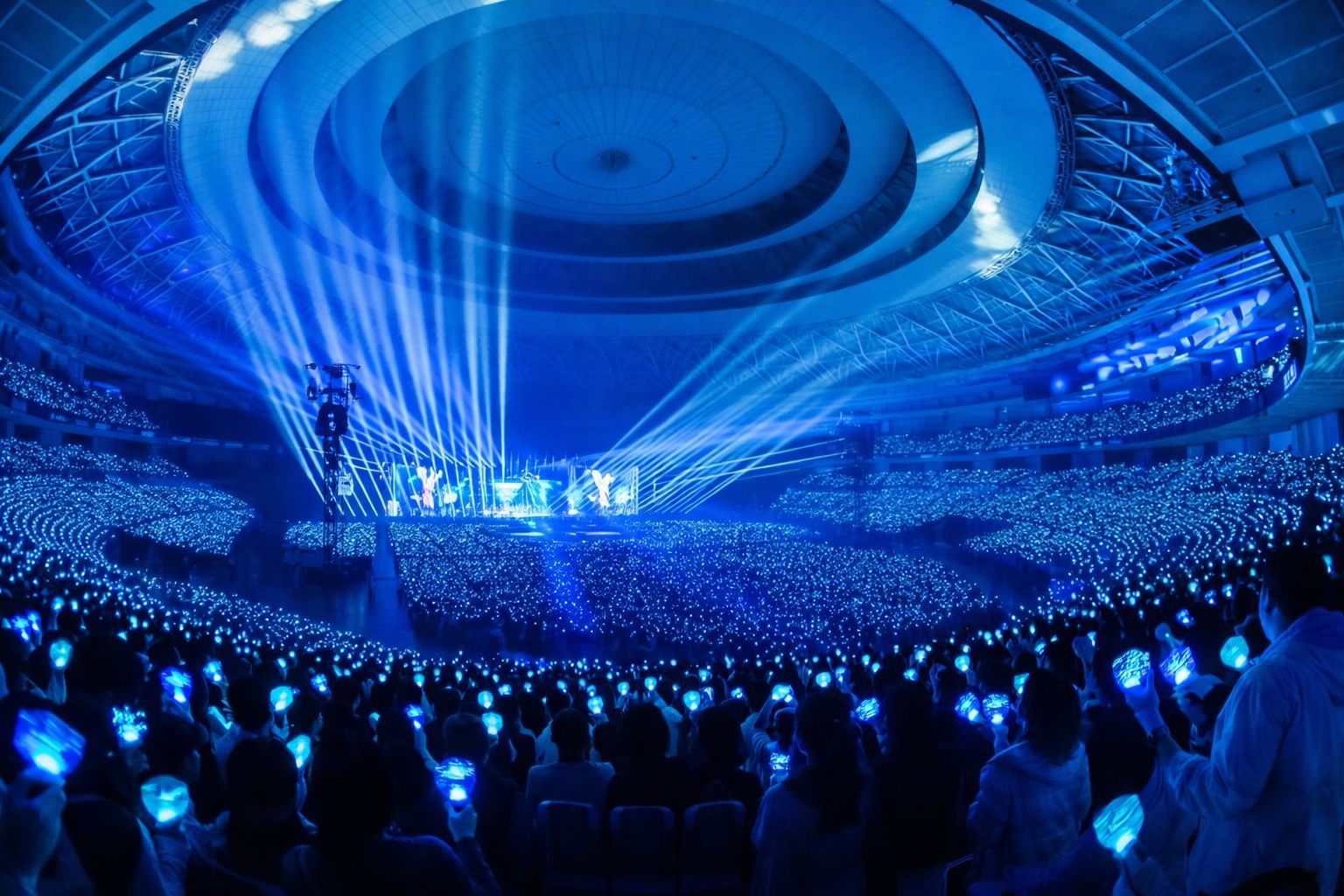
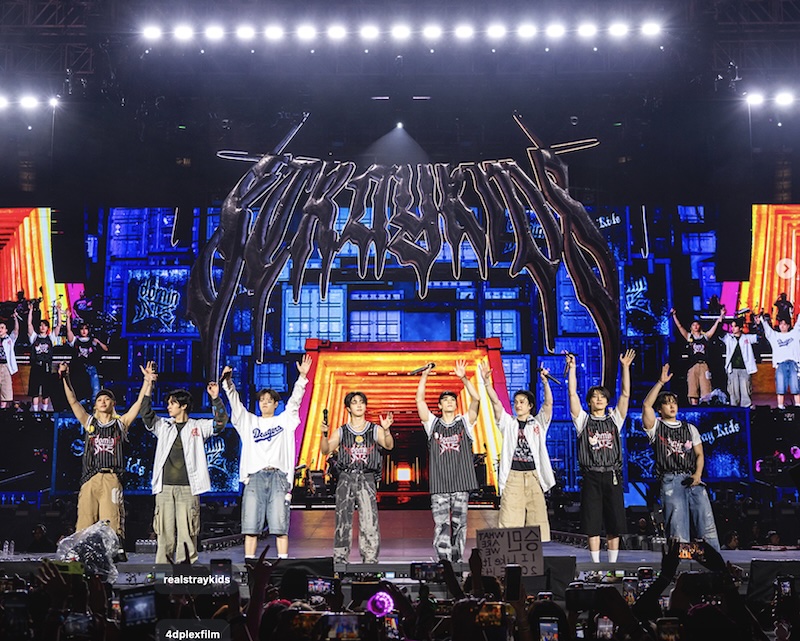
Across town on the exact same nights, Stray Kids (above) take over Kyocera Dome Osaka. Stray Kids has grown into a global stadium-scale force, putting one of today’s biggest K-pop spectacles opposite one of Japan’s enduring pop icons. Choose your generation.
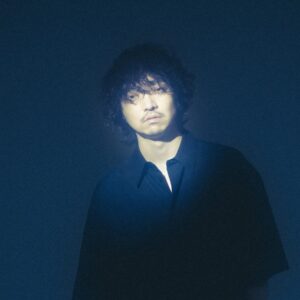
On September 20, Daichi Miura joins the weekend at Grand Cube Osaka for the first of two performances on his Raw / Bare tour. One of Japan’s most accomplished singer-dancers, Miura has built a career around vocals and choreography that make the live stage as important as the recording.
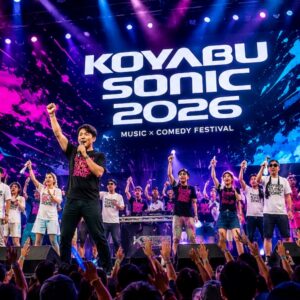 And then comes KOYABU SONIC. The three-day festival takes over INTEX Osaka September 21–23 and may be the hardest event of the month to explain in a single sentence — which is part of its charm.
Created by comedian Kazutoyo Koyabu, KOYABU SONIC gleefully refuses to choose between a music festival and a comedy festival. This year’s lineup jumps from Atarashii Gakko! and Kyary Pamyu Pamyu to NEWS, Sambomaster and Wednesday Campanella, alongside comedians, Yoshimoto talent and even Fortnite. It’s three days of organized entertainment chaos inside two INTEX exhibition halls.
And KOYABU SONIC isn’t remotely alone: rapper GADORO takes over Osaka-jō Hall September 21, while Scottish indie-pop institution Belle and Sebastian slips into the much more intimate BIGCAT on September 22.
BABYMONSTER takes over Kyocera Dome September 22–23. The seven-member group from YG Entertainment brings another massive K-pop production to Osaka, effectively bookending Silver Week at Kyocera with two different generations of global Korean pop.
Five days. Multiple generations. Multiple countries. Dome-sized K-pop, Japanese pop history, hip-hop, indie pop and three days of music-and-comedy mayhem.
We weren’t exaggerating. It really is an insane five days of music.
After all that, September could reasonably call it a month. It doesn’t.
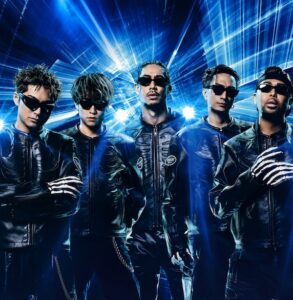
EXILE THE SECOND takes over Osaka-jō Hall September 26–27, bringing the polished vocals, choreography and arena-scale performance of the EXILE TRIBE universe to one of Osaka’s biggest stages.
At Festival Hall, another generation of Japanese pop takes the spotlight. Hiromi Go performs September 27, continuing a career that stretches back to the early 1970s and has made him one of Japanese entertainment’s most enduring performers.
Then Hitsujibungaku changes the atmosphere completely on September 28. The Tokyo trio’s dreamy, atmospheric alternative rock has grown from Japan’s indie scene to increasingly large stages at home and abroad, giving Festival Hall a very different sound just 24 hours later.
And while all of that is happening, Gorilla Hall finishes the month the same way it spent the middle of it: refusing to settle on one sound. Ken Yokoyama brings punk to the room September 26. Sunny Day Service turns toward indie rock September 27. Then SiM arrives September 28 with its collision of metal, punk and reggae. Three nights. Three bands. Three very different versions of loud.
By September 29, veteran singer-songwriter Junko Yagami is at Festival Hall, providing one final reminder that Sonic September has never belonged to one generation.