Tenjin Matsuri Fireworks
One of Japan’s most famous festivals returns to Osaka this July as Tenjin Matsuri once again transforms the Ōkawa River into a glowing midsummer spectacle of river processions, shrine rituals, lantern-lit boats, festival crowds, and approximately 3,000 dedicatory fireworks launched across the city skyline.
Every summer, Osaka seems to move toward the river. Long before the fireworks begin, crowds in yukata fill the streets around Osaka Tenmangu Shrine, lanterns begin glowing along the Ōkawa River, and food stalls spill through the surrounding neighborhoods as Tenjin Matsuri returns for one of the city’s most important and recognizable cultural traditions. More than simply a fireworks festival, Tenjin Matsuri is one of Japan’s Three Great Festivals — a centuries-old urban celebration where shrine ritual, river processions, music, food culture, and summer atmosphere merge into one enormous midsummer event across central Osaka.
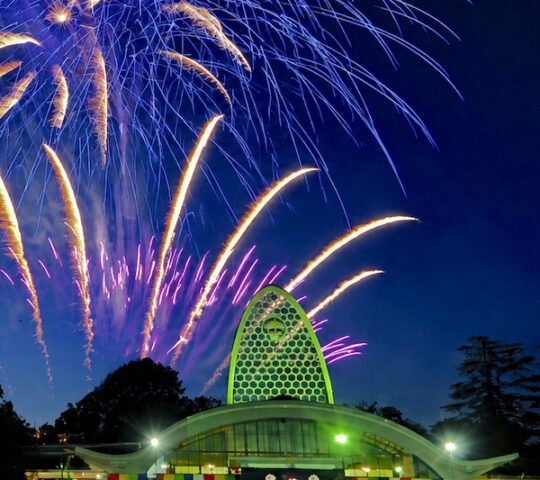
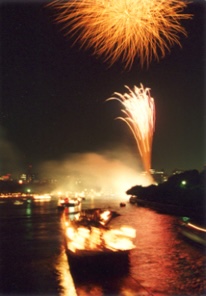 The fireworks portion of the festival, known as “dedicatory fireworks”, takes place on the evening of July 25 as illuminated boats move along the river through the heart of the city. Tenjin Matsuri’s fireworks exist as part of a ceremonial landscape. The launches accompany the famous boat procession itself, with fireworks reflecting above lantern-lit boats, bridges, and packed riverbanks stretching from Sakuranomiya through Tenmabashi and beyond.
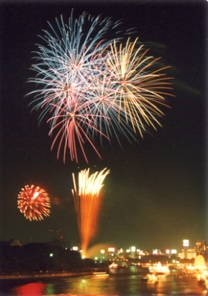 The roots of Tenjin Matsuri date back more than 1,000 years to 951 AD, giving the event a completely different feeling from Osaka’s newer waterfront fireworks spectacles. Much of the atmosphere comes not from a single viewing area, but from the movement of the city itself. Neighborhood shopping arcades overflow with visitors carrying festival fans and street food, families gather beneath the bridges along the riverbanks, and entire districts remain crowded deep into the night. The combination of dense urban scenery, summer humidity, shrine ritual, and fireworks exploding over the river creates one of the defining visual experiences of Osaka summer.
Throughout the afternoon and evening, the festival atmosphere spreads across multiple parts of the city. The major land procession moves through the streets while the river procession gradually takes shape along the Ōkawa. As night falls, illuminated boats carrying shrine participants and performers begin moving across the water while approximately 3,000 fireworks launch overhead. Rather than feeling like a short concentrated fireworks show, the entire evening unfolds slowly across the city, with crowds drifting between riverside viewing spots, festival streets, food stalls, and bridge crossings while fireworks continue above the skyline.
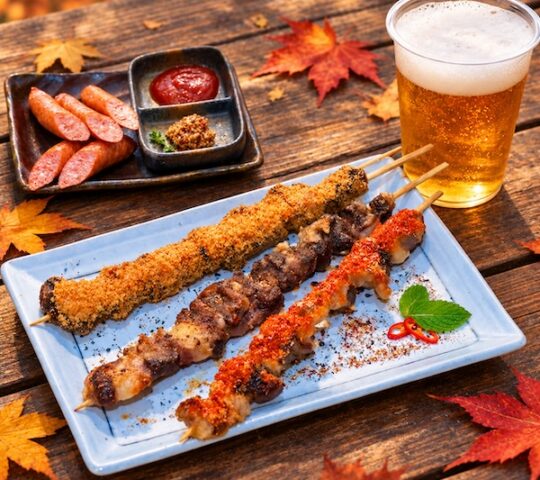
Food culture also forms a major part of the experience. Streets around Tenmangu, Minami-Morimachi, Sakuranomiya, and Tenmabashi fill with classic summer festival foods including takoyaki, yakisoba, kakigōri, grilled skewers, sweets, and beer stands as visitors move through the city in yukata and geta sandals. The result feels unmistakably like peak Japanese summer festival season — humid air, packed streets, glowing lanterns, distant drums, and fireworks echoing across the river through the center of Osaka.
While paid viewing areas and premium riverboat experiences are available each year, Tenjin Matsuri fundamentally remains a public citywide festival rather than a controlled ticketed event. Many visitors simply gather along the riverbanks or move between bridges throughout the evening, watching the boats and fireworks together from wherever space can be found. That openness, combined with the event’s extraordinary history and sheer scale, gives Tenjin Matsuri a completely different emotional atmosphere from Osaka’s newer fireworks productions. It is not simply a fireworks show placed inside the city — it is one of the city’s oldest living traditions unfolding around the river itself.

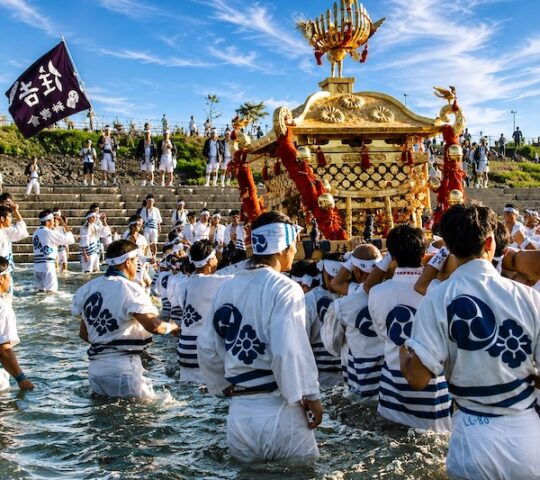
 Osaka’s River Festival – The fireworks accompany one of Japan’s most historically important urban festivals.
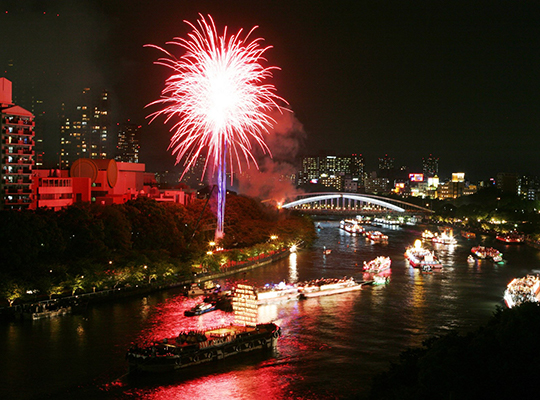
Lanterns Across The Water – Illuminated procession boats glide through the Ōkawa River beneath exploding fireworks.
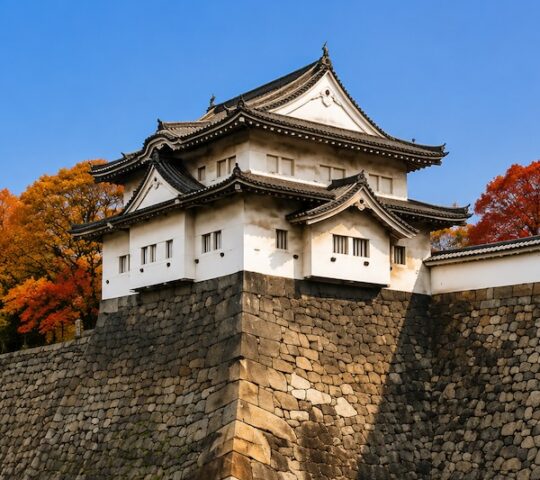
More Than 1,000 Years Old-Tenjin Matsuri traces its origins back to 951 AD.
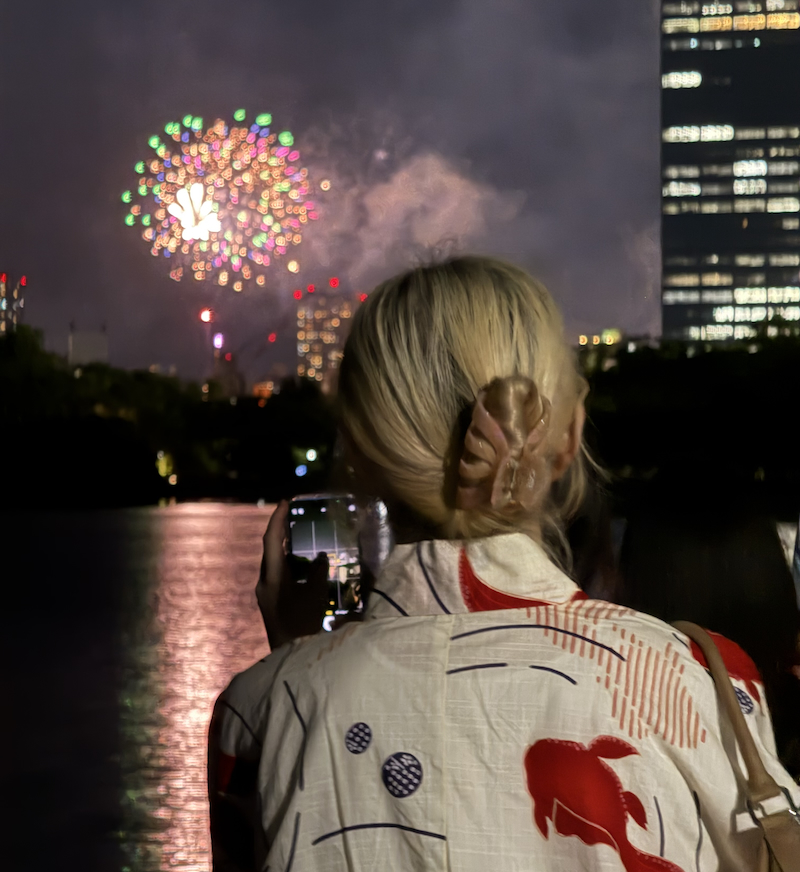
Summer Yukata Atmosphere – Packed riversides, lanterns, food stalls, and yukata crowds create one of Osaka’s defining midsummer scenes.
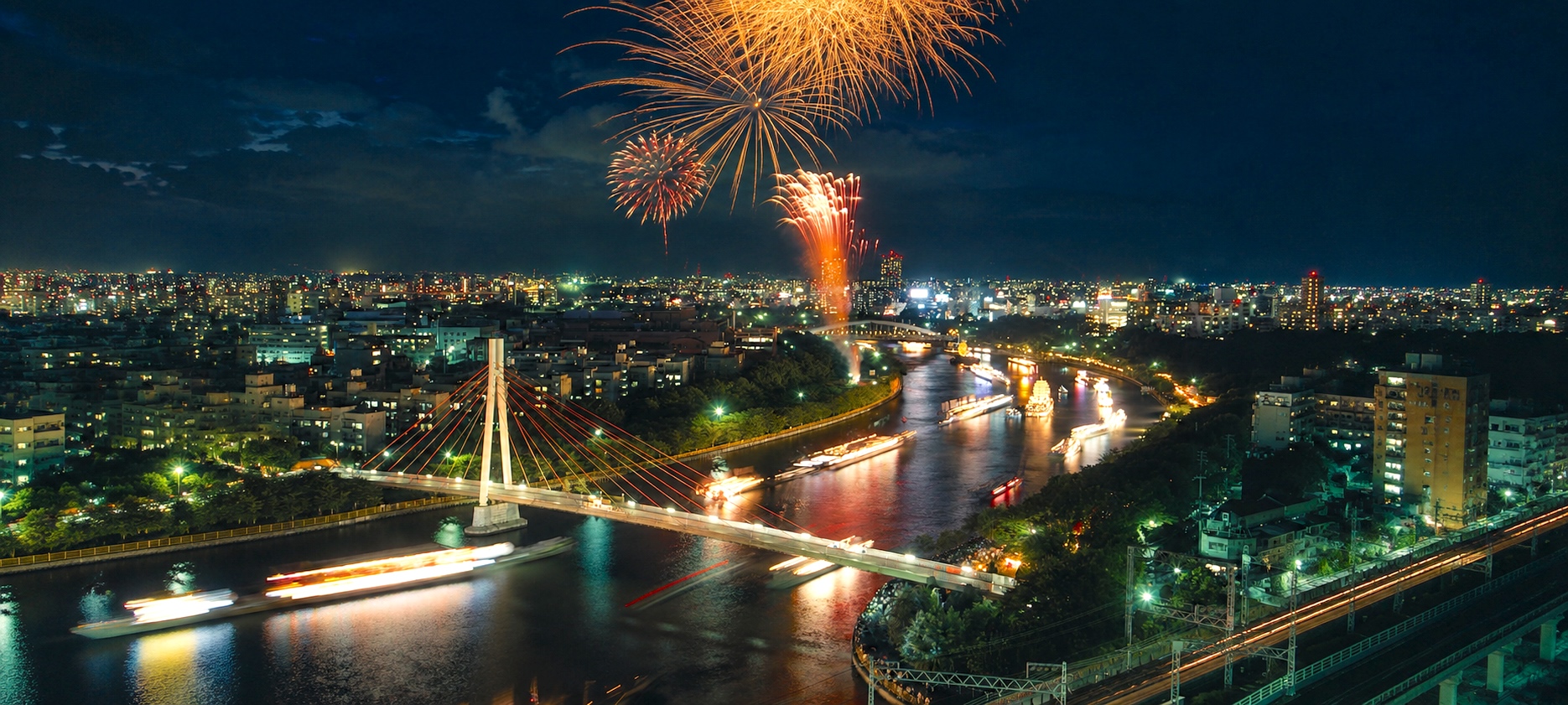
A Citywide Celebration – Rather than a single venue, the festival spreads across central Osaka neighborhoods and riverbanks.
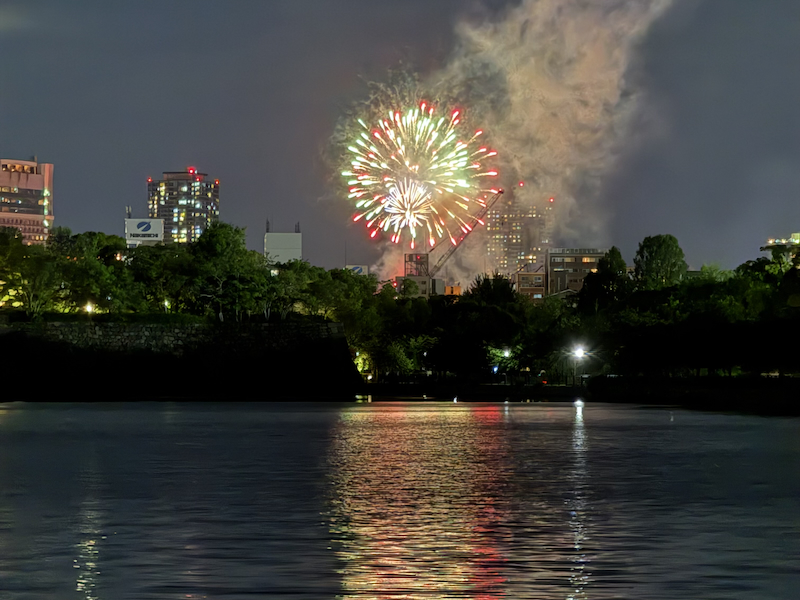
Fireworks Above The Skyline – Approximately 3,000 dedicatory fireworks launch over the river through the heart of Osaka.
Photos: Osaka Scene Staff, Osaka Tenmangu Shrine
Maps
Contact
Opening Hours
THE SCENE: FAQ’s
ACCESS
Where is Tenjin Matsuri held?
The festival spreads across multiple areas of central Osaka centered around Osaka Tenmangu Shrine and the Ōkawa River.
The fireworks and river procession are commonly viewed around:
- Sakuranomiya
- Tenmabashi
- Kawasaki Bridge
- Okawa riverbanks
- nearby riverside parks and bridges
What are the best stations to use?
Most commonly used stations include:
JR Osaka Loop Line → Sakuranomiya Station
JR Tozai Line → Osaka Tenmangu Station
Osaka Metro Tanimachi Line / Sakaisuji Line → Minami-Morimachi Station
Keihan Railway / Osaka Metro → Tenmabashi Station
How crowded does it get?
Extremely crowded. Attendance is commonly estimated at approximately 1.3 million visitors across the festival period. Expect major congestion throughout the evening.
Are roads and bridges closed?
Yes. Temporary pedestrian controls, bridge restrictions, and traffic closures are common throughout the area during the festival.
SCHEDULE
When is Tenjin Matsuri 2026?
The main festival and fireworks take place on Saturday, July 25, 2026.
What time do the fireworks begin?
The fireworks are expected to begin around 19:30 and continue until approximately 20:50.
Is the fireworks show the entire festival?
No. The fireworks are only one part of Tenjin Matsuri, which also includes:
- shrine rituals
- large street processions
- river processions
- traditional performances
- food stalls and festival activities
What is the river boat procession?
The 船渡御 (Funatogyo) is the famous illuminated river procession where decorated boats carrying shrine participants and performers travel along the Ōkawa River during the evening festivities.
TICKETS & VIEWING
Is Tenjin Matsuri free to attend?
Yes. Much of the festival and many riverside viewing areas are completely free to access.
Are paid seating areas available?
Yes. Reserved seating zones are typically established along several riverside areas each year.
Historically confirmed viewing areas include:
- Sakuranomiya seating zones
- Tenmabashi viewing areas
- riverside reserved platforms
- premium riverboat seating
Are riverboat viewing packages available?
Yes. Special boat viewing experiences are offered through selected operators and hospitality packages, sometimes including meals and drinks.
How expensive are premium viewing options?
Pricing varies significantly depending on the package and viewing style, with some premium riverboat experiences exceeding ¥50,000.
THE EXPERIENCE
The Tenjin Matsuri Fireworks are more than a fireworks show—they are the grand finale of one of Japan’s most famous festivals.
Expect:
- One of Osaka’s most anticipated summer nights
- Fireworks launched over the Okawa River
- Illuminated festival boats moving along the water below
- Lantern reflections dancing across the river
- Hundreds of thousands of spectators lining both riverbanks
- Food stalls and festival atmosphere throughout the surrounding districts
- Traditional festival energy mixed with a modern fireworks spectacle
- Some of the most photographed summer scenes in Osaka
The atmosphere begins building long before the first fireworks launch. Throughout the afternoon and evening, visitors gather along the river, claim viewing spots, explore food vendors, and watch festival boats prepare for the night’s events. As darkness falls, the combination of fireworks, illuminated vessels, river reflections, and festival crowds creates a uniquely Osaka experience that is difficult to replicate anywhere else in Japan.
INFO & TIPS
What makes Tenjin Matsuri different from other Osaka fireworks events?
Tenjin Matsuri is fundamentally a historic religious and cultural festival first, with fireworks serving as part of the larger shrine and river procession tradition.
What should visitors wear?
Many attendees wear yukata and traditional summer festival clothing, though casual summer clothing is also completely normal.
Is this a good event for photography?
Yes, but crowds are extremely dense. Bridges, riverside parks, and boat-procession areas become heavily packed well before sunset.
Is this event family friendly?
Yes, though the enormous crowds and summer heat can make navigation difficult for small children late in the evening.
What kind of food is available?
Visitors can expect large numbers of traditional summer festival food stalls selling:
- takoyaki
- yakisoba
- kakigōri
- grilled foods
- sweets
- beer and festival drinks