Okoshiya Yukata Festival
Known locally as the Yukata Festival and Biwa Festival, Okoshiya Festival marks the arrival of summer with a mikoshi procession, loquat traditions, shrine performances, and an afternoon of community celebrations at one of Kansai’s most important Ebisu shrines.
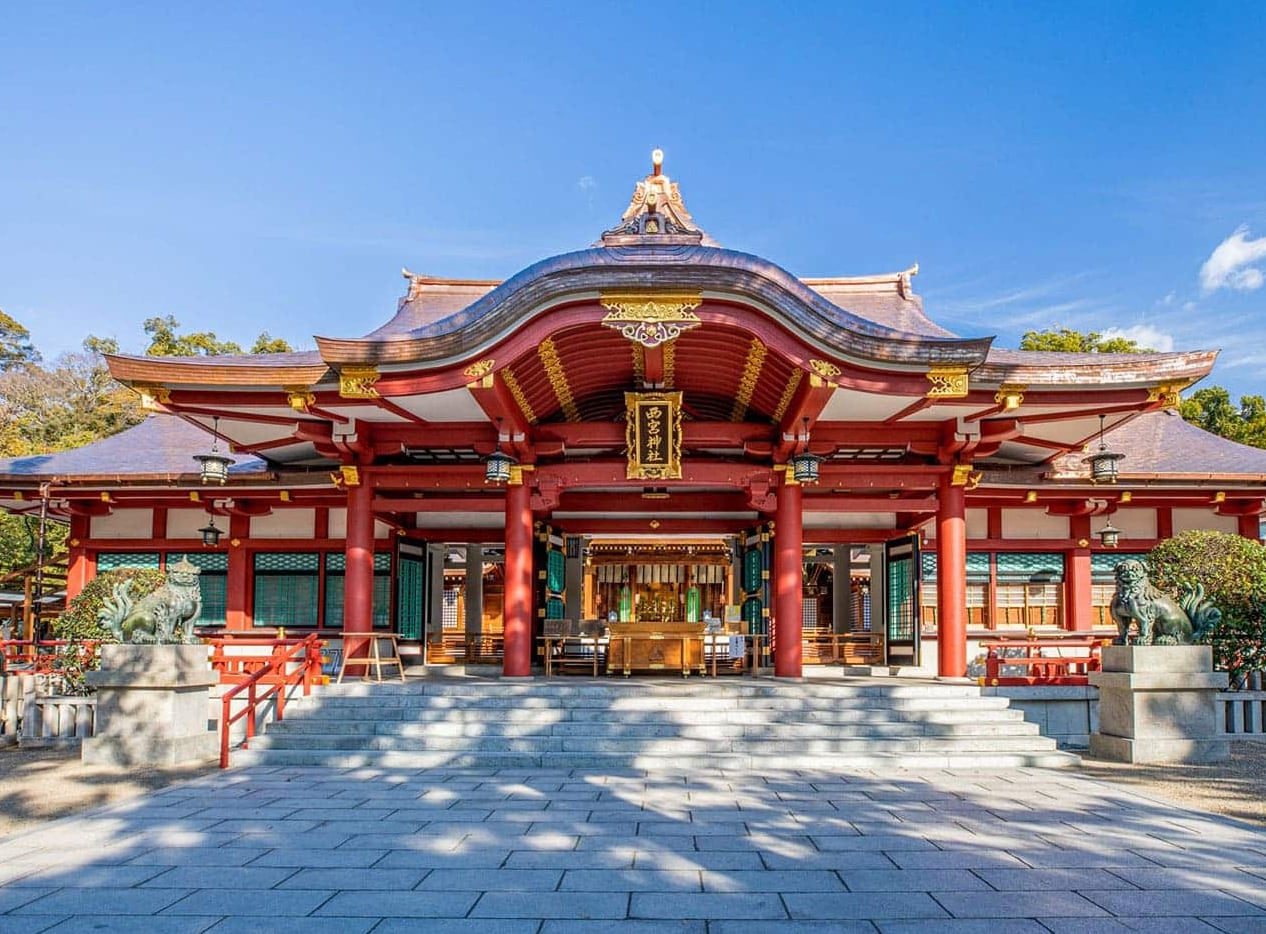
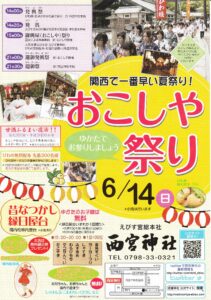 Summer festival season arrives early at Nishinomiya Shrine. On June 14, 2026, the shrine’s Okoshiya Yukata Festival returns with a mikoshi procession, loquat traditions, shrine performances, and an afternoon of celebrations that have marked the beginning of summer for generations.
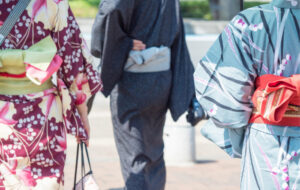 Promoted by Nishinomiya Shrine as one of Kansai’s earliest summer festivals, Okoshiya is known locally as both the Yukata Festival and the Biwa Festival. Okoshiya is traditionally associated with the day people begin wearing yukata for the season. Throughout the afternoon, visitors arrive in summer attire, gather around the shrine grounds, and follow one of Nishinomiya’s most distinctive annual traditions. The festival’s second nickname comes from biwa, the Japanese loquat, a small orange fruit offered during the ceremonies and distributed to visitors later in the day.
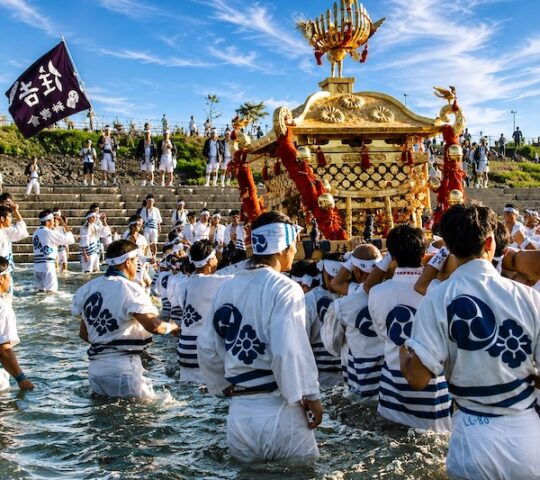
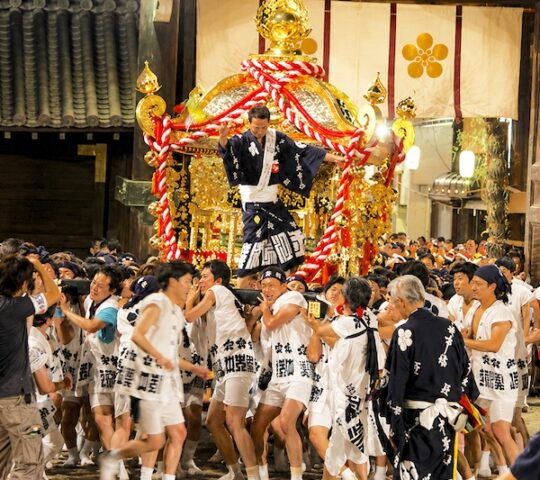
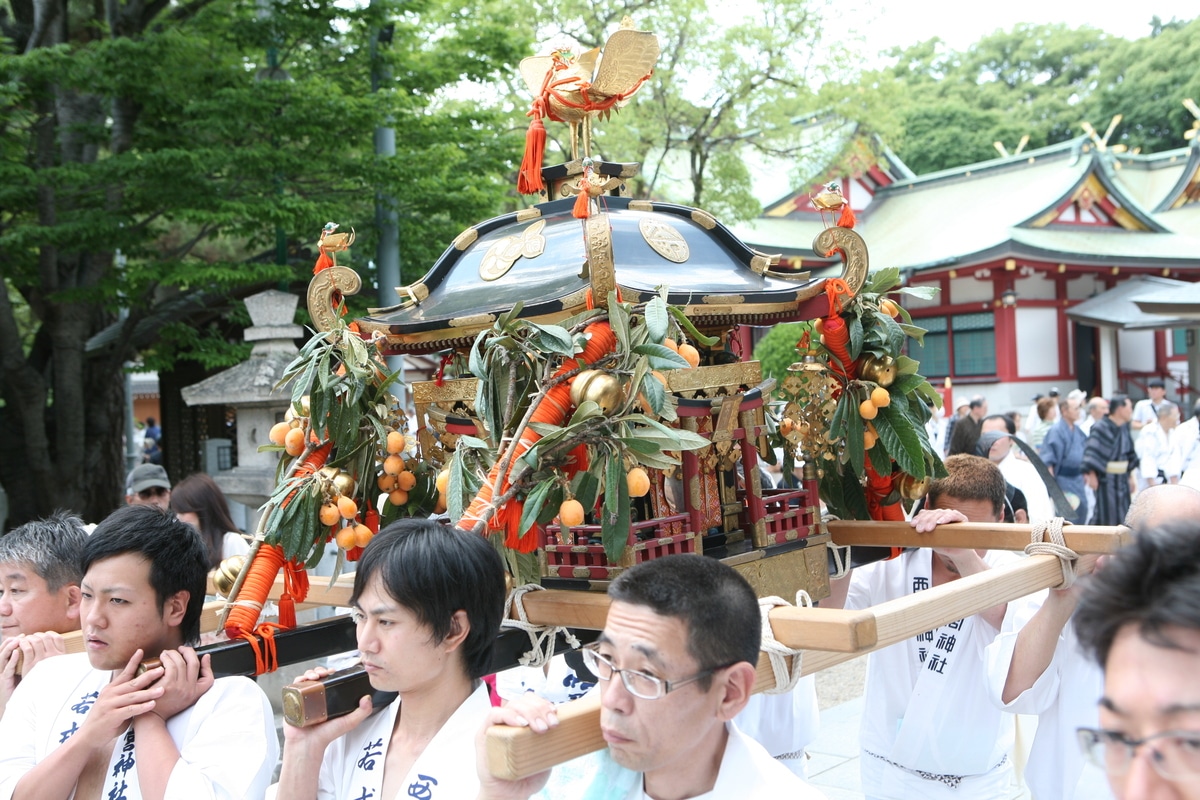
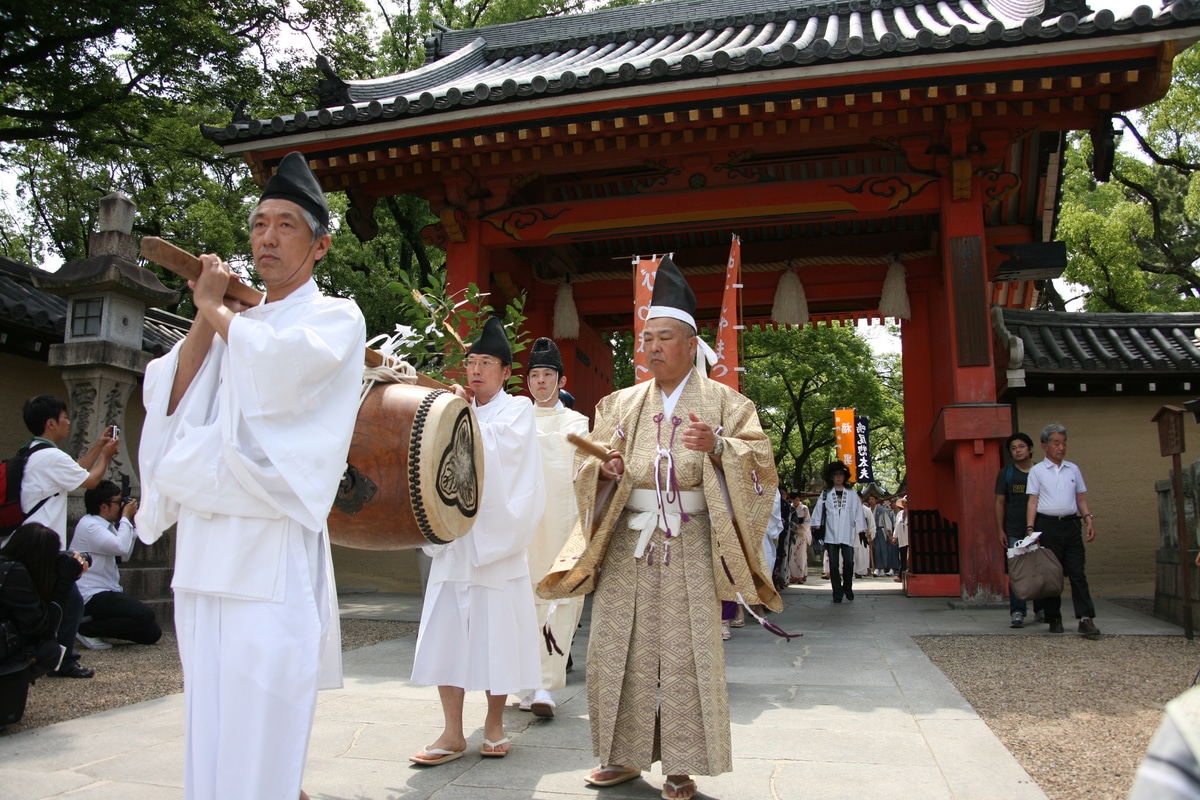
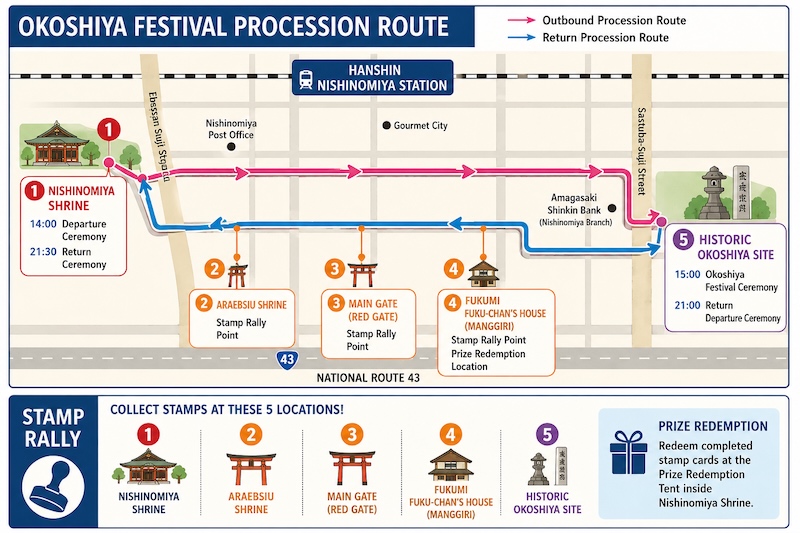
 At the heart of the festival is a mikoshi carrying Ebisu, the deity of prosperity, business success, and good fortune. Following a departure ceremony at 14:00, the portable shrine leaves Nishinomiya Shrine at approximately 14:20 and travels through Nishinomiya Central Shopping Street and Honmachi-suji to the historic Okoshiya site. Priests, attendants, musicians, and yukata-clad participants accompany the procession, creating a parade-like atmosphere that draws spectators along the route.
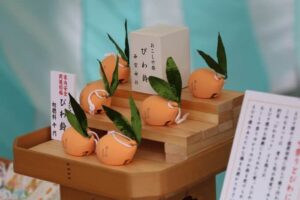 One of the festival’s most anticipated moments comes at approximately 15:40 when the Biwa Musume distribute loquats to visitors following ceremonies at the Okoshiya site. The afternoon continues with the traditional Ebisu-mai dedication at 16:00 before attention returns to the shrine grounds for evening performances. Beginning at 17:00, shrine maidens perform kagura, sacred dances accompanied by traditional music, with additional performances scheduled at 18:00 and 19:00. Visitors attending the afternoon ceremonies can also enjoy complimentary chilled amazake during the evening festival program while supplies last.
The festival is as much a celebration of community as it is tradition. Visitors can watch the procession from close range, enjoy the atmosphere around the shrine, and experience a side of Kansai festival culture that feels personal and accessible. Beyond the ceremonies, the festival includes a nostalgic fair with classic matsuri games, traditional play areas, kamishibai storytelling, lion dance performances, and a stamp rally linking Nishinomiya Shrine and the Okoshiya site. Businesses throughout Nishinomiya Central Shopping Street also participate, with special offers available for visitors arriving in yukata.
While Okoshiya marks the beginning of the shrine’s busy summer season, it is only the first chapter in Nishinomiya Shrine’s annual calendar. Summer Ebisu events follow in July, while the larger Nishinomiya Matsuri celebrations arrive in September. Together they form a festival cycle that keeps one of Kansai’s most important Ebisu shrines active throughout the year.

 Follow the Mikoshi – Watch Ebisu travel through Nishinomiya in one of the shrine’s oldest traditions.
The First Yukata of Summer – Okoshiya is known locally as the festival that marks the start of yukata season.
Meet the Biwa Musume – Receive fresh loquat fruits from attendants carrying on a uniquely local tradition.
Kagura at Dusk – Shrine maidens perform sacred dances as the festival transitions into evening.
A Summer Tradition Close to Osaka – Experience one of Kansai’s earliest summer festivals at Nishinomiya Shrine.
Photos: Nishinomiya Official Websites
Maps
THE SCENE: FAQ’s
ACCESS
Venue: Nishinomiya Shrine
Address: 1-17 Shakecho, Nishinomiya, Hyogo 662-0974
Nearest Stations
Hanshin Main Line → Nishinomiya Station: approx. 5-minute walk
JR Kobe Line → Nishinomiya Station: approx. 15-minute walk
From Osaka Metro
Osaka Metro Midosuji Line → Umeda Station → Transfer to Hanshin Main Line at Osaka-Umeda Station → Nishinomiya Station
From JR Osaka Station
JR Kobe Line → Nishinomiya Station
FESTIVAL PROCESSION
SCHEDULE
Schedule
Okoshiya Festival unfolds throughout the afternoon and evening, beginning with the departure of Ebisu from Nishinomiya Shrine and concluding with the deity’s return later that night.
14:00 — Departure Ceremony (Hatsuyosai)
The festival officially begins at Nishinomiya Shrine with a ceremony preparing the mikoshi for its journey.
14:20 — Mikoshi Procession Departs
The portable shrine carrying Ebisu leaves Nishinomiya Shrine and proceeds through Nishinomiya Central Shopping Street and Honmachi-suji toward the historic Okoshiya site.
15:00 — Ceremony at the Okoshiya Site
A ceremonial service is held at the historic location associated with one of the shrine’s founding traditions.
15:00–19:00 — Stamp Rally
Visitors can collect stamps at designated locations including Nishinomiya Shrine and the Okoshiya site to receive commemorative gifts while supplies last.
15:00–20:00 — Nostalgic Festival Fair
Classic matsuri games, traditional play areas, snacks, and family-friendly activities take place within the shrine grounds.
15:30–16:00 — Kamishibai Storytelling
15:40 — Loquat Distribution by the Biwa Musume
One of the festival’s signature traditions sees attendants distribute fresh loquats (biwa) and festival fans to visitors.
16:00 — Ebisu-mai Dedication
16:00–16:30 — Lion Dance Performance
17:00 — Kagura Performance
17:00–17:30 — Kamishibai Storytelling
17:30–18:00 — Lion Dance Performance
18:00 — Kagura Performance
18:30–19:00 — Kamishibai Storytelling
19:00 — Kagura Performance
20:00 — Return Departure Ceremony
20:30 — Return Ceremony at Nishinomiya Shrine
The festival concludes as the mikoshi returns to the shrine grounds, completing the annual journey of Ebisu.
Visitors can spend the entire afternoon following the procession, exploring the festival grounds, participating in the stamp rally, and enjoying traditional performances before the festival concludes in the evening.
ADMISSION
Admission to Okoshiya Festival is free.
No tickets or advance reservations are required to attend the mikoshi procession, ceremonies, loquat distribution, or kagura performances.
Some seasonal offerings, commemorative items, and festival activities may be available in limited quantities while supplies last.
Visitors are encouraged to arrive early for the mikoshi departure and loquat distribution, which are among the festival’s most popular traditions.
THE EXPERIENCE
Okoshiya Festival combines a historic mikoshi procession, summer traditions, and community celebrations into one of the Kansai region’s earliest summer festivals.
- Watch the mikoshi carrying Ebisu depart Nishinomiya Shrine and travel to the historic Okoshiya site.
- See the Biwa Musume distribute fresh loquats during one of the festival’s signature traditions.
- Experience the atmosphere of the Yukata Festival as visitors arrive in summer attire.
- Enjoy traditional kagura performances and the Ebisu-mai dedication.
- Explore a community festival that blends shrine traditions with local participation.
Whether you come for the procession, the performances, or simply to welcome the arrival of summer, Okoshiya offers a distinctly local festival experience just beyond Osaka.
INFO & TIPS
- Known locally as both the Yukata Festival and the Biwa Festival, Okoshiya is traditionally associated with the beginning of summer and the start of yukata season.
- The festival’s most unique tradition is the distribution of loquats (biwa) by the Biwa Musume following the afternoon ceremony at the Okoshiya site.
- Visitors interested in photography should arrive before the mikoshi departure and remain through the loquat distribution and evening kagura performances.
- Nishinomiya Shrine is one of Japan’s most important Ebisu shrines and is best known throughout the region for its annual Toka Ebisu celebrations.
- Recent editions have featured community activities, seasonal offerings, and participation from businesses in the surrounding Nishinomiya Central Shopping Street.
- June weather can be warm and humid. Light clothing, sun protection, and water are recommended, especially for visitors following the procession outdoors.
Okoshiya Festival offers a chance to experience a longstanding regional tradition at a scale that remains approachable, personal, and easy to enjoy in a single afternoon and evening.