What Lies Beneath Osaka?
The Osaka Museum of History digs into the city beneath the city with an exhibition of around 150 finds from recent excavations, spanning ancient settlements and Naniwa Palace to Toyotomi Osaka Castle.
What lies beneath Osaka? Quite a lot, as it turns out.
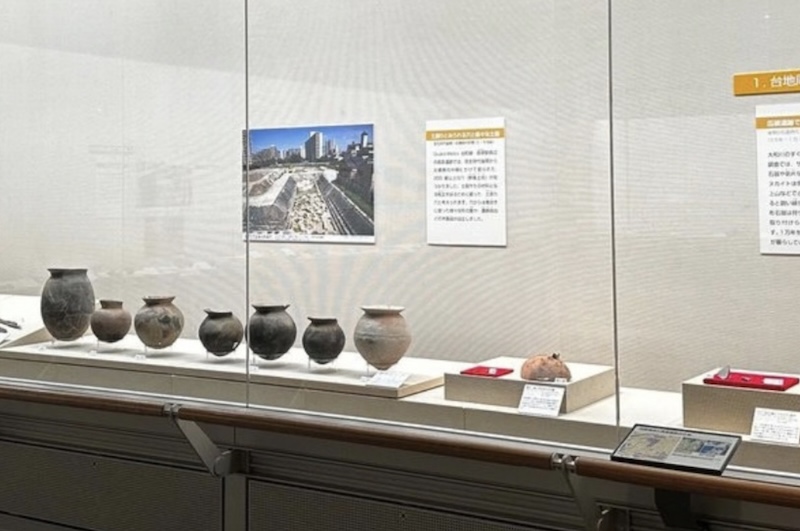
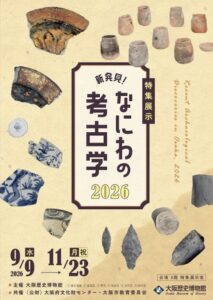
Construction and archaeological investigation continue to uncover pieces of cities and communities that occupied the same ground long before today’s streets and towers appeared. New Discoveries! Naniwa Archaeology 2026, on view at the Osaka Museum of History through November 23, 2026, brings approximately 150 objects from recent excavations across Osaka City together in one exhibition, turning it into something like an archaeological progress report on the city beneath the city.
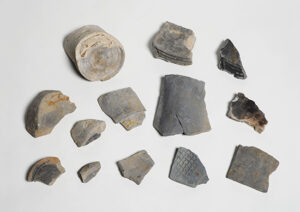
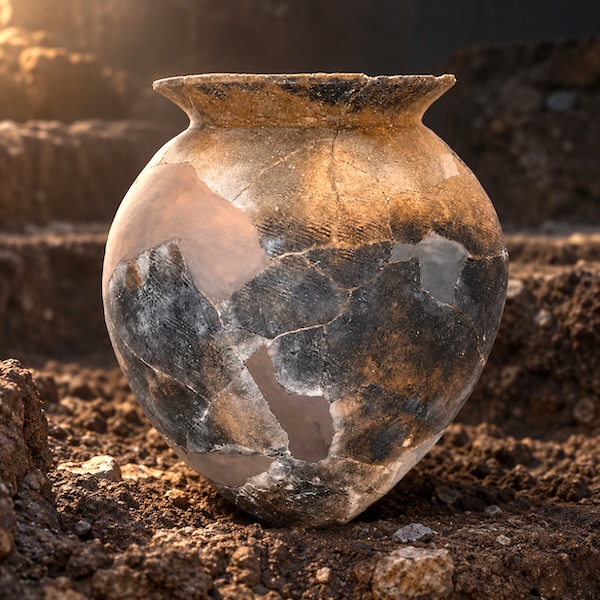
The discoveries stretch across centuries. At Nagahara in Hirano Ward, archaeologists found more than 250 pits believed to have been dug for clay, along with cooking vessels spanning the late Yayoi through early Kofun periods. Beneath the later Osaka Castle town, excavations revealed evidence of an earlier settlement dating from the Yayoi through Heian periods—remnants of a community that once occupied sandy ground along the ancient Osaka Bay shoreline.
Closer to the museum itself, excavations at the Naniwa Palace site uncovered part of a corridor connected to the southern gate of the Earlier Naniwa Palace ceremonial complex, while other layers yielded roof tiles associated with the Later Naniwa Palace. The timing is particularly fitting: 2026 marks 1,300 years since construction of the Later Naniwa Palace began, a milestone the museum explores further in a related October symposium.
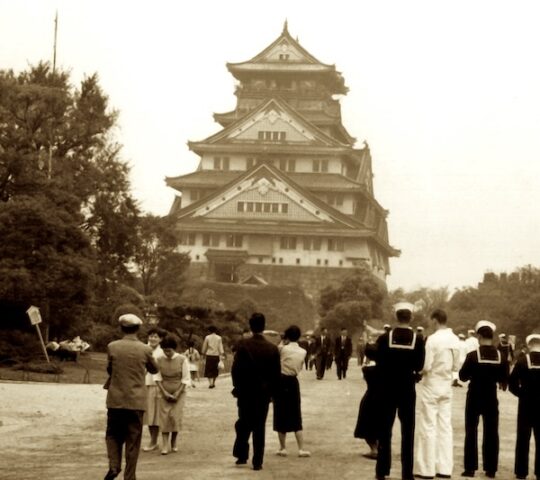
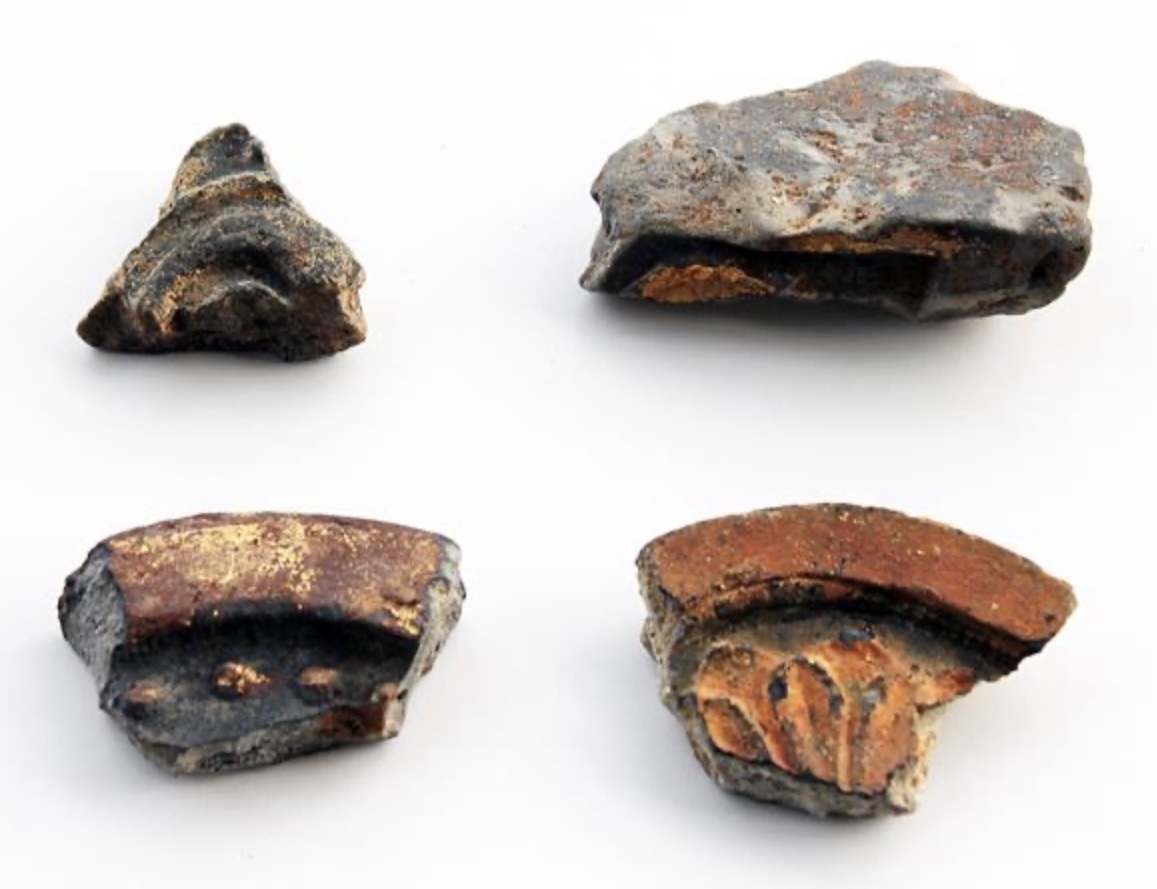
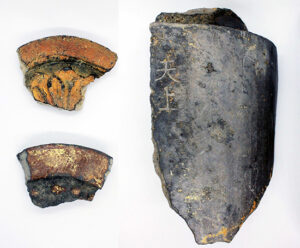 Then Osaka’s familiar castle history begins to emerge from the ground. Excavations at the Osaka Castle site produced fragments of gold-leaf roof tiles from the Toyotomi period, including chrysanthemum and tomoe designs, alongside a roof tile stamped with the characters 天上. Finds from the subsequent Tokugawa castle town include small crucibles carrying traces of melted metal, possibly evidence of brass casting.
 That sweep through time is what makes the exhibition work. These aren’t artifacts assembled simply to illustrate a history already known; they’re evidence recovered through recent investigation of the ground beneath Osaka.
And the discoveries are a natural introduction to the Osaka Museum of History itself, whose permanent galleries trace the city from ancient Naniwa through the castle town and into modern Osaka. With the exhibition included in regular museum admission, visitors can continue from these newest discoveries into the much larger story of the city—then step outside to see Naniwa Palace and Osaka Castle in the landscape where so much of that history unfolded.

 Osaka Beneath Osaka – See around 150 objects from recent archaeological excavations across the city.
Ancient Communities – Discover pottery and settlement evidence dating from the Yayoi and Kofun periods.
Naniwa Palace Revealed – Explore new finds from the ancient palace complex located beside today’s museum.
Toyotomi Gold – See fragments of gold-leaf roof tiles excavated from the Toyotomi-period Osaka Castle site.
History Underfoot – Connect the discoveries inside the museum with Naniwa Palace and Osaka Castle just outside.
Photos: Osaka Museum of History Website, Osaka Scene Staff
WHAT ELSE IS HAPPENING IN OSAKA?
Discover events, exhibitions, festivals, concerts, culture & more.

Follow @osakascene on Instagram
Maps
Contact
Opening Hours
THE SCENE: FAQ’s
ACCESS
Venue
Osaka Museum of History — 8F Special Exhibition Room
Address
4-1-32 Otemae, Chuo-ku, Osaka 540-0008
Trains
Keihan → Temmabashi Station
Use the east-side exits and walk approximately 15 minutes south toward Osaka Castle and Naniwa Palace. The museum is the tall oval-shaped building beside the NHK Osaka Broadcasting Center.
Subways
Metro Tanimachi / Chuo Lines → Tanimachi 4-chome Station
Use Exit 2 or Exit 9. The Osaka Museum of History is approximately a 5-minute walk from the station, immediately west of the Naniwa Palace Site Park.
◷ FROM CENTRAL OSAKA
From Namba — about 20–25 minutes
Take the Metro Sennichimae Line to Tanimachi 9-chome ↔ transfer to the Tanimachi Line for Tanimachi 4-chome, then walk approximately 5 minutes to the museum.
From Osaka/Umeda — about 20 minutes
Take the Metro Tanimachi Line directly from Higashi-Umeda to Tanimachi 4-chome, then walk approximately 5 minutes to the museum.
Arrival Tip
The museum shares its complex with the NHK Osaka Broadcasting Center. Look for the distinctive tall oval museum tower facing the Naniwa Palace Site Park; the exhibition itself is on the 8th floor.
SCHEDULE
Exhibition Dates
September 9–November 23, 2026
Museum Hours
09:30–17:00
Last admission: 16:30
Closed
Tuesdays
Curator Gallery Talks
October 3 and November 7
14:00–14:30
8F Special Exhibition Room
Included with museum admission; no advance reservation required.
October 25 — Digging into Osaka’s History 2026
A special symposium commemorating 1,300 years since construction began on the Later Naniwa Palace. Researchers will discuss recent archaeological discoveries and what they reveal about the ancient capital.
13:00–16:30
4F Auditorium
Capacity: 250
Free admission
Advance application required.
November 15 — Family Archaeology Workshop
A hands-on program introducing children and families to archaeological excavation and discoveries.
The November 15 workshop is fully booked, and applications are now closed.
Exhibition Viewing
The approximately 150 archaeological objects can be viewed throughout regular museum hours. There are no timed-entry requirements for the exhibition itself.
TICKETS
Exhibition Admission
New Discoveries! Naniwa Archaeology 2026 is included with regular admission to the Osaka Museum of History permanent exhibition. No separate exhibition ticket is required.
Adults: ¥600
High school & university students: ¥400
Junior high school students and younger: Free
Visitors eligible for other museum admission exemptions should bring the appropriate identification or certification.
Purchase
Tickets can be purchased at the museum on the day of your visit. No advance reservation or timed-entry ticket is required for the exhibition.
October 25 Symposium
Admission to Digging into Osaka’s History 2026 is free, but advance application is required because seating is limited.
November 15 Family Archaeology Workshop
The workshop is fully booked and applications are closed.
Museum admission information:
https://www.osakamushis.jp/visit/fee.html
THE EXPERIENCE
This exhibition turns recent archaeological discoveries into a journey through the layers of Osaka beneath the modern city.
- Examine around 150 objects uncovered during recent excavations across Osaka.
- Trace the city from Yayoi and Kofun-period settlements through the ancient Naniwa Palace.
- See gold-leaf roof tiles excavated from the Toyotomi-period Osaka Castle site.
- Discover evidence of crafts and everyday life in the later Tokugawa castle town.
- After the exhibition, step outside to explore the Naniwa Palace Site Park and view Osaka Castle nearby.
The museum’s location makes it possible to move directly from the artifacts to the landscape where centuries of Osaka history unfolded.
INFO & TIPS
Plan Enough Time
The exhibition is on the 8th floor and is included with the museum’s permanent exhibition admission. Allow extra time if you want to explore the museum’s broader Osaka history galleries as part of the same visit.
Last Admission
The museum closes at 17:00, with last admission at 16:30. Arrive earlier if you plan to see both New Discoveries! Naniwa Archaeology 2026 and the permanent exhibitions.
Closed Tuesdays
The Osaka Museum of History is normally closed on Tuesdays. Check the museum calendar before visiting around public holidays, when opening arrangements may vary.
Photography
Photography rules vary by gallery and object. Follow the signs displayed inside the exhibition; some archaeological objects or displays may not permit photography.
Accessibility
The museum is wheelchair accessible, with elevators serving the exhibition floors. Wheelchairs and baby strollers are available to borrow at the museum, subject to availability.
Lockers
Coin-operated lockers are available for visitors. Large luggage may be subject to separate storage arrangements, so traveling light is preferable.
Explore Outside
The museum stands beside Naniwa Palace Site Park and close to Osaka Castle. Seeing the archaeological finds first adds useful context before exploring the historic landscape outside.
Osaka Museum of History
Telephone: 06-6946-5728
https://www.osakamushis.jp/