Explore the Rise of the Tokugawa Shogunate
Two temporary exhibitions inside Osaka Castle Museum explore the people, identities, and lives behind Japan’s age of samurai and warlords.
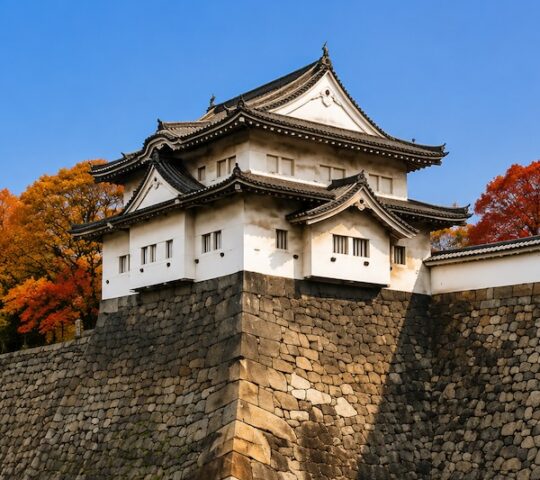
 Most visitors come to Osaka Castle for its panoramic views, imposing stone walls, and connections to Toyotomi Hideyoshi. This summer, however, two temporary exhibitions inside Osaka Castle Museum offer a chance to explore lesser-known stories that shaped both Osaka and Japan.
Running through July 22 and 23, the exhibitions The Rise and Fall of the Tokugawa Shogunate, The Rise and Fall of Osaka and The Names of the Warring States examine two very different aspects of Japanese history. Together, they add fresh context to the people, politics, and social customs that defined the centuries surrounding Osaka Castle.
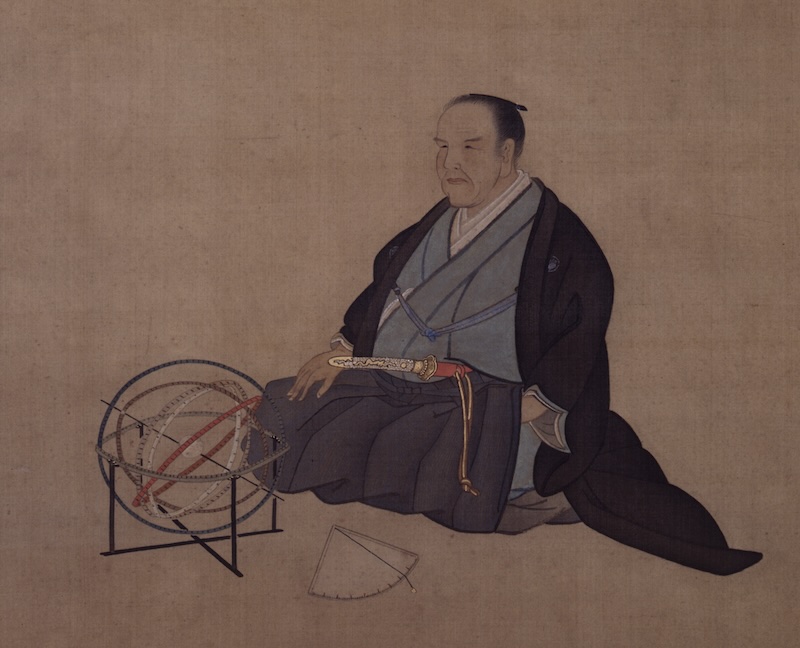
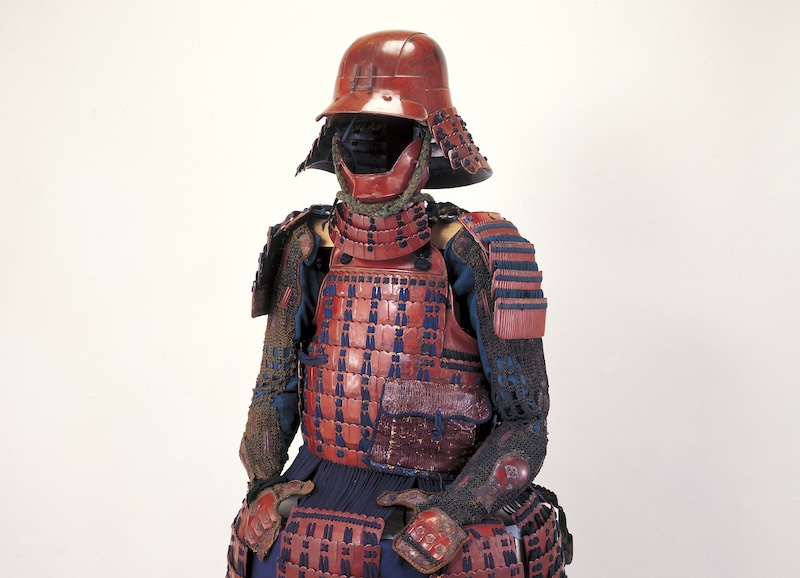
 The larger exhibition traces the fortunes of the Tokugawa shogunate through the lens of Osaka’s history. Beginning with Tokugawa Ieyasu’s victory in the Osaka Summer Campaign and the destruction of the Toyotomi clan, the exhibition follows Osaka’s reconstruction, prosperity, and eventual transformation as the power of the shogunate declined. Artifacts on display include armor associated with Tokugawa forces during the Osaka campaigns and a portrait of Oshio Heihachiro, whose famous rebellion foreshadowed the final years of shogunal rule.
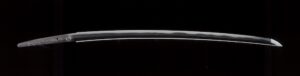
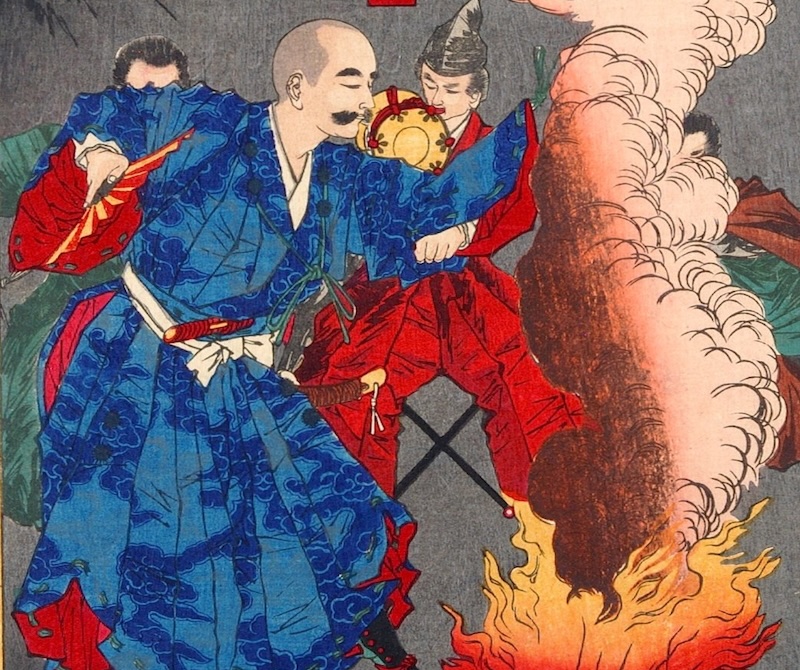
On the museum’s fourth floor, The Names of the Warring States explores an aspect of Japanese history that often surprises modern visitors. During the Sengoku period, names were far more fluid than they are today. Individuals could acquire new names as their status changed, receive characters from powerful patrons, or adopt titles that reflected their position within society. Through documents, prints, and artifacts, the exhibition reveals how names functioned as symbols of identity, authority, and social connection.
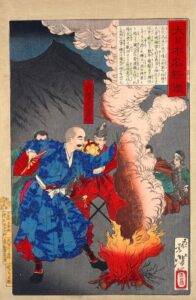 While the two exhibitions focus on different themes, both encourage visitors to look beyond the familiar stories of castles and battles. One examines the rise and decline of political power in Osaka, while the other explores how people presented themselves and were recognized within society. Together, they provide a deeper understanding of the world that surrounded Japan’s most famous warlords and the city they fought to control.
For visitors already planning a trip to Osaka Castle, these exhibitions offer a timely reason to spend extra time inside the museum. With both displays ending in July, they provide a limited opportunity to discover a different side of Osaka’s history before they close.

 The Rise and Fall of the Tokugawa Shogunate – Follow Osaka’s story from the fall of the Toyotomi through the decline of Tokugawa rule.
The Names of the Warring States – Discover how names reflected status, identity, and social position during the Sengoku period.
Artifacts From Osaka’s Past – View armor, documents, prints, and other historical materials connected to Japan’s age of samurai and shoguns.
Beyond Castles and Battles – Explore the political, social, and cultural history behind some of Japan’s most famous historical figures.
A New Reason to Revisit – Temporary exhibitions give returning visitors something new to discover inside Osaka Castle before they close in July.
Photos: Osaka Castle Museum
Maps
Opening Hours
THE SCENE: FAQ’s
ACCESS
Venue: Osaka Castle Museum – 4F Exhibition Room
Address:
1-1 Osakajo, Chuo-ku, Osaka 540-0002
Nearest Stations
Osaka Metro Tanimachi Line / Chuo Line → Tanimachi 4-chome Station
Exit 1-B → Approximately 15–20 minutes on foot
Osaka Metro Chuo Line / Nagahori Tsurumi-ryokuchi Line → Morinomiya Station
Exit 3-B → Approximately 15 minutes on foot
JR Osaka Loop Line → Osakajokoen Station
Approximately 15 minutes on foot
JR Osaka Loop Line → Morinomiya Station
Approximately 15 minutes on foot
The exhibitions are located inside Osaka Castle Museum on the fourth floor of the main tower and are included with regular museum admission.
SCHEDULE
Exhibition Period
May 23 – July 23, 2026
Museum Hours
9:00–18:00
Last Admission: 17:30
Visitors may view both exhibitions during normal Osaka Castle Museum operating hours.
ADMISSION
The exhibitions are included with regular Osaka Castle Museum admission.
Admission Fees
Adults: ¥1,200
University & High School Students: ¥600
Junior High School Students & Younger: Free
Official Information
Osaka Castle Museum
https://www.osakacastle.net/
Women Who Lived Through the Sengoku Period
https://www.osakacastle.net/exhibition/standing/detail.html?id=182
Names of the Sengoku Period
https://www.osakacastle.net/exhibition/standing/detail.html?id=183
THE EXPERIENCE
These temporary exhibitions offer a deeper look at the people, politics, and social customs behind the history visitors encounter throughout Osaka Castle. Rather than focusing solely on famous battles and castle architecture, they explore how power was gained, maintained, and remembered across some of Japan’s most transformative centuries.
- Follow the rise and decline of the Tokugawa shogunate through the history of Osaka.
- Learn how the fall of the Toyotomi clan reshaped the city after the Osaka Summer Campaign.
- View armor, documents, prints, and historical artifacts from the museum’s collection.
- Discover how names reflected status, identity, and social relationships during the Sengoku period.
- Explore two exhibitions during a single visit to Osaka Castle Museum.
- Gain additional context for the era of Tokugawa Ieyasu, Toyotomi Hideyoshi, and Japan’s age of samurai.
Together, the exhibitions add historical depth to a visit to Osaka Castle, revealing stories that extend beyond the castle walls and into the lives of the people who shaped Japan’s past.
INFO & TIPS
INFO & TIPS
Many visitors head straight to Osaka Castle’s observation deck and permanent exhibits, but these temporary displays offer an opportunity to explore aspects of Japanese history that are not typically covered during a standard castle visit. The exhibitions work best as a complement to the museum’s main collection, adding context to the people, politics, and social customs behind the Sengoku and Tokugawa eras.
- Allow extra time beyond your normal castle visit if you plan to see both exhibitions.
- Visit before July 22–23, 2026, as both exhibitions are temporary and close in late July.
- Explore the 3F Tokugawa exhibition before visiting the 4F Sengoku names exhibition for a broader historical perspective.
- Take time to examine the featured documents, prints, and artifacts, which help illustrate how power, identity, and status were understood in premodern Japan.
- Consider combining your visit with a walk through Osaka Castle Park and the surrounding historical grounds.
- Morning visits often provide a quieter museum experience than mid-afternoon hours.
- Both exhibitions are included with regular Osaka Castle Museum admission, making them an easy addition to any castle visit.
For repeat visitors, the exhibitions provide a rare chance to see something new inside one of Osaka’s most visited landmarks while gaining a deeper understanding of the people and events that shaped the city.