Before Dotonbori Had Neon
Meet Meiji-era showman Okuda Benjiro, whose acrobats, magicians and international performers helped turn Sennichimae from the site of a cemetery and execution ground into one of Osaka’s great entertainment districts.
 Before the theaters, comedy clubs, arcades and neon signs, one of the busiest entertainment districts beside Dotonbori was associated with something very different: the dead.
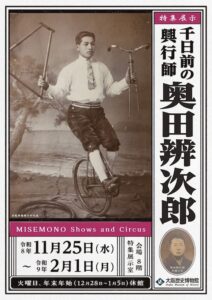
The Showman of Sennichimae: Okuda Benjiro, at the Osaka Museum of History from November 25, 2026 through February 1, 2027, tells the story of an entertainment promoter who helped transform the neighborhood during the Meiji era.
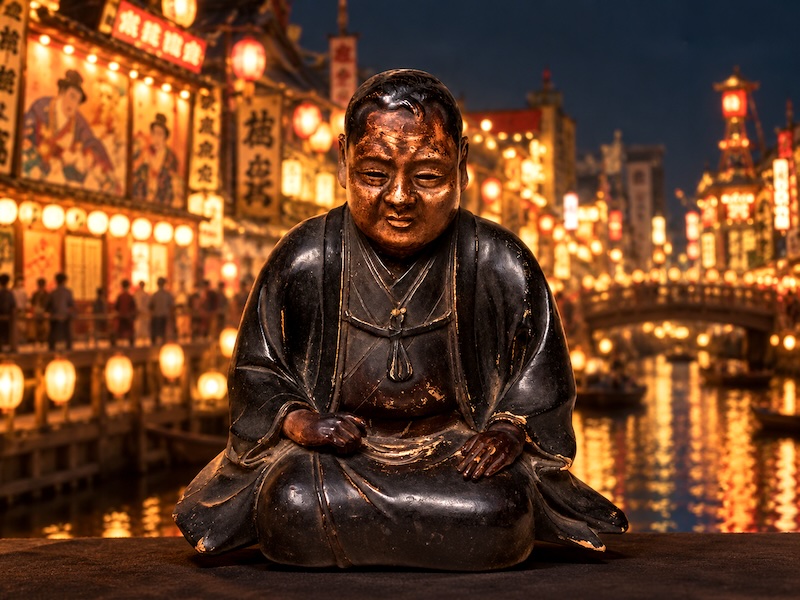
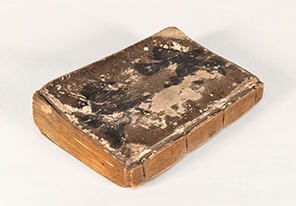 Through approximately 40 objects—including photographs, business records, a remarkable guest register and Benjiro’s wooden portrait—the exhibition reconstructs both a showman’s life and an Osaka entertainment district being reinvented around him.
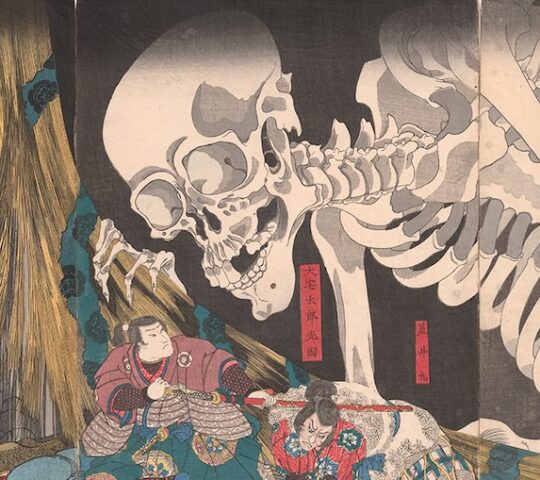
During the Edo period, Sennichimae, beside Dotonbori in today’s Minami, contained a major cemetery, cremation ground and execution ground. Dotonbori already had an established theater culture, but Sennichimae followed a different path. After the cemetery was relocated in the early Meiji era, entertainment businesses moved in and a place associated with death rapidly became a destination for amusement.
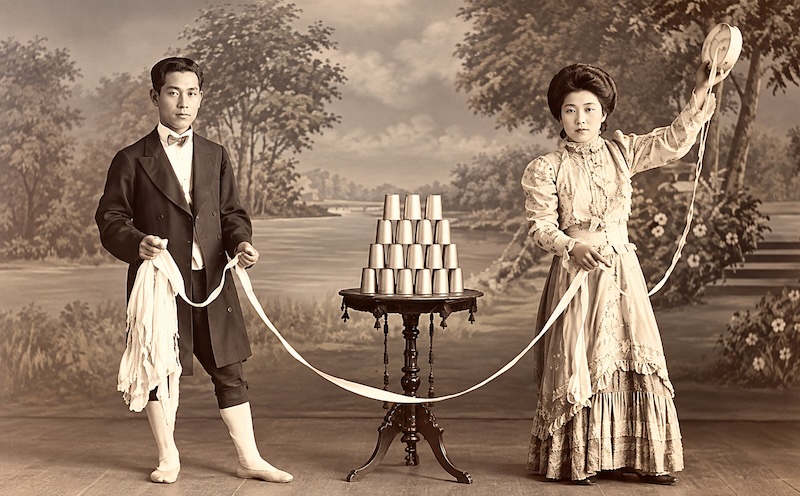
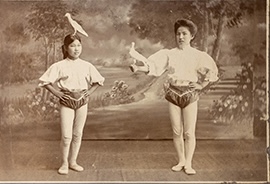 Okuda Benjiro (1837–1898) and his family operated Okuda-seki, a venue specializing in acrobatics. Around them, Sennichimae offered everything from comic performance and female gidayu storytelling to equestrian acts, magic and lifelike iki-ningyo figures. The Okudas worked with foreign performers and even took shows to Taiwan. Surviving records reveal not just the spectacle but the business behind it, including receipts, ticket prices and audience numbers.
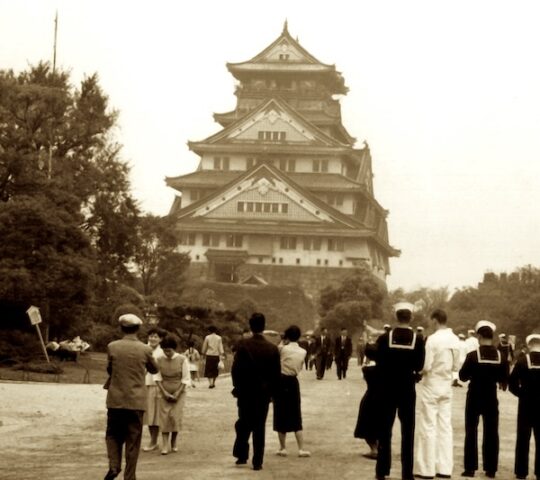
 That geography survives today. Sennichimae sits beside Dotonbori between Namba and Nippombashi, and the Osaka Metro Sennichimae Line still carries its name. Okuda-seki stood roughly between those two present-day stations, amid an area still defined by theaters, comedy, restaurants, shopping and crowds.
The exhibition also opens into the Osaka Museum of History itself. Its permanent galleries trace the city across centuries, while the seventh floor recreates scenes from the old Dotonbori and Sennichimae theater districts. With the special exhibition included in regular admission, Benjiro’s story becomes an entry point into the much larger story of Osaka.

 From Cemetery to Show Town – Discover how Sennichimae transformed into one of Osaka’s great entertainment districts.
Meet the Showman – Follow Okuda Benjiro and his family through photographs, records and objects from their entertainment business.
A World of Spectacle – Explore an era of acrobats, magicians, equestrian acts, storytellers and lifelike iki-ningyo figures.
International Entertainment – See how foreign performers came to Osaka while the Okudas took their own shows as far as Taiwan.
Then & Now – Connect Meiji-era Sennichimae with the Dotonbori, Namba and Nippombashi entertainment district visitors know today.
Photos: Osaka Museum of History Website, Osaka Scene Staff
WHAT ELSE IS HAPPENING IN OSAKA?
Discover events, exhibitions, festivals, concerts, culture & more.

Follow @osakascene on Instagram
Maps
Contact
Opening Hours
THE SCENE: FAQ’s
ACCESS
Venue
Osaka Museum of History — 8F Special Exhibition Room
Address
4-1-32 Otemae, Chuo-ku, Osaka 540-0008
Trains
Keihan → Temmabashi Station
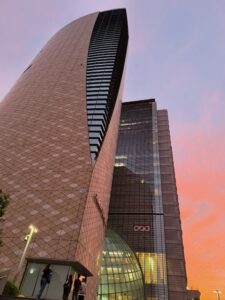
Walk approximately 15 minutes south toward Osaka Castle and Naniwa Palace. The museum is the distinctive tall oval building adjoining the NHK Osaka Broadcasting Center.
Subways
Metro Tanimachi / Chuo Lines → Tanimachi 4-chome Station
Use Exit 2 or Exit 9. The museum is approximately a 5-minute walk from the station, beside Naniwa Palace Site Park.
◷ FROM CENTRAL OSAKA
From Namba — about 20–25 minutes
Take the Metro Sennichimae Line to Tanimachi 9-chome ↔ Tanimachi Line to Tanimachi 4-chome, then walk approximately 5 minutes.
From Osaka/Umeda — about 20 minutes
Take the Metro Tanimachi Line directly from Higashi-Umeda to Tanimachi 4-chome, then walk approximately 5 minutes.
SCHEDULE
Exhibition Dates
November 25, 2026–February 1, 2027
Hours
09:30–17:00
Last admission: 16:30
Closed
Tuesdays
December 28–January 4
The exhibition can be viewed throughout regular museum hours. No timed entry is required.
TICKETS
The Showman of Sennichimae: Okuda Benjiro is included with regular admission to the Osaka Museum of History permanent exhibition. No separate exhibition ticket is required.
Adults: ¥600
High school & university students: ¥400
Junior high school students and younger: Free
Tickets can be purchased at the museum on the day of your visit. No advance reservation is required for the exhibition.
Museum admission information:
https://www.osakamushis.jp/visit/fee.html
THE EXPERIENCE
The exhibition uses the story of one showman and his family to open a window onto the birth of modern Sennichimae.
- See photographs, business records and personal objects from the Okuda family collection.
- Discover the acrobats, magicians, equestrian acts and other performers who entertained Meiji-era Osaka.
- Examine records revealing the business behind running popular entertainment.
- Connect historic Sennichimae with present-day Dotonbori, Namba and Nippombashi.
- Continue into the museum’s permanent galleries, including displays recreating Osaka’s historic theater districts.
The result connects one family’s show business with the entertainment culture that still defines Minami today.
INFO & TIPS
See the Permanent Museum
Don’t stop after the special exhibition. Regular admission also covers the permanent galleries, which trace Osaka from ancient Naniwa through the early-modern merchant city and into modern Osaka.
Continue the Sennichimae Story
The museum’s seventh-floor galleries include recreations of the historic Dotonbori and Sennichimae theater districts, making them a particularly worthwhile companion to the Benjiro exhibition.
Last Admission
The museum closes at 17:00, with last admission at 16:30. Arrive earlier if you intend to see both the special exhibition and permanent collection.
Photography
Photography rules vary by gallery and object. Follow the signage inside the exhibition; photography may be prohibited for individual materials.
Accessibility
Elevators serve the exhibition floors, and wheelchairs and baby strollers are available to borrow subject to availability.
Lockers
Coin-operated lockers are available for visitors. Large luggage may require separate arrangements.
Osaka Museum of History
Telephone: 06-6946-5728
https://www.osakamushis.jp/