Dynamic Ming Dynasty Calligraphy
Discover centuries of artistic treasures at Osaka City Museum of Fine Arts, where a remarkable Ming dynasty calligraphy exhibition brings historic masterpieces and unexpected stories to life.
 In Chinese calligraphy, a brushstroke can be as revealing as a portrait. The pressure of the brush, the speed of a movement, even the space between characters can express an artist’s personality. At Osaka City Museum of Fine Arts, Dynamic Ming Dynasty Calligraphy brings that expressive tradition to life through 82 works from Taipei’s He Chuangshi Collection, including 72 making their Japanese debut.
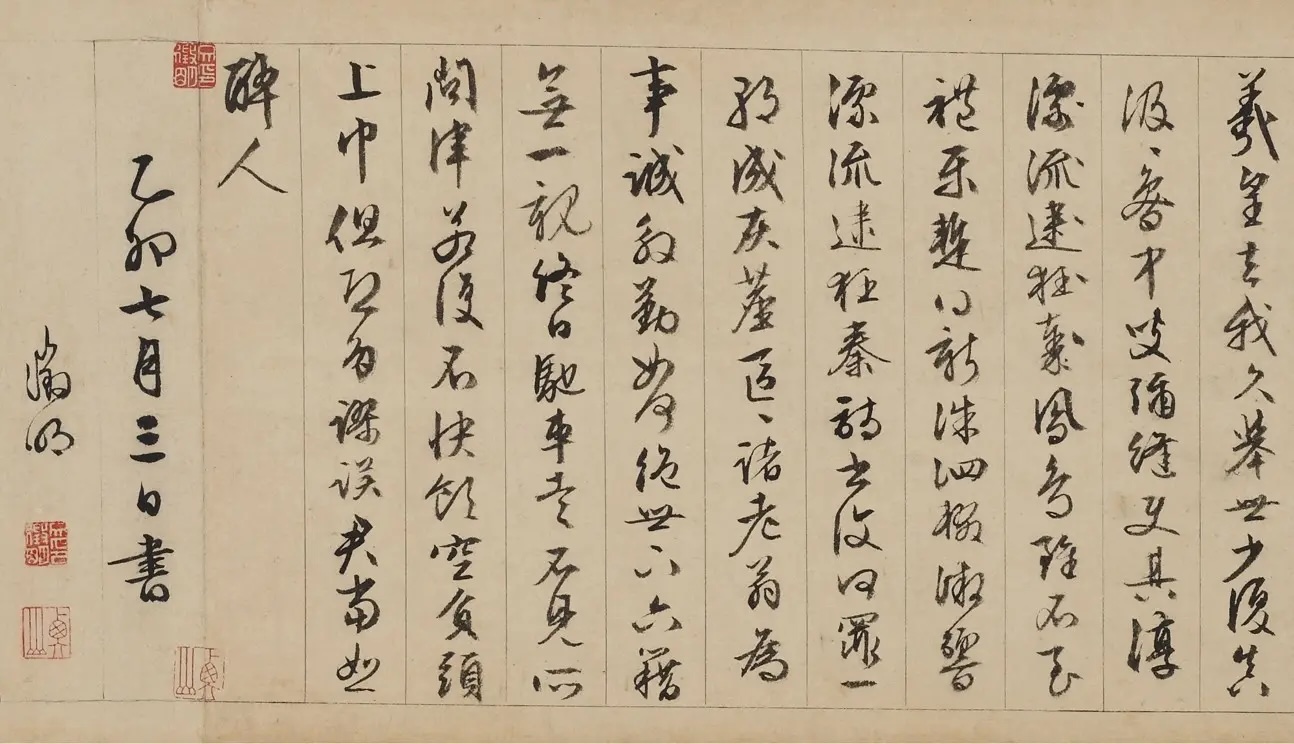
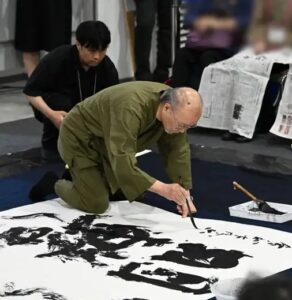 Running through December 20, the exhibition explores a remarkable period of artistic individuality during China’s Ming dynasty (1368–1644) and its transition into the Qing era. Visitors can examine centuries-old scrolls, handwritten poems, and expressive works of calligraphy, discovering how individual artists developed distinctive styles through brush and ink.
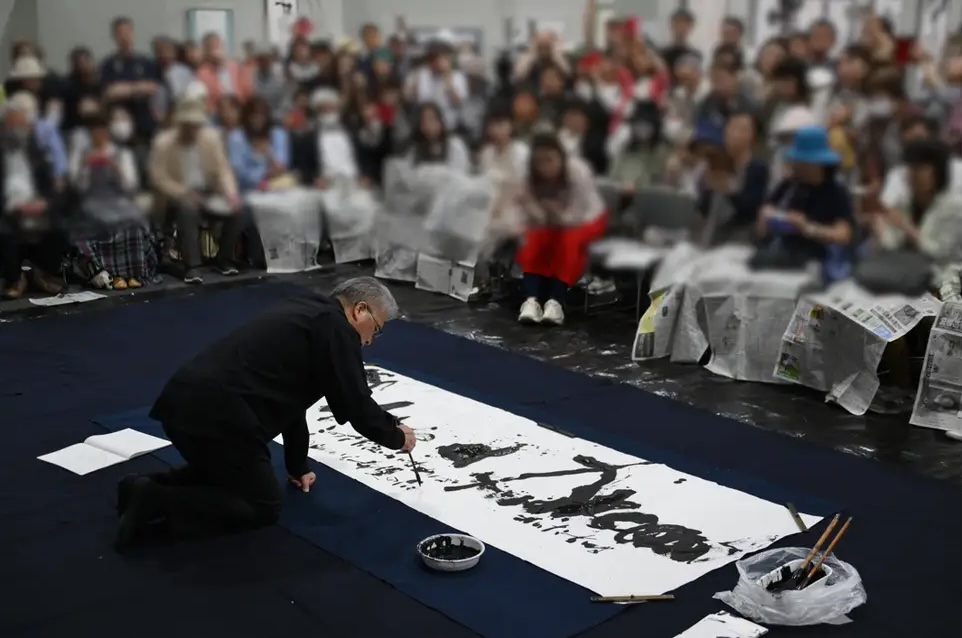
On November 21–22, live demonstrations bring the tradition into the present as contemporary Japanese calligraphers show how movement, pressure, and rhythm shape each character.
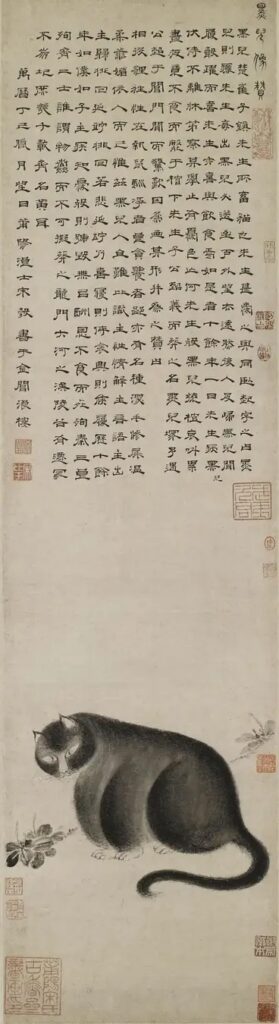 Among the more unexpected discoveries is a work from 1617 commemorating a beloved black cat named Heier. More than 400 years before Japan’s beloved Hachikō became a symbol of loyalty, Heier inspired a remarkably similar story of devotion. Whenever his owner, Cui Zizhen, left home, Heier accompanied him to the door. When Cui returned, the cat recognized his footsteps and rushed to greet him. They even shared meals. After Cui died, the grieving cat reportedly refused to eat and eventually died beneath his master’s coffin. His extraordinary loyalty was immortalized in a calligraphic tribute created in 1617. That very work is among the pieces on display, preserving a story of love and loyalty more than four centuries old.
Among the featured masters are philosopher Wang Yangming, whose sweeping cursive script dates to 1519, and Wen Zhengming, whose elegant transcription of classical poetry was created in 1555. The dramatic brushwork of Wang Duo offers another perspective on an art form that goes far beyond beautiful handwriting.
These artistic traditions also crossed the sea to Japan. During the Edo period, Chinese calligraphy influenced the popularity of karayō, a Chinese-inspired style that continues to inform Japanese calligraphic practice.
A Museum Built by the People of Osaka
Behind this extraordinary collection stands a museum with an equally compelling story.
When Osaka City Museum of Fine Arts opened in 1936, it owned no artworks. Temples, shrines, and private collectors supplied the treasures that filled its galleries. Over nine decades, donations and acquisitions transformed that beginning into a collection of approximately 8,900 works, with internationally recognized strengths in Chinese painting, calligraphy, and Buddhist sculpture.
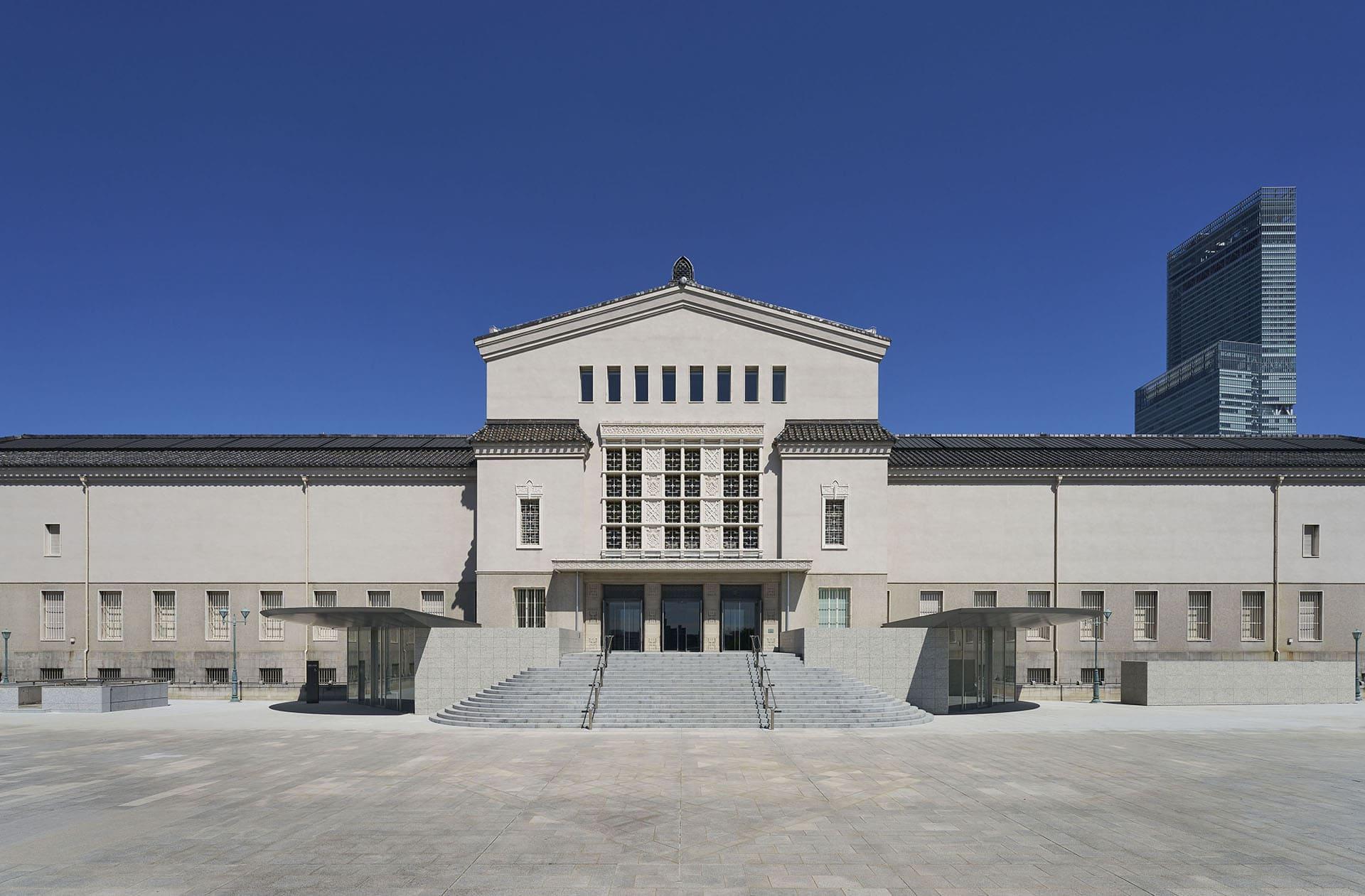
The museum itself occupies land donated by the Sumitomo family from its former Tennoji estate. Its stately 1930s building, now a registered Tangible Cultural Property, reopened in March 2025 following an extensive renovation that preserved its historic character while refreshing the galleries.
Today, rotating exhibitions bring different chapters of Japanese and East Asian art into focus. Surrounded by Tennoji Park and neighboring Keitakuen Garden, the museum offers a place to discover centuries of artistic expression in one of Osaka’s most distinctive cultural landmarks.

 82 Ming Dynasty Treasures – Discover centuries-old calligraphy including 72 works making their Japanese debut.
The Remarkable Story of Heier – See a 1617 calligraphic tribute to a loyal black cat whose devotion recalls the story of Japan’s Hachikō.
Calligraphy Comes Alive – Watch contemporary Japanese calligraphers demonstrate their brush techniques during special sessions.
90-Year History – Explore an institution that opened in 1936 and grew into a treasure house of East Asian art.
A Historic Tennoji Landmark – Experience the beautifully renovated 1930s museum building, surrounded by Tennoji Park and Keitakuen Garden.
Image Credit: He Chuangshi Calligraphy Art Foundation / Osaka City Museum of Fine Arts
WHAT ELSE IS HAPPENING IN OSAKA?
Discover events, exhibitions, festivals, concerts, culture & more.

Follow @osakascene on Instagram
Maps
Contact
Opening Hours
THE SCENE: FAQ’s
ACCESS
Venue: Osaka City Museum of Fine Arts (大阪市立美術館)
Address: 1-82 Chausuyamacho, Tennoji-ku, Osaka 543-0063
The museum is located inside Tennoji Park, approximately 400 meters northwest of the Tennoji transportation hub.
TRAINS
- JR Osaka Loop Line / Yamatoji Line / Hanwa Line → Tennoji Station, Central Gate (中央口改札) → Park Exit → museum.
- Kintetsu Minami Osaka Line → Osaka-Abenobashi Station, West Gate (西改札口) → Tennoji Park → museum.
SUBWAYS
- Osaka Metro Tanimachi Line → Tennoji Station, Exits 15–17 → Tennoji Park → museum.
- Osaka Metro Midosuji Line → Tennoji Station, West Gate (西改札) → Tennoji Park → museum.
FROM CENTRAL OSAKA
From Namba: Osaka Metro Midosuji Line → Tennoji Station, West Gate → museum. Approximately 15–20 minutes, including walking.
From Osaka-Umeda: Osaka Metro Midosuji Line → Tennoji Station, West Gate → museum. Approximately 25–30 minutes, including walking.
Both subway routes are direct, without transfers.
Accessibility: The museum provides illustrated, step-free directions from the major stations. For the Tanimachi Line, an elevator is available beyond Exit 16 via the South Gate.
Official Access & Illustrated Directions:
https://www.osaka-art-museum.jp/access
SCHEDULE
CURRENT SPECIAL EXHIBITION
Dynamic Ming Dynasty Calligraphy — Treasures from Taipei’s He Chuangshi Collection
Dates: October 9–December 20, 2026
Hours: 09:30–17:00
Last Admission: 16:30
Closed: Mondays, except national holidays. Open Monday, November 23; closed Tuesday, November 24.
SPECIAL PROGRAMMING
Live calligraphy demonstrations featuring contemporary Japanese calligraphers are scheduled for November 21–22.
Saturday, November 21
- 13:00–13:40
- 15:00–16:00
Sunday, November 22
- 13:00–13:40
- 15:00–15:40
Attending the Demonstrations
The demonstrations take place in the second-floor south exhibition room. Admission is included with the exhibition ticket; no advance reservation is required. Numbered tickets are distributed at the entrance 45 minutes before each session. A separate ticket is required for each session, and attendance may be limited by capacity.
The museum’s permanent operating schedule is generally 09:30–17:00, with Mondays closed except on national holidays. Special exhibition dates and programming change throughout the year.
Official Exhibition Schedule:
https://www.osaka-art-museum.jp/special_exhibition/mindai
TICKETS
CURRENT SPECIAL EXHIBITION
Dynamic Ming Dynasty Calligraphy
- Adults: ¥2,000
- University/High School Students: ¥1,200
- Elementary/Junior High School Students: ¥500
- Preschool Children: Free
Advance reservations are not required. Tickets are available at the museum entrance and through authorized online ticketing services.
Admission includes same-day access to the museum’s accompanying collection exhibitions.
Visitors with qualifying Japanese disability documentation and one accompanying caregiver receive free admission. Osaka City residents aged 65 and older pay the regular adult price for this special exhibition.
REGULAR COLLECTION EXHIBITIONS
- Adults: ¥500
- University/High School Students: ¥200
- Junior High School Students and Younger: Free
Eligible Osaka City residents aged 65 and older receive free admission to regular collection exhibitions.
KEITAKUEN GARDEN COMBINATION TICKET
Adults: ¥600
University/High School Students: ¥300
Includes admission to the museum’s regular collection exhibitions and neighboring Keitakuen Garden. Special exhibitions are not included.
WHERE TO BUY
Official Online Tickets:
https://www.e-tix.jp/osaka_city_museum/
Lawson Ticket: L-code 52237
Ticket Pia: P-code 687-479
Discount: Present an Andrew Wyeth Exhibition ticket or stub at the museum counter for ¥100 off adult admission to Dynamic Ming Dynasty Calligraphy. This discount cannot be combined with other offers.
THE EXPERIENCE
What else can visitors discover at Osaka City Museum of Fine Arts?
Beyond the current special exhibition, the museum offers opportunities to explore Japanese and East Asian art, discover unusual historical objects, and experience a landmark building that has been part of Osaka’s cultural life since 1936.
Six experiences worth exploring:
- Chinese Buddhist Sculpture: Discover a collection featuring sculptures associated with celebrated Chinese cave-temple traditions, including Yungang, Longmen, and Tianlongshan. The museum’s holdings are particularly renowned for their historical importance.
- Japanese Painting: Explore changing displays of Japanese paintings, including works that reveal the development of artistic styles, techniques, and subjects across different periods.
- Chinese Painting and Calligraphy: Beyond the current exhibition, the museum’s own collections offer opportunities to discover the artistic traditions that connected Chinese scholars, painters, and calligraphers across centuries.
- Ceramics and Decorative Arts: Look for exhibitions featuring ceramics, lacquerware, metalwork, and other objects that demonstrate the craftsmanship and artistic exchange of East Asia.
- The Renovated Museum: Explore the historic 1930s building, which reopened in March 2025 following an extensive renovation. Its architecture and central hall are part of the experience, even for visitors who do not enter an exhibition.
- Tennoji’s Cultural Landscape: Combine a museum visit with neighboring Keitakuen Garden, a traditional Japanese landscape garden, or explore the surrounding Tennoji Park.
Currently on display: Dynamic Ming Dynasty Calligraphy presents 82 works from Taipei’s He Chuangshi Collection, including 72 appearing in Japan for the first time. The exhibition includes Song Jue’s remarkable 1617 memorial to the black cat Heier.
Collection displays rotate throughout the year, so the specific works available during a visit may differ. Check the museum’s exhibition calendar before traveling.
INFO & TIPS
What should visitors know before visiting?
- Photography: Photography is generally prohibited inside exhibition galleries unless specifically permitted. Photography is allowed in designated public areas, including the central hall. Video recording is prohibited.
- Lockers: Refundable ¥100 coin lockers are available on B2, B1, and 1F. Large bags should be stored before entering the galleries.
- Museum Café: ENFUSE Osaka is located on the first floor. Visitors can generally use the café without purchasing an exhibition ticket.
- Museum Shop: Located on B1, the shop sells exhibition merchandise and museum-related products. Admission is not required to visit.
- Accessibility: The museum provides elevators, accessible routes, wheelchair loans, and a nursing room. Wheelchair users and visitors with strollers can consult the museum’s illustrated station-to-museum directions.
- Gallery Rules: Exhibition galleries do not permit reentry. Food and drinks are prohibited inside the galleries, and only pencils may be used for note-taking.
CONTACT INFO
Osaka City Museum of Fine Arts
Official Website:
https://www.osaka-art-museum.jp/
Visitor Information:
https://www.osaka-art-museum.jp/information
Accessibility & Directions:
https://www.osaka-art-museum.jp/access
Current Exhibition:
https://www.osaka-art-museum.jp/special_exhibition/mindai