Expo ’70 Park Autumn Leaf Festival
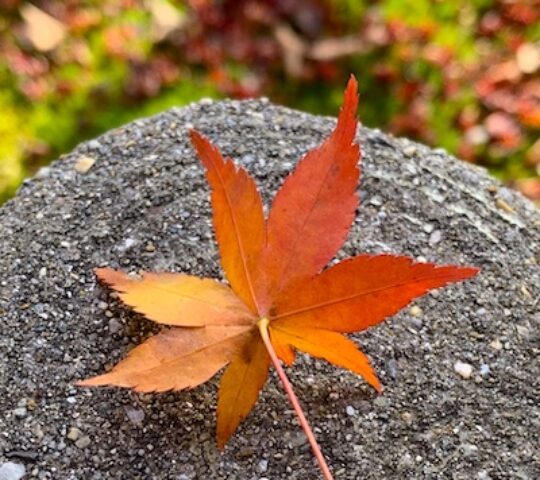
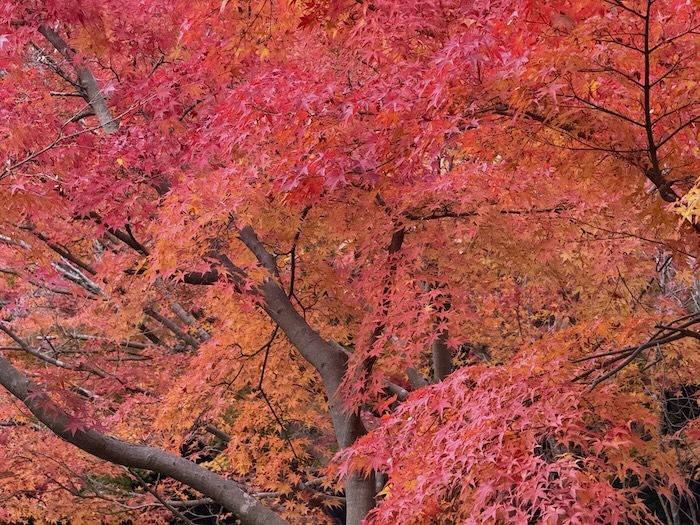
Every autumn, the sprawling grounds of Expo ’70 Commemorative Park transform into one of Kansai’s grandest stages for nature’s finale—10,000 trees painting a living masterpiece of scarlet maples, golden ginkgoes, and shimmering cypress.
Autumn in Osaka means crisp air, warm food stalls, and the irresistible draw of changing leaves. At Expo ’70 Commemorative Park in Suita, the site of Japan’s famed 1970 World Expo, that transformation reaches its peak during the Autumn Leaf Festival (紅葉まつり). Across the park’s sprawling grounds, the festival invites visitors to wander through glowing avenues of maple, plane trees, and ginkgo, their colors reflecting in ponds and cascading over stone bridges.
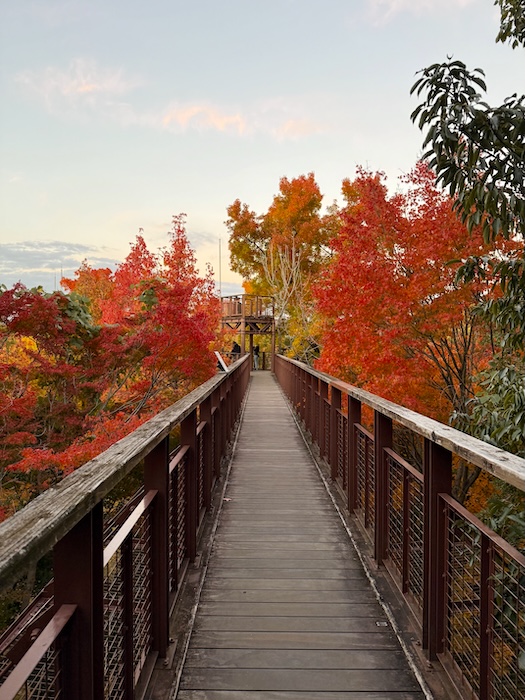
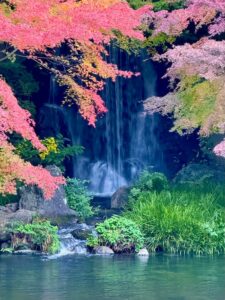 The most popular viewing spots are Momiji-dani (Maple Valley) and Nishioji Street, where arching trees form tunnels of red and gold. In the Japanese Garden, maples frame quiet ponds and streams, while Komorebi Falls—a two-tier waterfall surrounded by trees that turn deep red—adds another classic autumn scene. The Tower of the Sun rises above the canopy, adding a distinctly Osaka contrast between nature and modernist architecture.
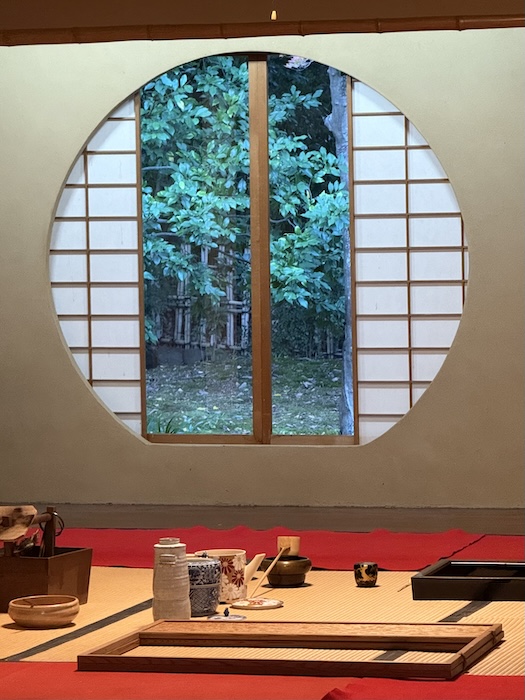
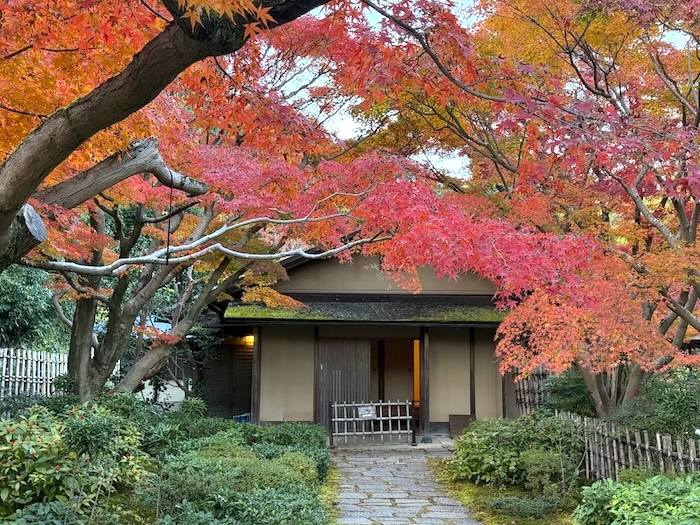
The Japanese Garden itself was created for Expo ’70 as a showcase of Japanese landscape design, moving through centuries of garden styles across its expansive grounds. Registered as a national scenic monument in 2024, it becomes especially striking in autumn as maples color its streams, ponds, and waterfalls. Traditional tea houses Han’an and Banrian add another layer to the experience. In past editions, the tea houses have opened specially during the Autumn Leaf Festival, offering visitors the chance to enjoy matcha and seasonal wagashi surrounded by the changing leaves.
Beyond the foliage, the festival has traditionally included seasonal food stalls, cultural performances, and hands-on activities. In past years, visitors have found everything from takoyaki and oden to international treats, while weekend stages have featured live music and traditional arts. Nighttime light-ups have also extended the experience after sunset, illuminating the gardens in warm tones. These elements have been consistent in recent years, and visitors can expect a similar mix of culture, nature, and conviviality.
Peak foliage usually arrives in mid-to-late November, though the exact timing depends on the weather. For the richest color, plan your visit around the second or third weekend of the month. Pair the festival with a stop at EXPOCITY or the Tower of the Sun museum for a full day in Suita. Whether you come for the colors, the culture, or simply a slow walk under a canopy of red and gold, the Expo ’70 Autumn Leaf Festival is one of Osaka’s most rewarding ways to experience the season.

 Scale of Color: About 10,000 trees of 20 species including maples, ginkgo, cypress, and sycamore.
Iconic Spots: Maple Valley, Nishioji Street, and the expansive Japanese Garden.
Tea Houses: Special openings of Han’an and Banrian, often with tea ceremonies.
Family Fun: Weekend markets, food stalls, and cultural performances.
Evergreen Setting: The 1970 Expo grounds blend history with seasonal beauty.
Photos: Osaka Scene Staff
WHAT ELSE IS HAPPENING IN OSAKA?
Discover events, exhibitions, festivals, concerts, culture & more.

Follow @osakascene on Instagram

THE SCENE: FAQ’s
ACCESS
Venue: Expo ’70 Commemorative Park
Address: 1-1 Senribanpakukoen, Suita, Osaka 565-0826
Trains
Osaka Monorail → Bampaku-kinen-koen Station
The park entrance is about a 5-minute walk from the station.
Subways
Metro Midosuji Line → Senri-Chuo Station ↔ Osaka Monorail → Bampaku-kinen-koen Station
This is the simplest subway route from central Osaka.
◷ FROM CENTRAL OSAKA
From Namba — about 50–60 minutes
Take the Metro Midosuji Line to Senri-Chuo ↔ Osaka Monorail to Bampaku-kinen-koen Station.
From Osaka/Umeda — about 40–50 minutes
Take the Metro Midosuji Line from Umeda to Senri-Chuo ↔ Osaka Monorail to Bampaku-kinen-koen Station.
The park is enormous. For the Autumn Leaf Festival, allow extra time to reach the Japanese Garden, Momiji Valley and other foliage areas after entering.
SCHEDULE
2026 Expected Festival Window
November 1–December 10
Official 2026 festival dates have not yet been announced.
Park Hours
09:30–17:00
Last admission: 16:30
Best Foliage
Colors develop at different times across the park. Plane trees can begin changing from late October, while Japanese maples typically become strongest from mid- to late November and some foliage continues into early December.
2025 Festival
November 1–30
The previous edition included special openings at the Han’an and Banrian tea houses along with additional cultural programming.
TICKETS
Adults
¥450
Middle School Age and Under
FREE
Regular admission includes the Natural and Cultural Gardens and Japanese Garden. The Autumn Leaf Festival has historically been included with regular park admission, although individual activities or tea experiences may carry separate charges.
Tea Experience
During the 2025 festival, Han’an offered a seasonal wagashi and matcha set for ¥700 from 10:00–16:00, with last reception at 15:30. No advance reservation was required; discounted admission-and-matcha tickets were sold at the park entrance gates.
INFO & TIPS
Best Timing
Mid- to late November is the safest target for the strongest overall autumn color, although different species change at different times and foliage can continue into December.
Solādo
The Solādo observation tower is currently closed for safety inspection. Do not plan your visit around the elevated tower view unless the park confirms it has reopened.
Walking
Expo ’70 Park is much larger than a typical city park. Comfortable shoes are recommended, especially if combining Momiji Valley, the Japanese Garden and other foliage areas.
Make a Day of It
The Tower of the Sun, EXPO ’70 Pavilion and EXPOCITY make it easy to build a full day around an autumn visit.
Official:
Expo ’70 Commemorative Park
Website: https://www.expo70-park.jp/