Inagawa’s Riverside Fireworks Festival
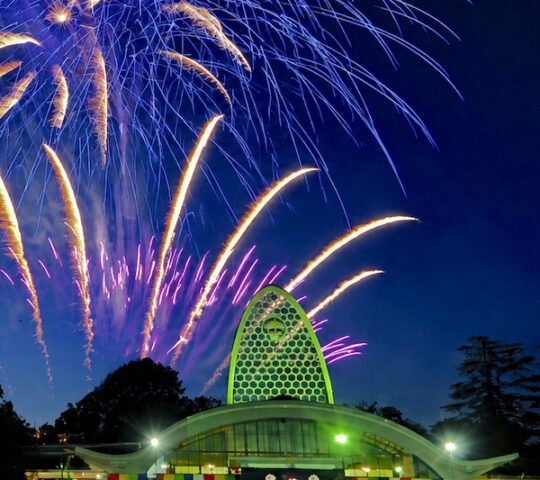
One of the Osaka region’s longest-running fireworks traditions returns on November 7, 2026 as the Inagawa Fireworks Festival reemerges along the Osaka–Hyogo border with cooler autumn air, riverside atmosphere, neighborhood crowds, and a renewed vision for preserving one of Kansai’s classic hanabi nights.
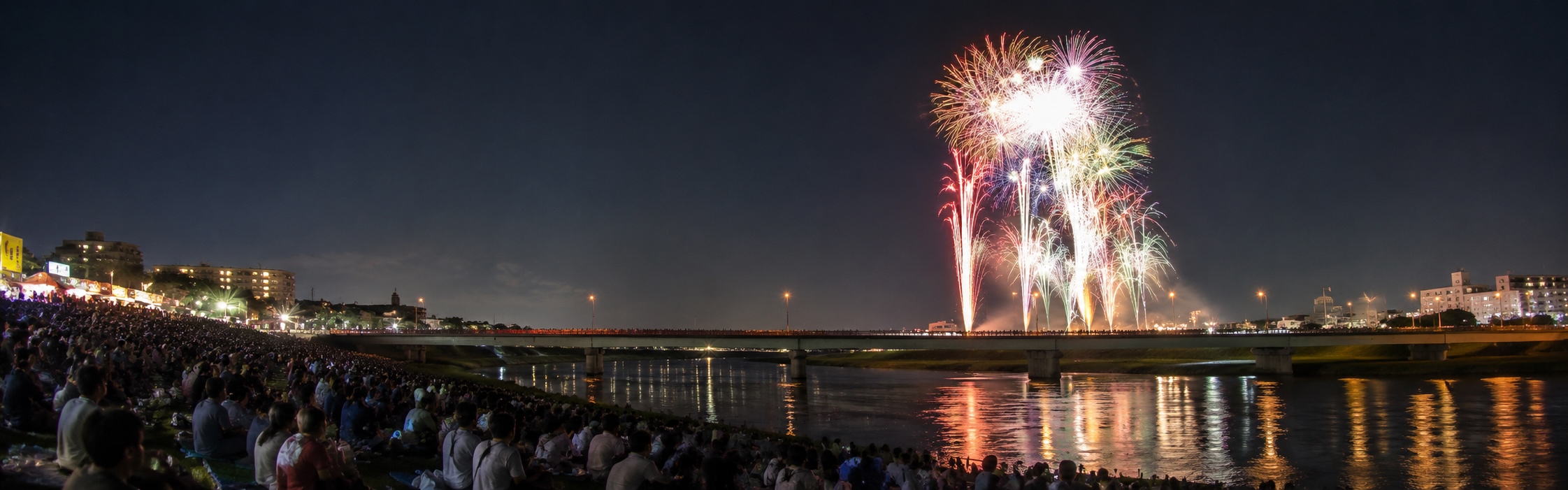
 As autumn settles across northern Osaka and cooler evening air finally replaces the intensity of Kansai summer heat, one of the region’s longest-running fireworks traditions prepares for a very different kind of return. The 77th Inagawa Fireworks Festival will be held on November 7, 2026 along the Inagawa riverbanks between Ikeda in Osaka Prefecture and Kawanishi in Hyogo Prefecture, marking a major turning point for a festival that for generations was associated with humid August nights, yukata crowds, riverside food stalls, and suburban summer memories stretching across both sides of the river.
That transition changes the atmosphere in meaningful ways. Instead of lingering midsummer humidity, the 2026 festival will unfold under cooler autumn skies where jackets and layered clothing may replace the peak-summer yukata crowds traditionally associated with Japanese fireworks season. At the same time, many of the event’s familiar elements remain intact. Official city materials confirm food stalls as part of the 2026 operation, and the overall flow of the evening still centers around gathering by the river before sunset, sharing food with family and friends, and waiting together for the fireworks to begin.
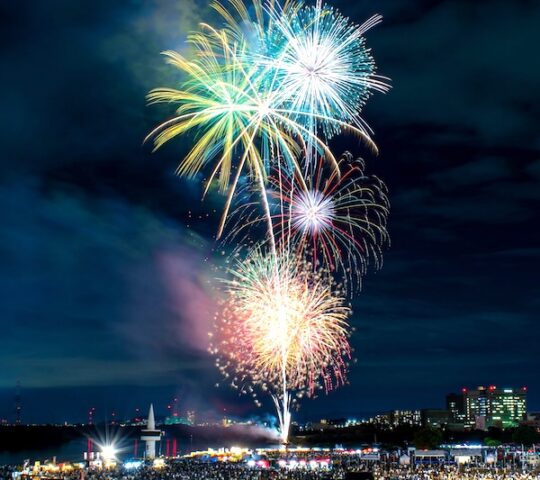
The practical layout of the festival still reflects that community-centered feeling. Visitors arrive gradually from Hankyu Ikeda Station on the Osaka side and from Hankyu Kawanishi-Noseguchi and JR Kawanishi-Ikeda stations on the Hyogo side before spreading naturally along both riverbanks. Instead of dense skyline canyons or highly controlled entertainment seating zones, the scenery here feels distinctly suburban Kansai: residential neighborhoods, local shopping streets, bridge crossings, riverside walking paths, and families slowly settling into viewing spots as evening approaches. The event officially begins with opening declarations and organizer greetings at 17:55 before approximately 4,000 fireworks launch from 18:00 to 18:30 above the river corridor separating the two cities.
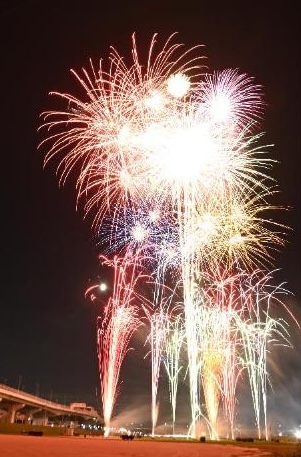
The fireworks themselves remain modest compared to giant productions like Yodogawa or the legendary scale of former PL Fireworks. But scale has never been the emotional center of Inagawa. Its identity comes from continuity, familiarity, and the feeling of an event woven directly into local life across generations. The move to autumn may ultimately reinforce that atmosphere rather than diminish it, creating a more physically comfortable environment while preserving the slower, family-centered rhythm that has sustained the festival since the postwar era.
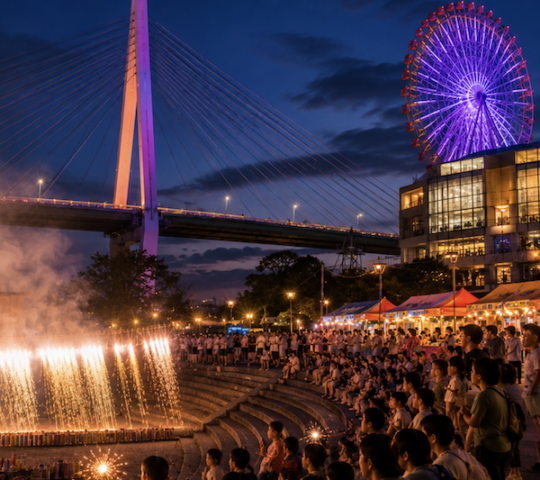
Founded in 1948, the Inagawa Fireworks Festival is one of the Osaka region’s oldest postwar fireworks traditions. For decades, families from across northern Osaka and neighboring Hyogo gathered along the river carrying picnic sheets, folding chairs, cameras, and convenience-store dinners as the embankments slowly filled before sunset. Food stalls and temporary riverside gathering areas became part of the rhythm of the evening, with children moving between snack stands while local residents crossed the bridges connecting Ikeda and Kawanishi. Unlike Osaka’s giant city-center fireworks spectacles, Inagawa built its identity around neighborhood atmosphere rather than overwhelming scale.
The 2026 edition represents a deliberate reinvention rather than a simple continuation. Official organizers from Ikeda City and Kawanishi City announced that the festival is moving from its traditional August schedule into November and shifting to a biennial format in response to rising operational costs and the increasing dangers of extreme summer heat. Rather than allowing one of Kansai’s most established local fireworks traditions to disappear entirely, organizers chose to restructure the event for long-term sustainability while preserving its role as a community gathering along the Inagawa river.
At a time when some historic fireworks events have disappeared entirely under the pressures of rising costs, safety concerns, and changing demographics, Inagawa offers a different path forward. The 2026 edition is not simply a fireworks festival returning after schedule adjustments. It is a long-running Kansai tradition actively adapting in order to survive — preserving neighborhood identity, river culture, and intergenerational memory while acknowledging the realities of modern Japan.

 Autumn Fireworks Return – The festival moves from summer into a new autumn format for 2026.
A Tradition Since 1948 – One of the Osaka region’s oldest postwar fireworks traditions enters its next era.
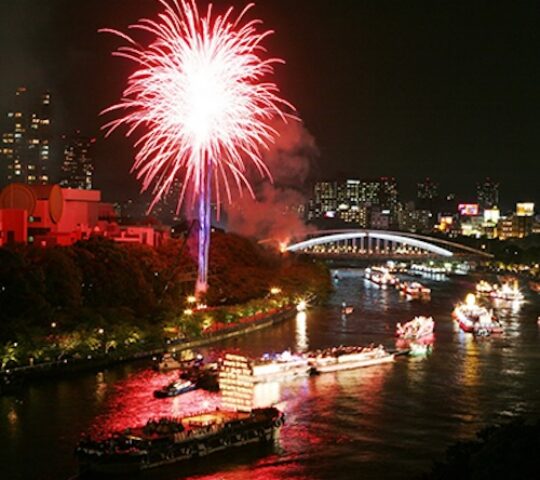
Osaka Meets Hyogo – The event unfolds along the river dividing Ikeda and Kawanishi across two prefectures.
A Community Festival First – Families, neighborhood crowds, food stalls, and riverside atmosphere remain central to the identity of the event.
Cooler Air, Different Mood – The move to November transforms the atmosphere from humid summer hanabi into crisp autumn night fireworks.
Reinventing A Kansai Tradition – Organizers shifted the schedule and format to preserve the festival for future generations.
Photos: Inagawa Fireworks Festival official Website
Maps
Contact
THE SCENE: FAQ’s
ACCESS
Where is the Inagawa Fireworks Festival held?
The festival is held along the Inagawa riverbed between Ikeda City in Osaka Prefecture and Kawanishi City in Hyogo Prefecture. Main viewing areas spread along the riverside embankments near Hankyu Ikeda Station, Hankyu Kawanishi-Noseguchi Station, and JR Kawanishi-Ikeda Station.
For visitors coming from central Osaka, the event is located in the northern suburban Osaka commuter corridor rather than inside the city center itself.
How do I get there from Osaka City?
The easiest route from central Osaka is usually:
Hankyu Takarazuka Line
Osaka-Umeda Station → Ikeda Station
Travel time is typically around 20–30 minutes depending on train type and transfers.
Visitors can also use:
JR Osaka Station → JR Kawanishi-Ikeda Station
via the JR Takarazuka Line.
Because large crowds are expected after the fireworks, many visitors choose routes through Ikeda Station on arrival and depart through Kawanishi-Noseguchi or JR Kawanishi-Ikeda afterward to avoid congestion.
What are the nearest stations?
Hankyu Takarazuka Line → Ikeda Station
Approximately 10 minutes on foot to the Osaka-side riverbank viewing areas.
Hankyu Takarazuka Line → Kawanishi-Noseguchi Station
Approximately 10 minutes on foot to the Hyogo-side viewing areas.
JR Takarazuka Line → Kawanishi-Ikeda Station
Approximately 15 minutes on foot to the river.
Which side is better for viewing?
Both the Ikeda and Kawanishi sides provide viewing access along the riverbanks. Crowd conditions vary throughout the evening, and many regular attendees choose locations based on preferred station access and departure convenience rather than a single “best” side.
Is parking available?
Visitors are strongly encouraged to use public transportation. Traffic congestion and road restrictions are expected throughout the venue area.
Are traffic restrictions planned?
Yes. Official city notices state that traffic controls are expected around the venue area, including restrictions affecting parts of Hanshin Expressway Route 11 and nearby roads around Ikeda and Kawanishi.
SCHEDULE
When is the Inagawa Fireworks Festival 2026?
Saturday, November 7, 2026.
What is the official event schedule?
Opening declaration and organizer greetings — 17:55
Fireworks display — 18:00–18:30
Why is the event being held in November instead of summer?
Official organizers from Ikeda City and Kawanishi City announced that the festival is moving from its traditional August schedule into autumn because of rising operational costs and increasing risks associated with extreme summer heat.
Will the event continue every year?
No. Organizers have officially announced that the festival will move to a biennial format rather than annual scheduling.
TICKETS & VIEWING
Is there free viewing?
Yes. Free public viewing along both riverbanks remains a central part of the Inagawa Fireworks Festival experience.
Are reserved seats available?
Ikeda City has announced plans for invitation seating connected to furusato nozei donation programs as well as limited paid seating for Ikeda residents. Additional reserved seating details may be announced closer to the event.
How many fireworks are planned?
Approximately 4,000 fireworks are planned for the 2026 edition.
How many visitors usually attend?
Recent editions have drawn approximately 130,000 visitors across both sides of the river.
Food & Festival Atmosphere
Will food stalls be available?
Yes. Official city materials confirm that food stalls are planned for the 2026 event.
Are there concerts or stage performances?
No official 2026 performance or stage-event schedule has currently been announced.
What kind of atmosphere does the event have?
The Inagawa Fireworks Festival is known for its community-centered suburban Kansai atmosphere, with families, neighborhood groups, picnic-style riverside viewing, and broad public embankment gathering areas rather than highly commercialized entertainment zones.
INFO & TIPS
What makes Inagawa different from Osaka’s larger fireworks festivals?
Unlike giant urban fireworks events such as Yodogawa, Inagawa is more community-oriented and suburban in atmosphere, focusing on riverside gathering culture, neighborhood participation, and long-running local tradition rather than massive production scale.
Is this event family friendly?
Yes. The festival has historically been known as a family-oriented regional fireworks tradition attended by local residents across generations.
What should visitors bring?
Because the event is now held in November, visitors should prepare for cooler autumn evening temperatures. Light jackets or layered clothing are recommended in addition to picnic sheets, portable lighting, and other riverside viewing supplies.
Are drones allowed?
Official operational and safety restrictions are expected closer to the event date. Visitors should follow all municipal safety guidance and crowd-control instructions announced by organizers.