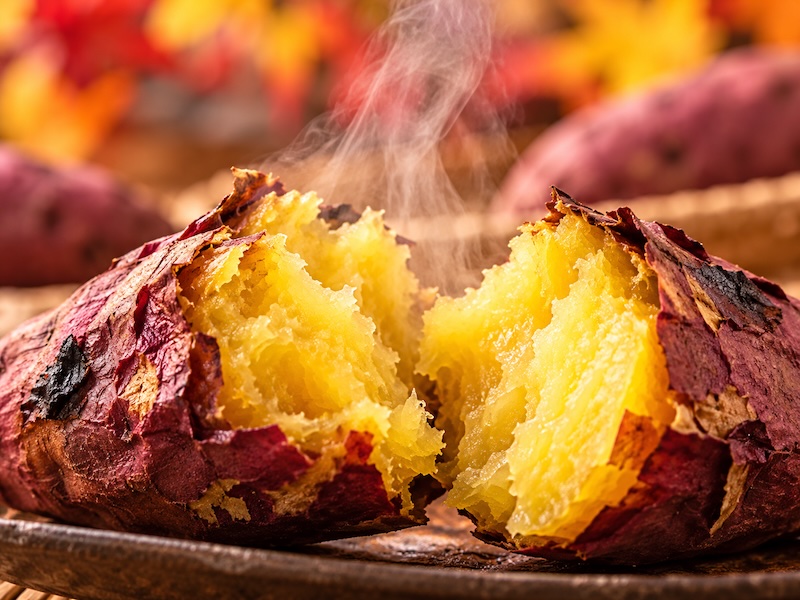
The sweet potato has traveled a long way to reach its present celebrity status. Originally from the Americas, it reached Japan through Asia centuries ago, becoming an important agricultural crop. Its Japanese name, satsumaimo, reflects its historical association with Satsuma, in present-day Kagoshima Prefecture. Once valued for its hardiness and practicality, the humble root has since enjoyed a remarkable culinary promotion.
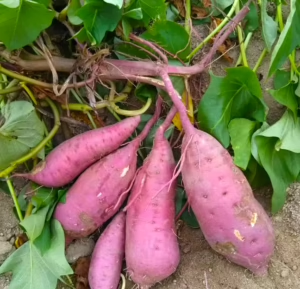 Today, Japanese sweet potato enthusiasts can be as particular about varieties as wine lovers are about grapes. Beni Haruka is prized for its rich sweetness and moist texture. Annō-imo, associated with Tanegashima in Kagoshima Prefecture, is celebrated for its soft, almost custard-like interior. Silk Sweet lives up to its name with an exceptionally smooth texture.
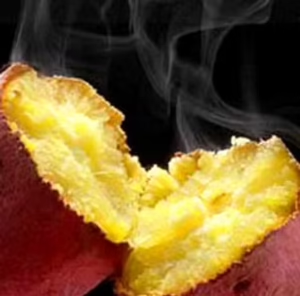 The differences aren’t merely marketing. Varieties have different starch and sugar profiles, while careful storage and slow roasting help develop their distinctive sweetness. During cooking, enzymes convert starch into sugars, turning a perfectly roasted sweet potato into something remarkably close to dessert—without a spoonful of added sugar.
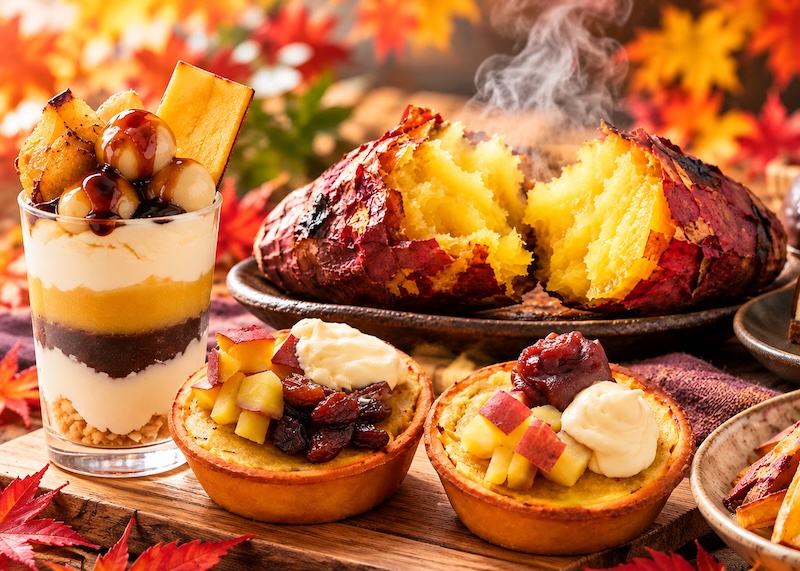
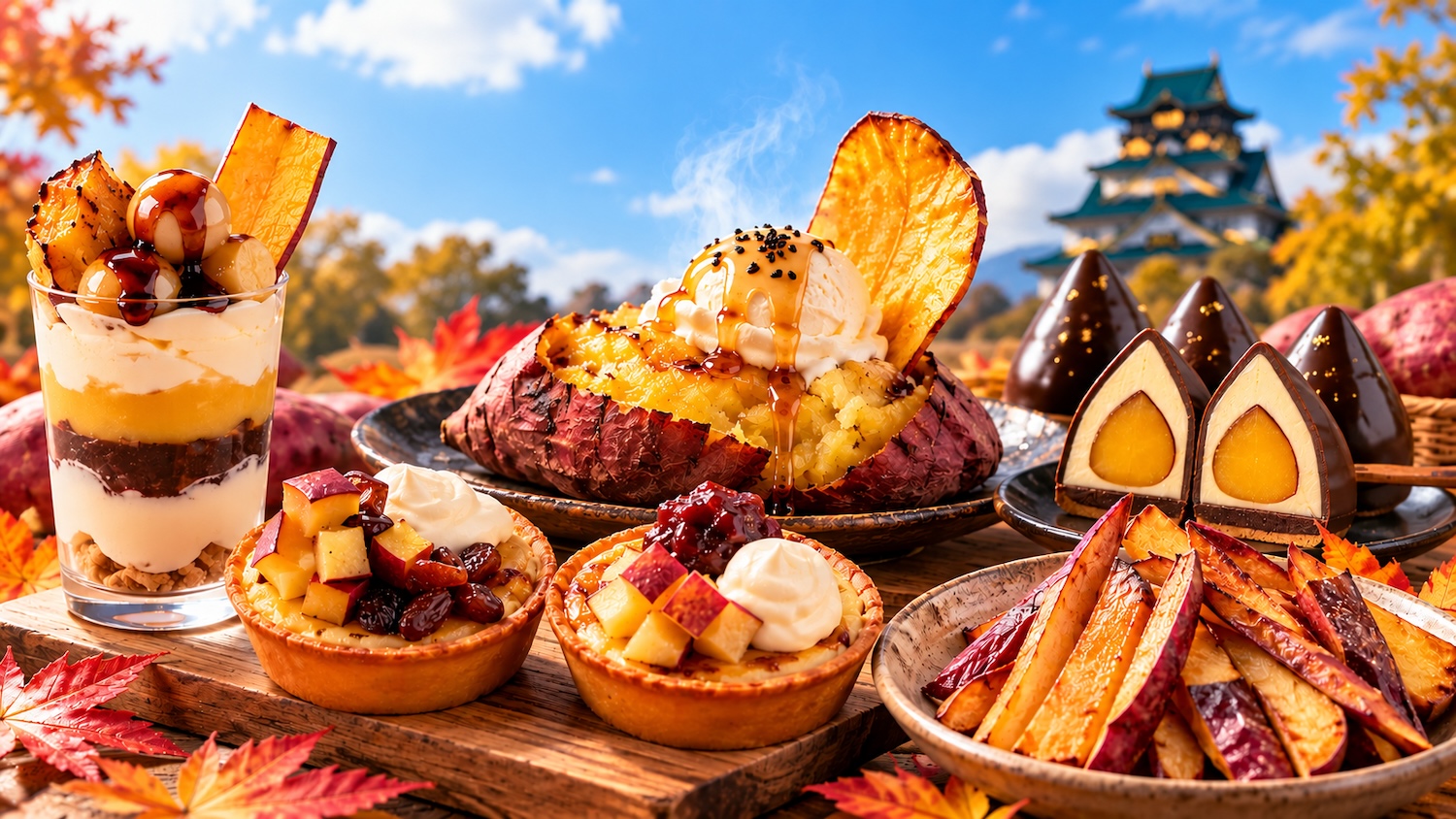
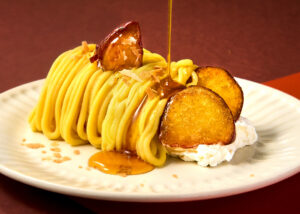 But Japanese dessert makers have never been particularly inclined to leave a good ingredient alone. Roasted sweet potatoes now appear in parfaits, cream-filled pastries, doughnuts, frappés, brûléed desserts, and elaborate Mont Blanc creations. Their earthy sweetness pairs beautifully with butter, cream, chocolate, and even savory ingredients. At contemporary sweet potato festivals, texture is part of the attraction: creamy roasted flesh meets crunchy toppings, crisp pastry, chewy rice dumplings, and silky sauces.
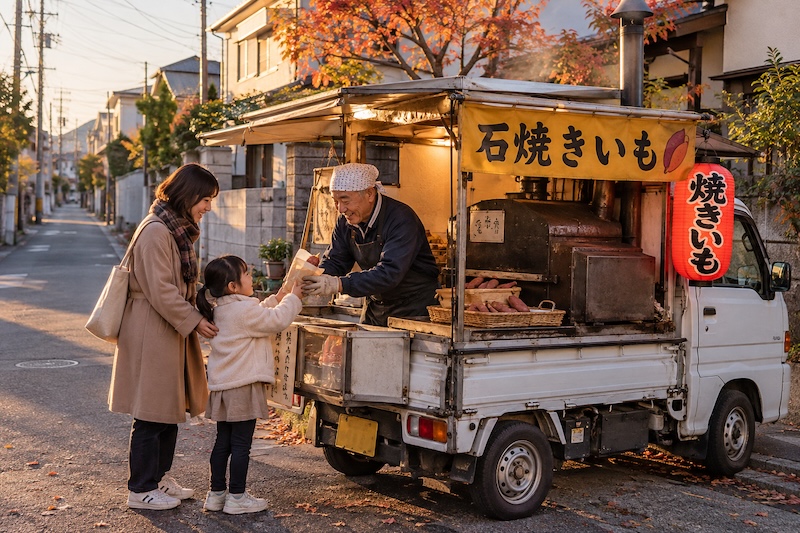
It’s a transformation that would probably astonish an old-fashioned neighborhood yakiimo vendor. And Osaka is giving the phenomenon two big stages this November.
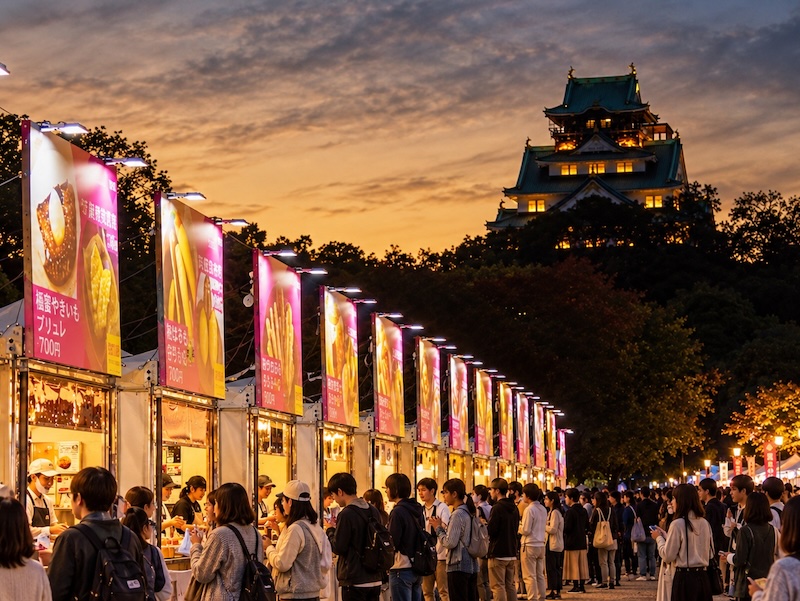
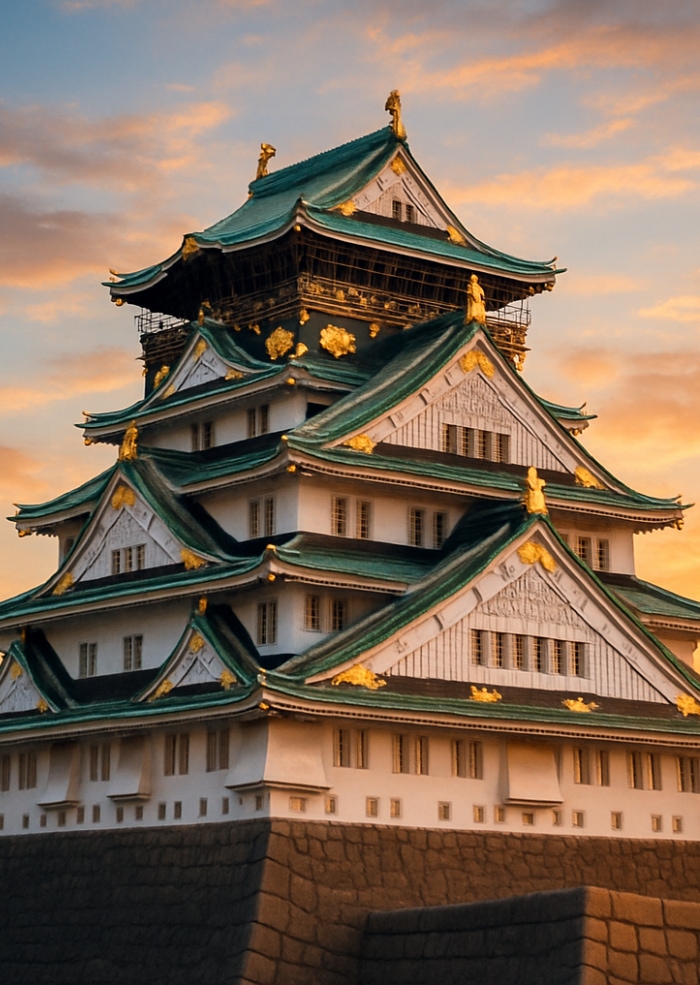
The celebrations begin at Yakiimo Fes OSAKA 2026, held at Osaka Castle Park’s Taiyo-no-Hiroba from October 30 through November 8.
For ten days, 14 vendors will serve approximately 30 sweet potato creations, from traditional roasted varieties to imaginative dishes that take the humble ingredient well beyond its familiar paper-wrapped form.
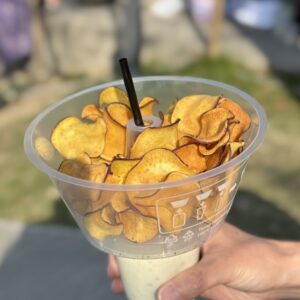 This year’s theme emphasizes contrasting textures, pairing the soft sweetness of roasted potatoes with crispy, crunchy, and creamy elements. Consider the possibilities: salt-butter brûléed roasted potatoes, sweet potato crêpes, honey-cheese roasted potatoes, and sweet potato doughnuts. There’s even Italian-style roasted sweet potato mazesoba, an adventurous meeting of noodles and autumn’s favorite root vegetable. And for anyone who prefers their potatoes in liquid form, the menu includes sweet potato potage, miso soup, and a spicy Korean-style stew.
But the festival’s ambitions extend beyond food. Because this is Japan, even the sweet potatoes have personalities.
 Meet Yakky and Mokky, the festival’s purple sweet potato mascots. Yakky is the easygoing younger brother, while Mokky is the stubborn, competitive older sibling who remains rather protective of him. The brothers have their own character biographies, an extended circle of Imo Friends, and a merchandise collection that includes embroidered socks, plush mascots, and collectible accessories.
Apparently, simply being delicious is no longer enough.
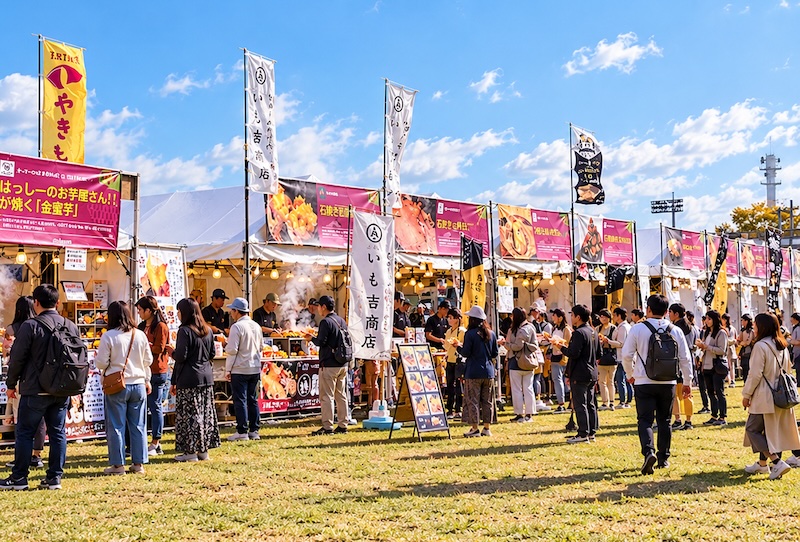
Just when Yakiimo Fes ends, Oimo EXPO picks up the baton at Expo ’70 Commemorative Park in Suita on November 14–15, 2026. For a vegetable once content to be roasted and wrapped in paper, it’s quite a social schedule.
 Now in its sixth edition, the festival brings together sweet potato specialists from across Japan, transforming the familiar satsumaimo into an astonishing assortment of sweets, snacks, and occasionally unexpected creations.
Recent editions have featured roughly a dozen specialty vendors, including producers and confectioners from well beyond Kansai. Last year, Ibaraki’s THE IMOMITSU Kosai Farm brought rich sweet potato confections and striking purple creations, while Gunma’s Koedo Kawagoe Imofukudo offered crispy sweet potato chips and something considerably more unusual: drinkable roasted sweet potato. Chiba’s Hokkori Imo took another approach, turning intensely sweet kinmitsu-imo into indulgent Basque cheesecake.
 It’s a delicious illustration of how far Japan’s sweet potato culture has evolved. The humble roasted yakiimo remains the inspiration, but today’s specialists are equally interested in texture, presentation, and finding entirely new ways to enjoy its natural sweetness.
Oimo EXPO also shares Expo ’70 Park’s East Plaza with Cheese EXPO, giving visitors two food festivals for a single ¥500 event admission, plus regular park admission. With the Tower of the Sun nearby and autumn settling over the expansive parklands, it’s a fitting setting for a leisurely weekend of seasonal indulgence.
 And for anyone inspired to get a little closer to the source, there’s a more hands-on way to experience the season.
At Kagimachi Farm in Suita, visitors can dig their own sweet potatoes straight out of the soil. The farm grows several varieties, including Beni Haruka, Annō-imo, Silk Sweet, and Kintoki, offering a wonderfully down-to-earth alternative to the city’s elaborate festival creations.
The harvesting season runs from late September into early November, depending on availability. Readers can find details in OSAKA SCENE’s Kagimachi Farm Sweet Potato Digging story.
After all, before sweet potatoes became parfaits, frappés, and cartoon mascots, somebody had to dig them out of the ground.