Silver Week in Japan: A Gift from the Calendar
Japan’s rare September holiday break returns in 2026
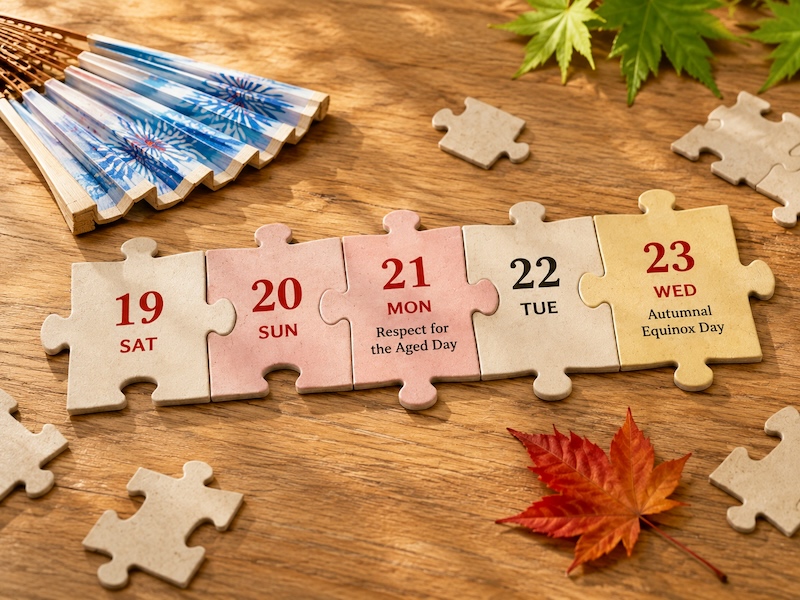
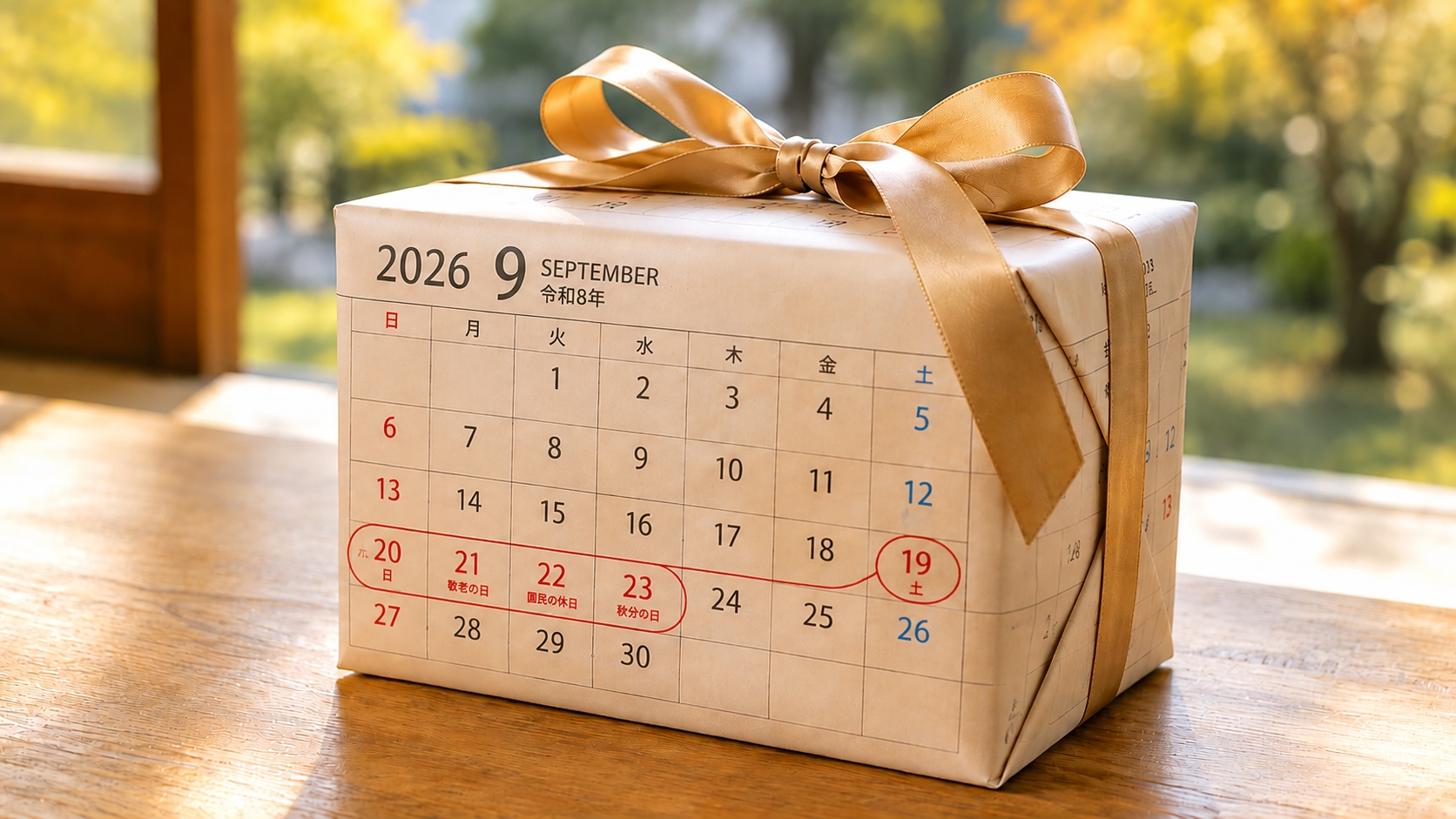
Japan’s famous Golden Week arrives every spring, but its autumn cousin is far less predictable. In 2026, the calendar aligns just right to create five consecutive days off from September 19–23 — the first full Silver Week in 11 years and only the third since the modern holiday pattern began. It’s a rare break created not by a single celebration, but by an unusual collision of holidays, history and one particularly helpful Japanese law.
What Is Silver Week?
Silver Week is the name commonly given to an extended run of national holidays that can occur in Japan in September. Unlike Golden Week, however, it isn’t guaranteed to happen every year. In fact, a full five-day Silver Week is remarkably rare.
The modern five-day Silver Week first appeared in 2009, returned in 2015 and is back in 2026. It only became possible after Respect for the Aged Day moved to the third Monday of September in 2003. That means anyone who arrived in Japan during the past decade may be experiencing a five-day Silver Week for the first time. The reason is simple: Silver Week is a calendar phenomenon.
When Respect for the Aged Day lands on Monday, September 21, and Autumnal Equinox Day falls on Wednesday, September 23, something unusual happens. Tuesday, September 22, is trapped between two national holidays.
Simple, right? Welcome to Japanese holiday-calendar algebra.
Under Japan’s Act on National Holidays, a weekday with national holidays immediately before and after it also becomes a day off. Add the preceding Saturday and Sunday and, almost like a calendar trick, two holidays become five consecutive days away from work or school.
Well, that’s exactly what happens in 2026: for anyone on a standard weekend-and-holiday schedule, five days off without using a vacation day. And then it disappears again. In 2027, Respect for the Aged Day falls on September 20 while Autumnal Equinox Day remains September 23, breaking the chain.
Why Is It Called Silver Week?
Here’s where the name takes an unexpected turn: 2009 wasn’t the first time Japan had something called Silver Week.
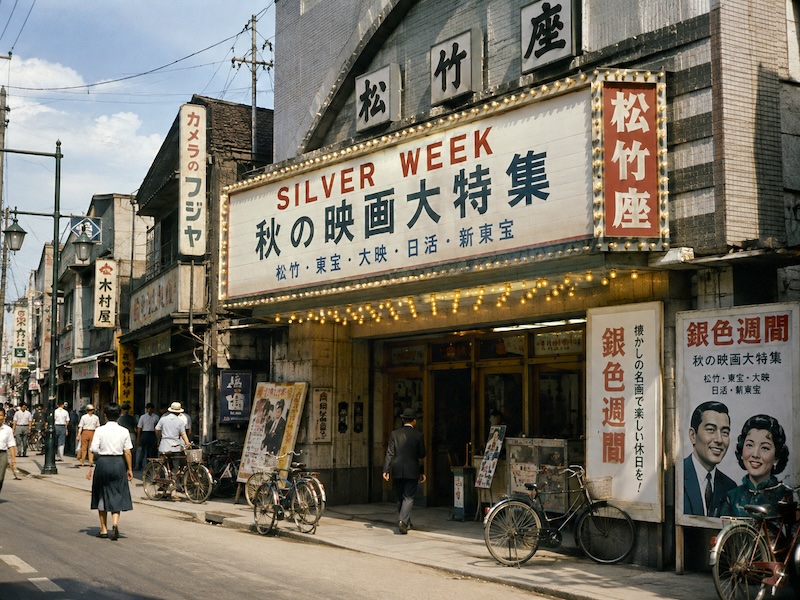
The phrase reaches back to Japan’s postwar movie business. In the 1950s, after the film industry helped popularize Golden Week as a name for the lucrative spring holiday period, it tried promoting a November holiday period as Silver Week. The sequel didn’t have the same staying power. Golden Week entered everyday Japanese; the original Silver Week largely disappeared.
Today’s Silver Week is a different story.
In 2008, ahead of Japan’s first five-day September break the following year, a survey asked people what they would call the unusual autumn holiday period. Silver Week was the most popular answer. The name began appearing in media and travel-industry usage, and by the time the holiday arrived in September 2009, it was becoming familiar.
Why silver? The simplest explanation is also the most widely supported: if spring has Golden Week, autumn gets “second place” with Silver Week. There’s also a fitting second meaning. In Japan, silver is commonly associated with older generations, and one of the holidays creating the September break is Respect for the Aged Day. Whether that association actually helped inspire the name is less clear.
So Japan has actually had two Silver Weeks: an unsuccessful movie-industry promotion in November decades ago, and the rare September holiday we know today.
Same name. Different holiday.
The Holidays Behind the Holiday
For all the talk of Silver Week, there is technically no national holiday called Silver Week. The days creating it have identities — and meanings — of their own.
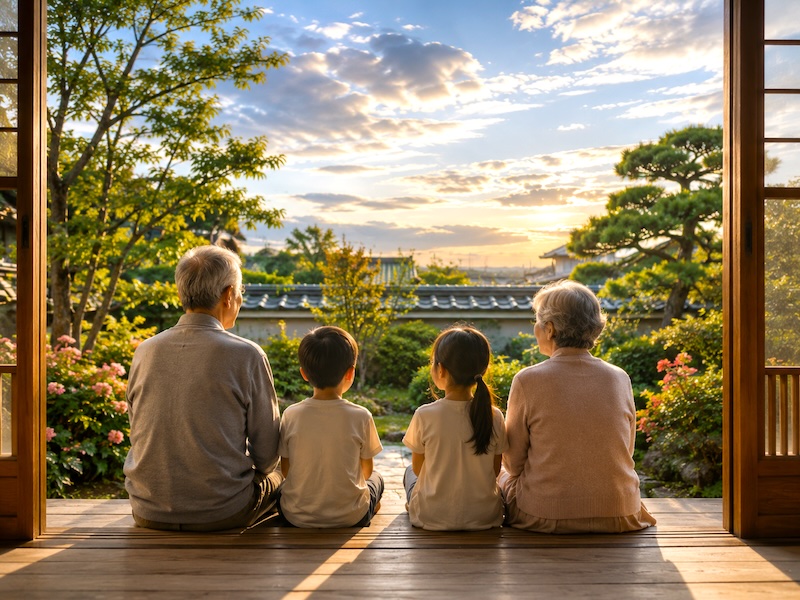
Respect for the Aged Day (敬老の日 / Keirō no Hi) honors older people, recognizing their long contributions to society and celebrating longevity. It became a national holiday in 1966 and has been observed on the third Monday of September since 2003. Families may use the occasion to spend time with parents and grandparents, give gifts or simply express appreciation to older relatives. Communities and institutions also hold activities recognizing their senior residents.
Autumnal Equinox Day (秋分の日 / Shūbun no Hi) has a very different character. The national holiday marks the autumnal equinox, when day and night are approximately equal in length. Its official purpose includes honoring ancestors and remembering those who have died. It also falls during the Buddhist observance of Higan, traditionally associated with visiting family graves and paying respects to ancestors.
And in between them in years like 2026 is September 22 —a holiday with no commemoration of its own. It simply had the good fortune to get stuck between two other holidays. That distinction helps explain something visitors sometimes misunderstand about Silver Week: it itself has no traditional rituals or observances of its own.
There is no Silver Week meal. No Silver Week ceremony. No particular place everyone is supposed to visit. Instead, the five-day break creates something perhaps even more valuable: time. People travel, return home, visit family, go shopping, take children on outings, attend festivals and concerts, visit attractions or simply enjoy several consecutive days without the usual work and school schedule.
Which brings us to Osaka.
Silver Week 2026 in Osaka
September 19–23, 2026
If the calendar has handed Osaka five days off, the city has certainly found ways to fill them.
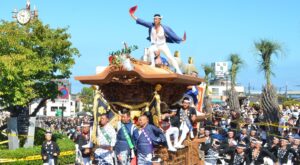
Silver Week begins with one of Osaka Prefecture’s biggest spectacles. The Kishiwada Danjiri Matsuri holds its Yoimiya on Saturday, September 19 and Honmiya on Sunday, September 20, bringing massive wooden danjiri and famous high-speed yarimawashi turns through the streets of Kishiwada. The festival dates back more than 300 years.

For something decidedly less high-speed, OSAKA Art & Handmade Bazaar Vol. 52 takes over ATC Hall from September 19–22, with four days of art, accessories, ceramics, illustration, crafts and original creations.

Families have plenty of options too. Kids Plaza Osaka has special holiday programming, while Pet Expo 2026 Osaka runs September 21–23 at Intex Osaka with pet activities, animal encounters, demonstrations and shopping.
The Seventh Osaka Rakugo Festival runs September 18–23, covering the entire holiday with performances celebrating the city’s centuries-old tradition of Kamigata rakugo.

And then there is Expo ’70 Commemorative Park. The Expo ’70 Park Summer Festival runs all five nights of Silver Week, September 19–23, with IllumiNight Expo, food and beer gardens, ennichi-style attractions, DJs, handheld fireworks and the Tower of the Sun illuminated after dark. In a fitting Silver Week touch, visitors aged 65 and older also receive discounted admission during the five-day holiday.
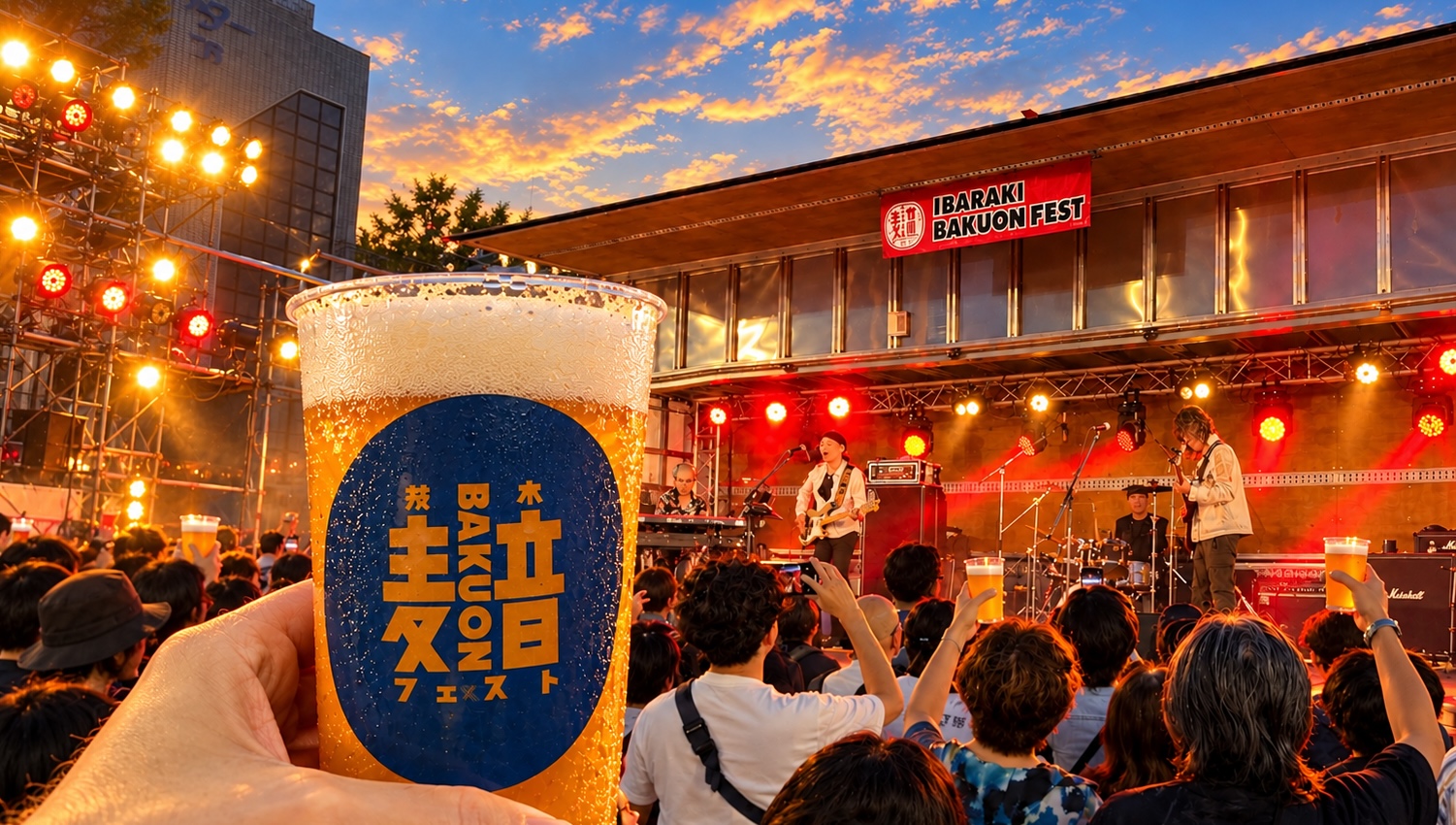
And that’s not even counting the music. Silver Week brings an insane five days of concerts across Osaka. Check out our Sonic September feature to see who’s taking the stage.
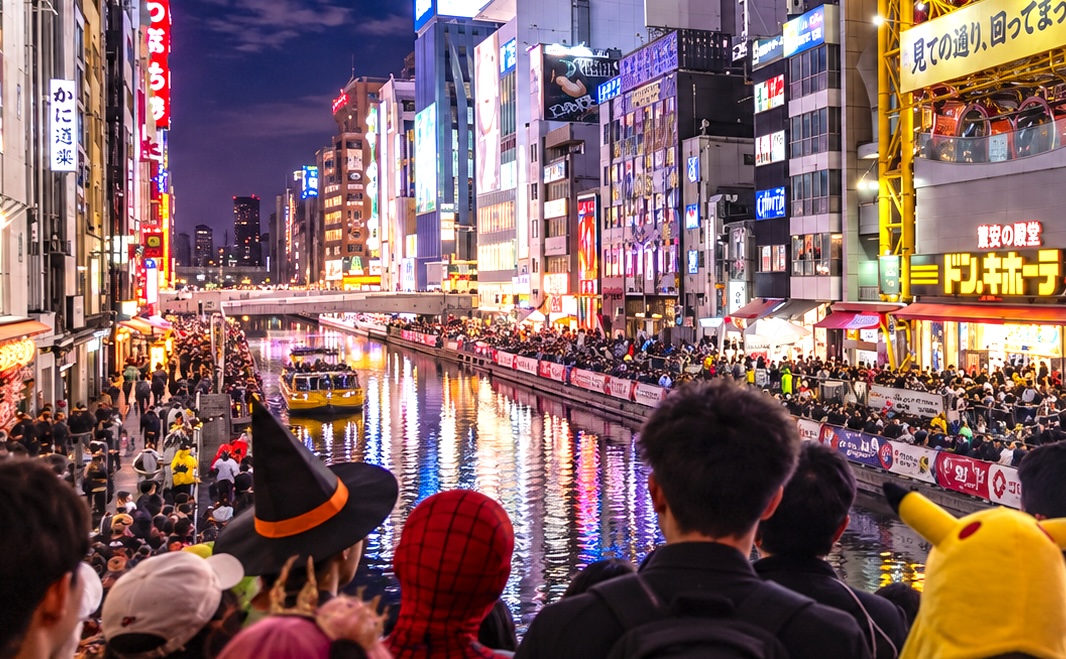
Movies under the stars, local festivals, Oktoberfest celebrations, exhibitions and family attractions are also filling the five-day break. Check out our full list of Silver Week events below, with dates, times, access and everything you need to enjoy the holiday right here in Osaka.

Silver Week isn’t a festival waiting to be observed or a tradition telling you what to do. It’s something much simpler — and much rarer: five days the calendar occasionally gives back to you.
But you may have to wait for the next one. Under current holiday law and astronomical projections, the next five-day Silver Week is expected in 2032. Apparently, that calendar algebra takes a while to work itself out.
Think of it as a gift from the calendar. In 2026, Osaka gives you plenty of ways to unwrap it.
In This Month's Osaka Scene Magazine:
ad