Upcoming Fireworks:
Maishima Sports Island
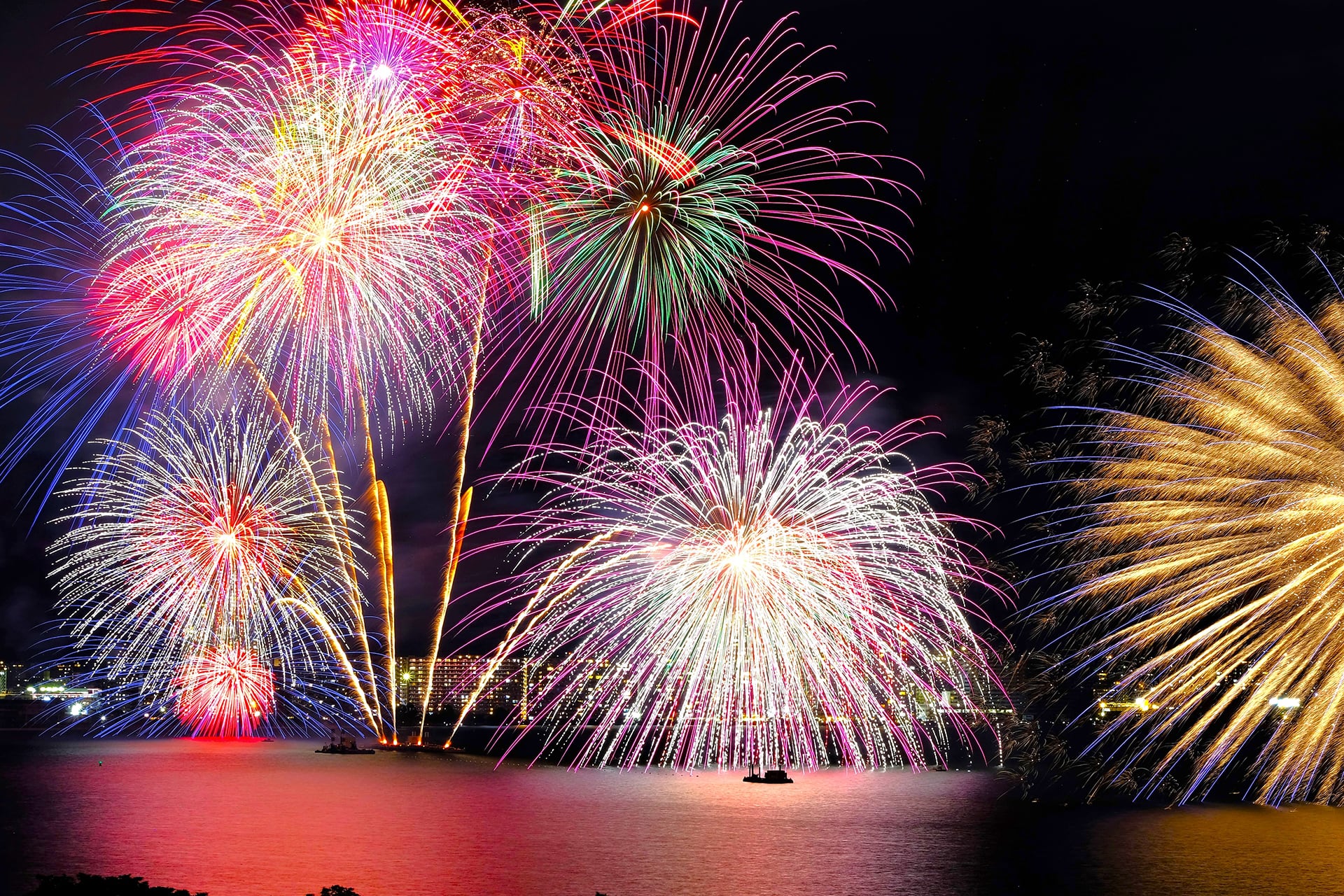
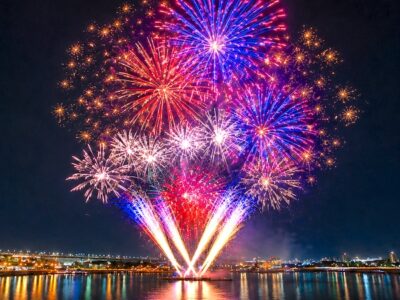
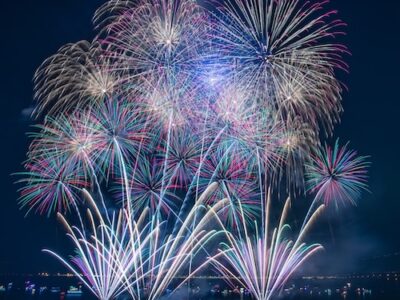
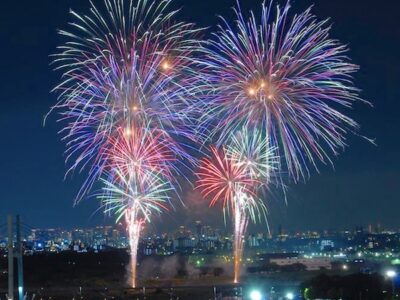
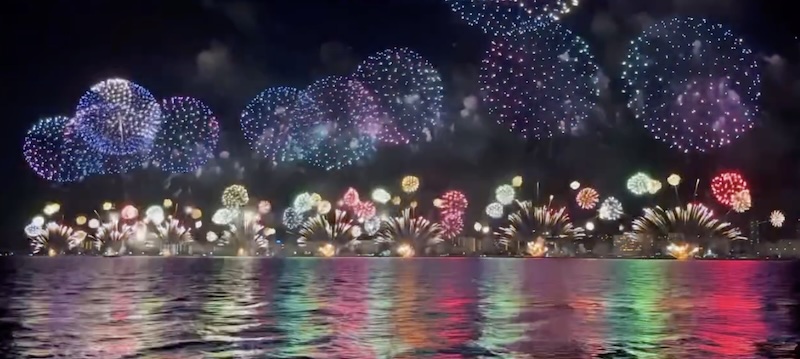
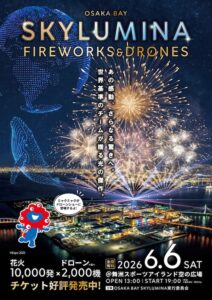 On the same night across Osaka Bay, OSAKA BAY SKY LUMINA FIREWORKS & DRONES pushes even further into large-scale entertainment production territory. Held at Maishima Sports Island, the event combines approximately 10,000 fireworks with around 2,000 synchronized drones, creating one of Kansai’s largest drone-integrated fireworks productions.
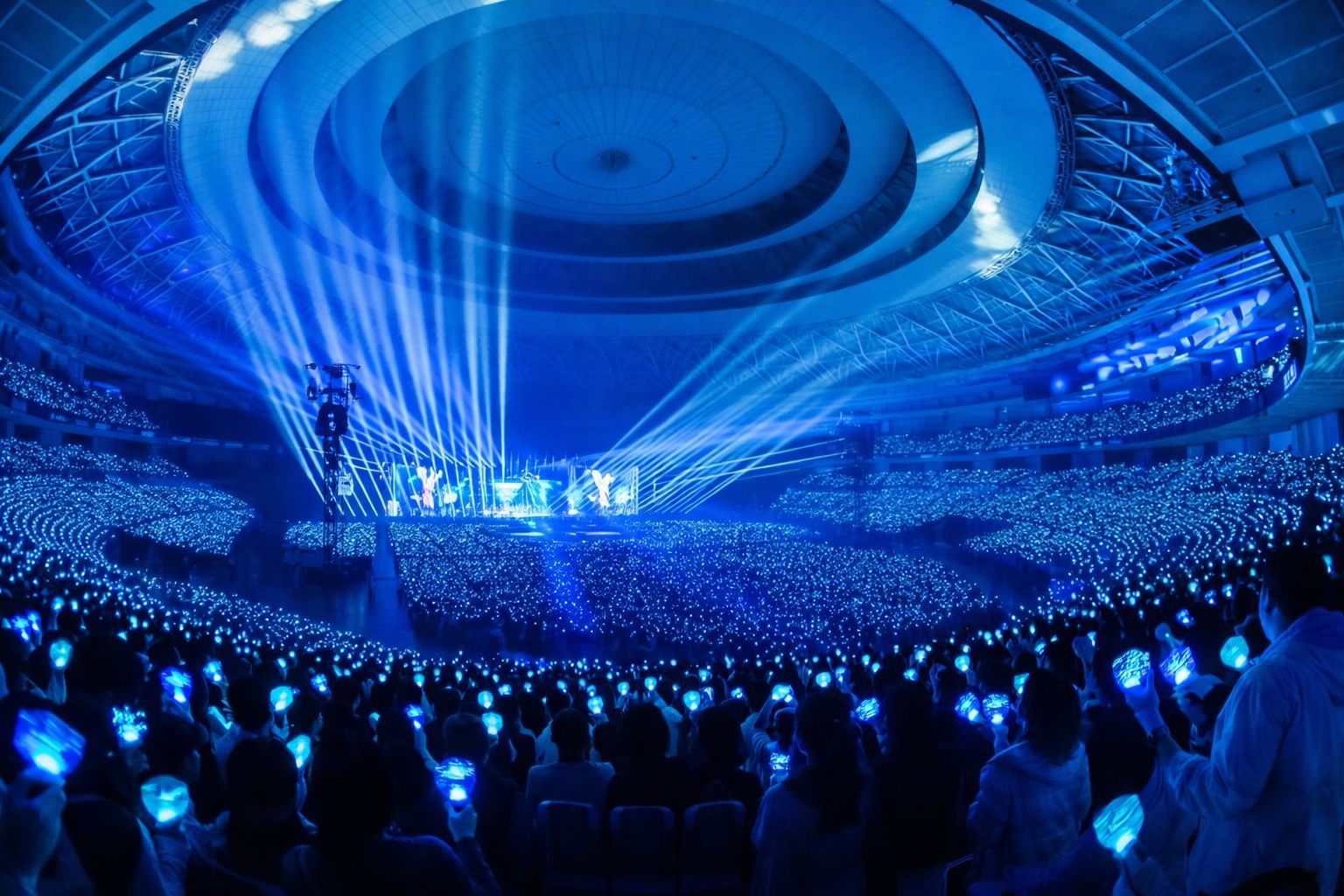
Where traditional fireworks festivals build slowly toward a finale, SKY LUMINA is structured more like a giant nighttime spectacle from the beginning. Music synchronization, drone choreography, lasers, lighting systems, and large launch zones transform the Osaka waterfront into a cinematic entertainment environment closely tied to the broader evolution of Osaka Bay’s post-Expo-era event culture. The atmosphere around Maishima becomes part concert, part waterfront festival, and part futuristic fireworks production unfolding beside the city skyline.
Nishikinohama Beach Park, Kaizuka
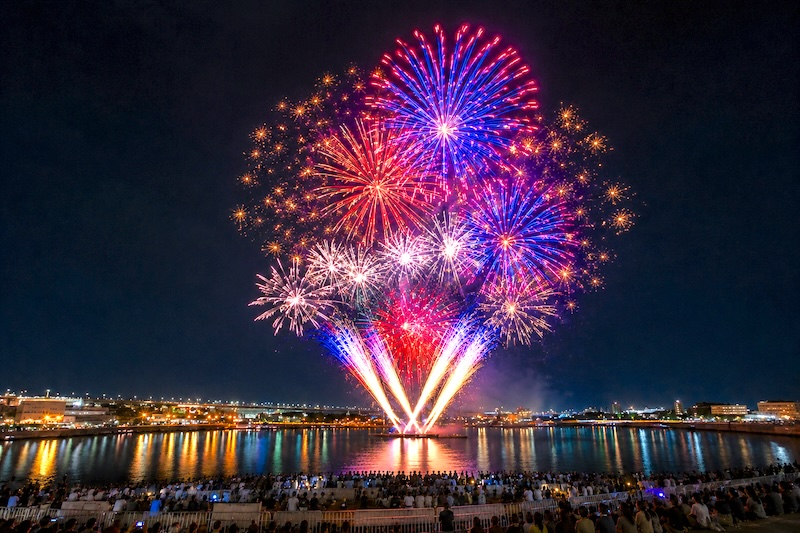
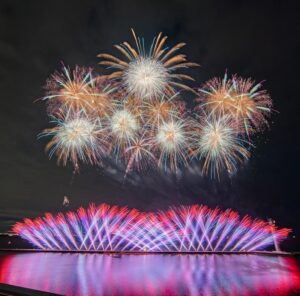 One night later, the focus shifts south again to Nishikinohama Beach Park for Japan Fireworks Expo 2026, another large-scale waterfront production emerging from Osaka Bay’s expanding entertainment culture. The event combines synchronized fireworks, music, lasers, drones, and modern staging effects across a launch area stretching more than 300 meters along the coastline.
Unlike Osaka’s older riverbank hanabi traditions, Japan Fireworks Expo feels intentionally designed around the modern Osaka Bay experience itself. Visitors gather directly along the beach before sunset while lighting systems and production staging spread across the shoreline. The atmosphere is open and coastal rather than crowded and urban, with wide skies above the bay replacing the tighter viewing corridors typical of Osaka’s city-center fireworks festivals.
Together, these June waterfront events illustrate how Osaka Bay has become the center of Kansai’s new generation of premium fireworks productions.Before the larger midsummer matsuri crowds fully arrive, the season now begins with beachside productions, synchronized entertainment staging, drone choreography, and modern waterfront spectacles that reflect a changing vision of summer nights around Osaka Bay.
Tempozan Harbor Village
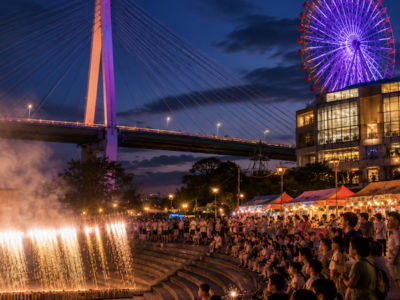
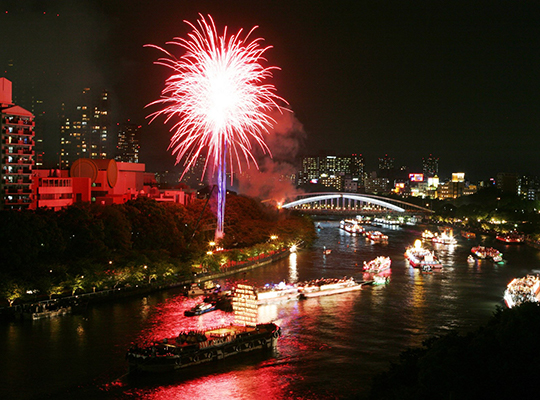
While most of Osaka’s summer fireworks events are built around giant launches and large-scale productions, the Tempozan Handheld Fireworks Festival celebrates a very different side of Japanese summer culture. Held around Tempozan Harbor Village on the same evening as Tenjin Matsuri, the event invites visitors to experience traditional handheld fireworks directly along the Osaka Bay waterfront rather than simply watching a distant display overhead.

Families, couples, and groups of friends gather beside the harbor carrying sparklers and small fireworks while the bayfront atmosphere around Kaiyukan, the Tempozan Ferris Wheel, and the waterfront promenades gradually fills with summer evening crowds. The result feels quieter and far more personal than Osaka’s giant river fireworks spectacles — less about scale and more about the simple atmosphere of spending a summer night outside beside the water.
The event also highlights something often overlooked in discussions about Japan’s fireworks culture: not every fireworks experience revolves around massive launches and crowded riverbanks. Alongside Kansai’s enormous seasonal spectacles, smaller community and participatory fireworks traditions still remain deeply woven into everyday summer life across Osaka.
Sakai Old Port
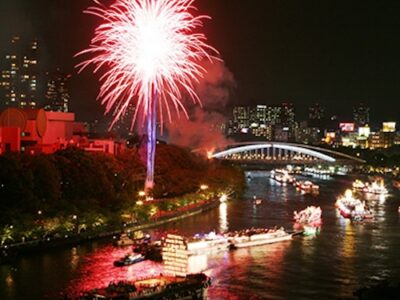
The Sakai Waterfront Fireworks unfold as the nighttime finale to the larger Sakai Great Fish Night Market festivities, combining historic harbor atmosphere with modern waterfront fireworks staging. Throughout the evening, crowds move through the old port area eating festival food and gathering around canals and harborfront streets before fireworks begin above the water after dark.
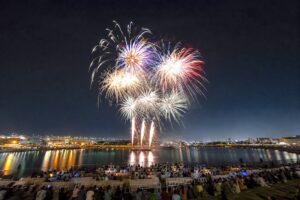 The production itself has expanded significantly in recent years under the official SBI Mai Hanabi in Sakai Great Fish Night Market branding, introducing synchronized staging, reserved seating systems, and upgraded harborfront viewing areas. Even with the modern presentation style, however, the atmosphere still feels distinctly Sakai — dense harbor scenery, industrial waterfront lighting, canal reflections, and summer festival crowds packed into the old port district.
Compared to Osaka’s giant river fireworks spectacles, Sakai feels more compact and concentrated. Harbor reflections, old port infrastructure, narrow waterfront streets, and tightly packed viewing areas create a more intimate waterfront atmosphere that feels closely tied to Sakai’s long historical relationship with the sea.
Together, July’s fireworks events capture Osaka at its most crowded, humid, and energetic. Riverbanks, harbors, bridges, and waterfront districts become temporary nighttime gathering spaces where traditional matsuri culture, modern staging, and dense urban summer atmosphere all collide beneath the fireworks.
Bentenshu Mioji Temple, Ibaraki
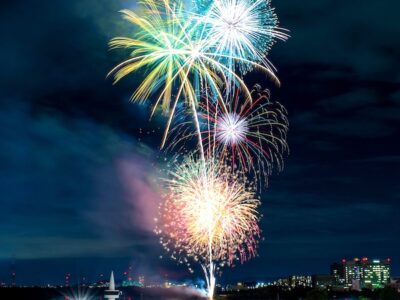
One night later, the atmosphere shifts completely at the Ibaraki Benten Fireworks Festival in northern Osaka. Rather than giant waterfront viewing areas or regional destination crowds, the fireworks unfold above temple grounds, hillside neighborhoods, local parks, and residential streets surrounding Bentenshu Mioji Temple.
The event feels deeply tied to neighborhood summer culture in a way many of Kansai’s larger fireworks productions no longer do. Residents gather gradually throughout the evening while food stalls, temple pathways, and suburban streets fill with families and local visitors waiting for fireworks to rise above the surrounding hillsides after dark.
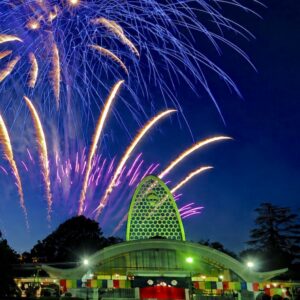 Compared to giant regional spectacles like Lake Biwa, Ibaraki Benten feels more intimate and community-centered. The setting is smaller, the viewing areas are woven directly into everyday residential Osaka, and the atmosphere carries the feeling of a classic local summer night rather than a large-scale destination event. That contrast is part of what makes August fireworks season in Kansai feel so distinctive — within the span of a single weekend, visitors can move between enormous lakefront productions and neighborhood temple fireworks that still feel rooted in local community life.
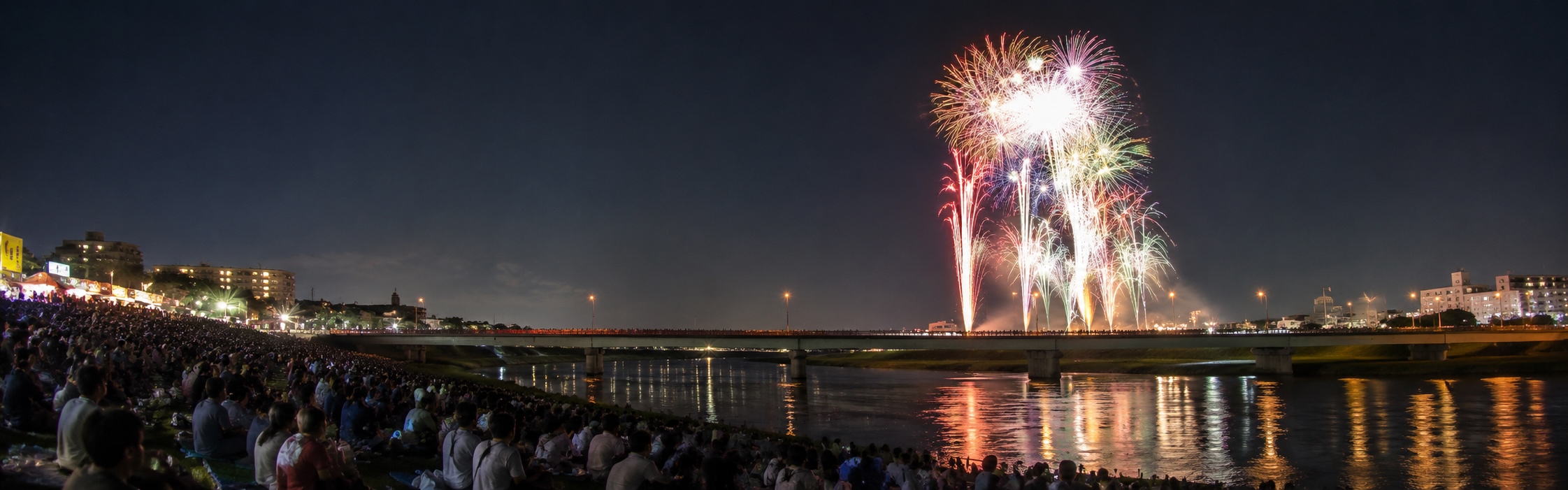
Together, August’s fireworks events represent the emotional peak of the Kansai summer season. By this point in the year, fireworks nights feel less like isolated events and more like shared seasonal memory — crowded trains, humid evening air, flickering food stalls, and the sound of fireworks rolling across the region deep into the night.
Sennan Long Park
 Later in August, the focus shifts south again toward Osaka Bay for SBI Mai Hanabi Sennan 2026 at SENNAN LONG PARK. Held along the waterfront facing the bay, the event combines synchronized fireworks, music staging, and large coastal viewing areas within one of Osaka’s fastest-growing seaside entertainment districts.
Compared to the dense urban river atmosphere of central Osaka fireworks festivals, Sennan feels open and resort-like. Visitors gather across the waterfront park, beach areas, and surrounding promenades while fireworks rise over the coastline after dark. The atmosphere blends large-scale entertainment production with the relaxed pace of a summer night beside the sea.
As with the Sakai waterfront production earlier in the season, the SBI Mai Hanabi branding reflects Osaka’s broader shift toward modern coastal fireworks entertainment built around music synchronization, organized viewing systems, and destination-style waterfront event spaces. By late August, events like Sennan help extend the energy of fireworks season even as the region slowly begins transitioning toward autumn.
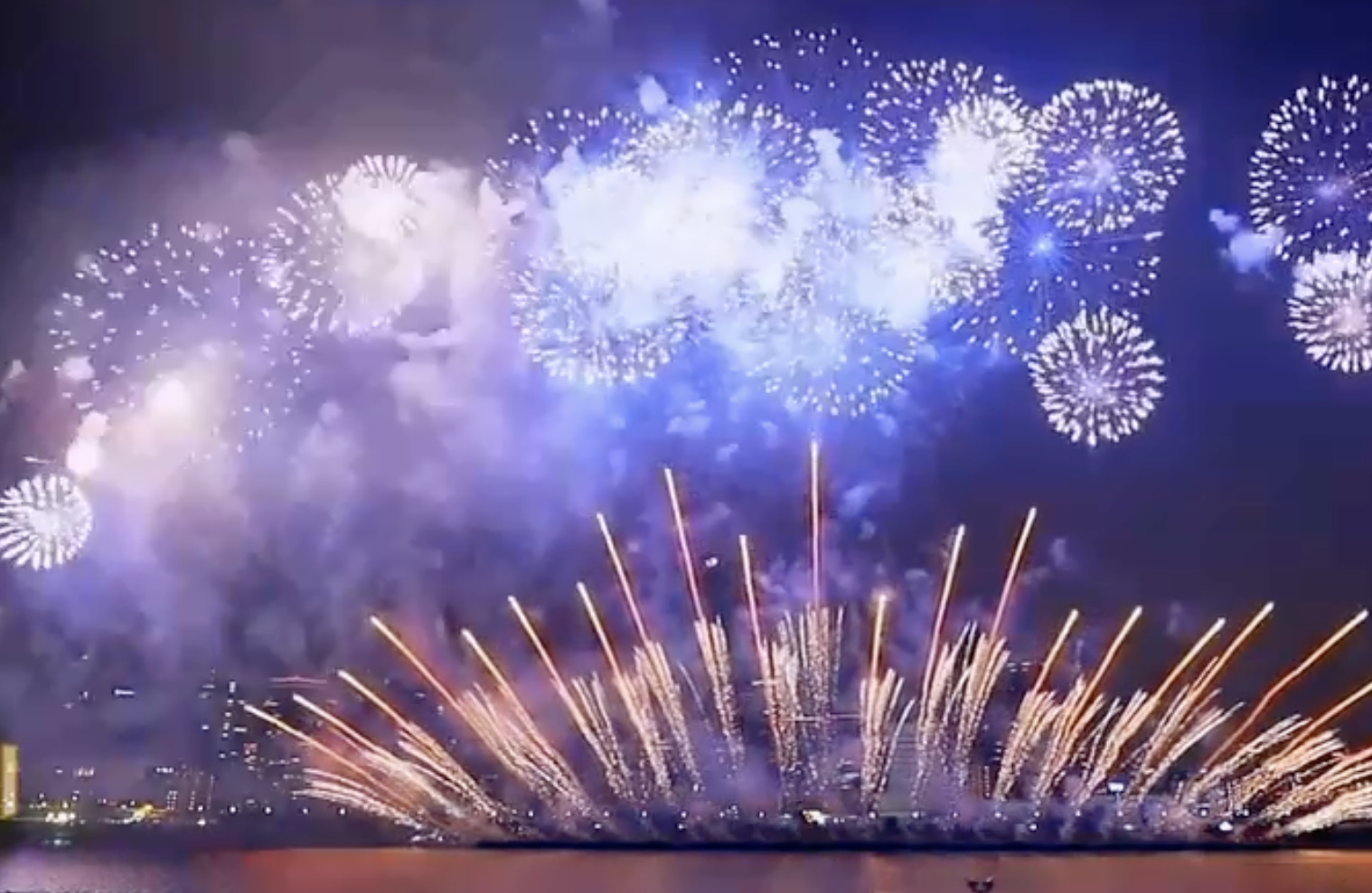
Rinku Park, Izumisano
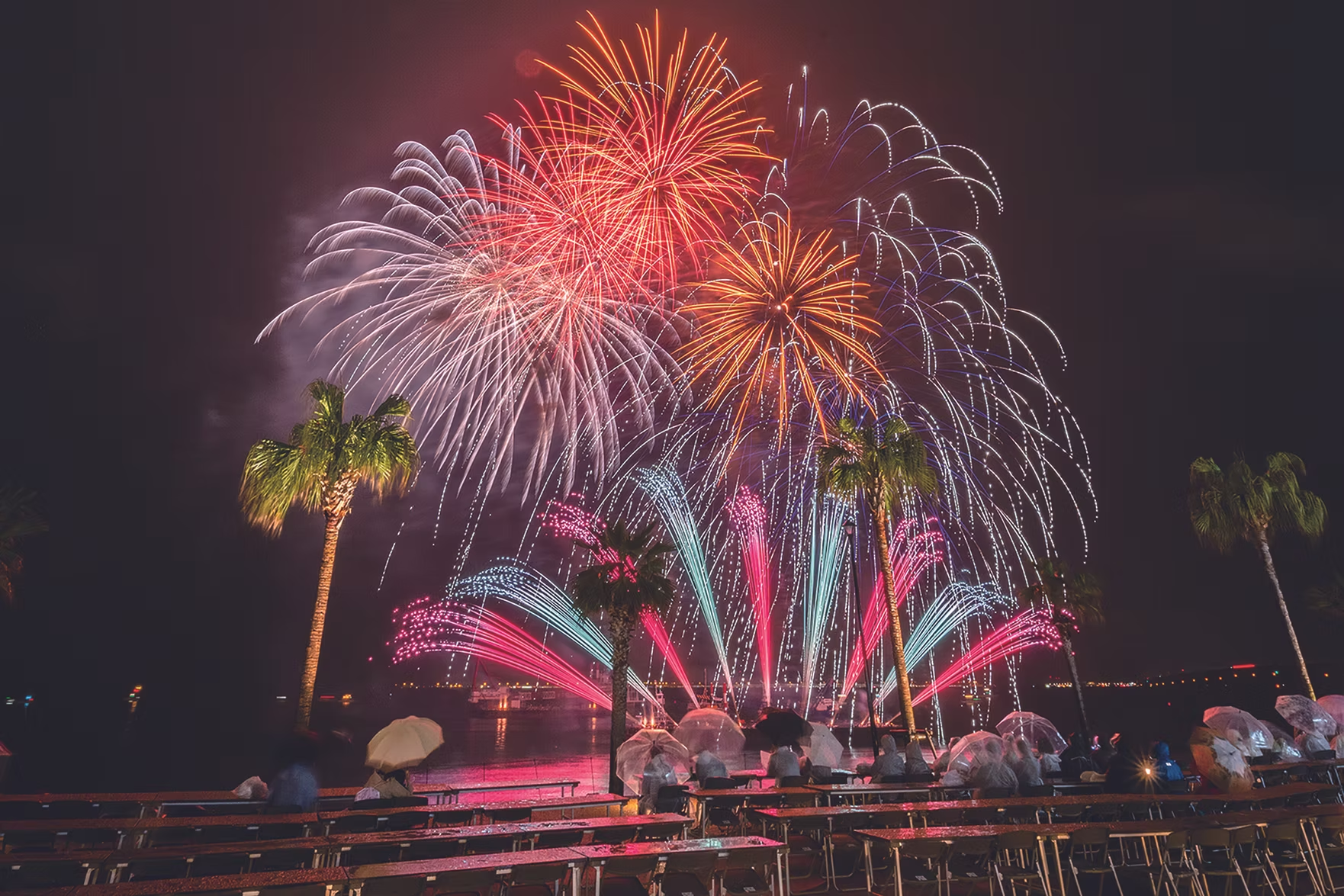
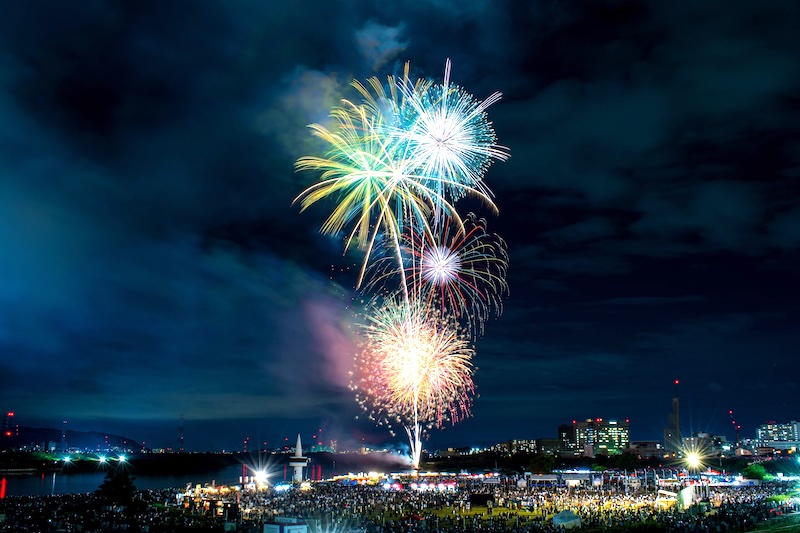
Osaka’s fireworks season returns to the waterfront with Osaka Art Fireworks, a fully ticketed performance where Japan’s leading pyrotechnicians and choreographers synchronize every burst to music with split-second precision.
For 50 uninterrupted minutes, fireworks rise from the horizon beyond Marble Beach while music, reflected light, and the open expanse of Osaka Bay transform the coastline into an outdoor theater. The 2026 edition marks the event’s fifth anniversary and follows international recognition for producer GREAT SKY ART at the Montreal International Fireworks Competition and the International Illumination Awards.
The event’s Chinuumi Dining area celebrates Osaka Bay and the Senshu region with seafood, local specialties, and festival favorites, making it easy to arrive early and enjoy the waterfront before the evening performance.