Osaka Haru Basho 2026
The only professional sumo tournament in western Japan returns to Osaka, bringing fifteen days of Grand Sumo drama and excitement to Namba.
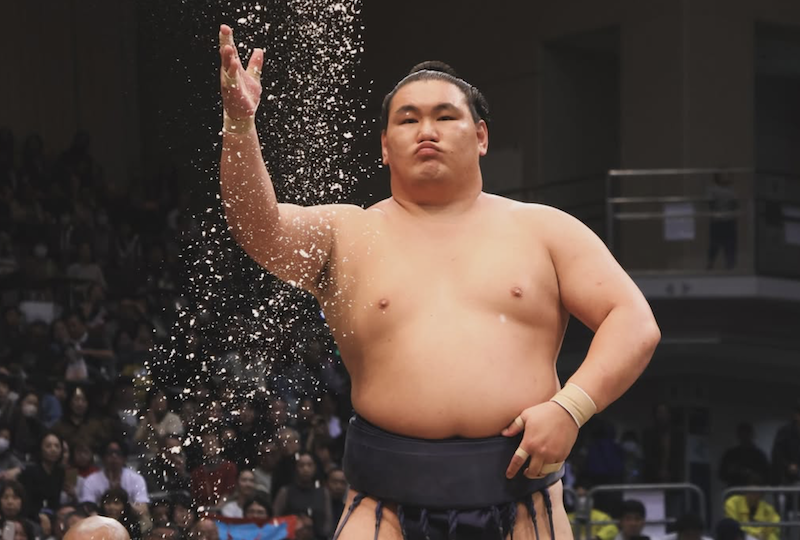
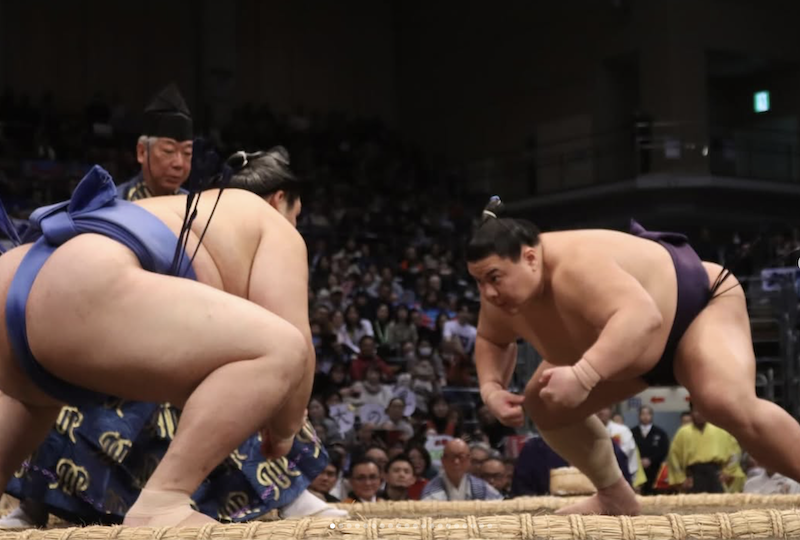
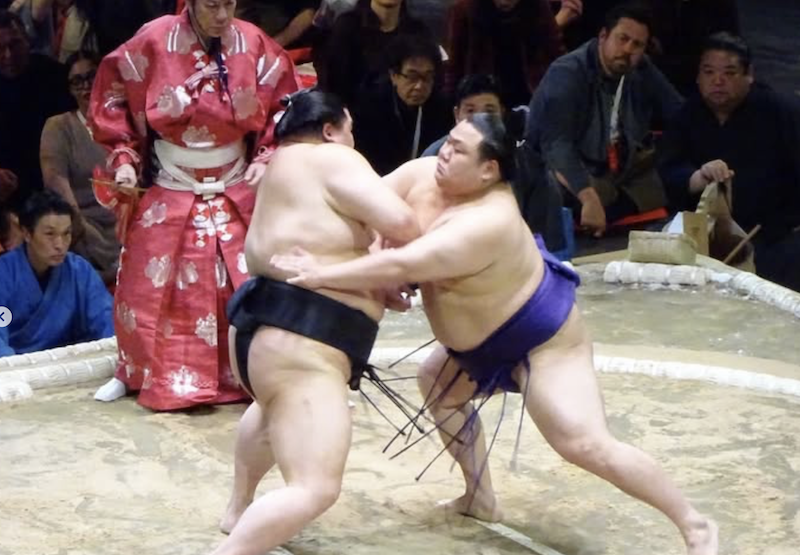
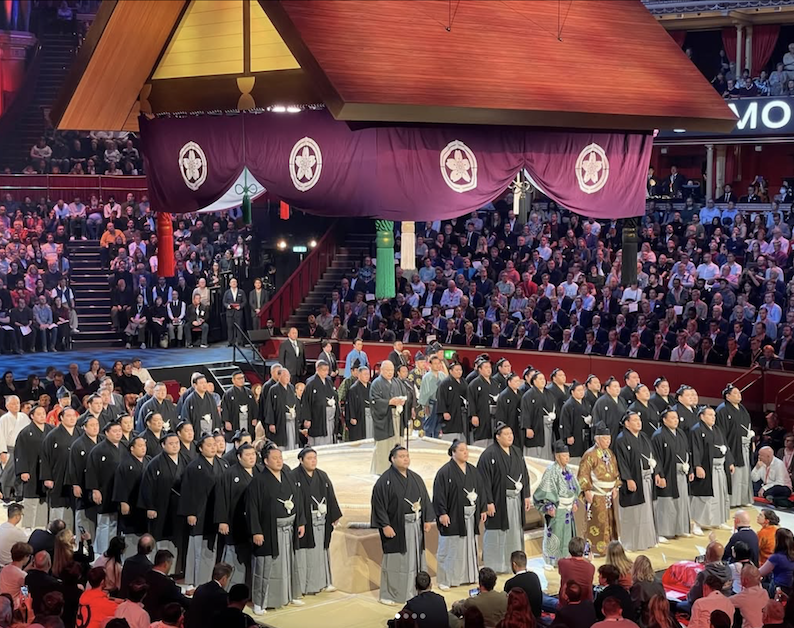
Every spring, Osaka becomes the center of the sumo world as the Haru Basho brings the nation’s top wrestlers to Kansai. From March 8 to March 22, 2026, Edion Arena Osaka in Namba hosts the Grand Sumo competition, filling the arena with taiko drums, referee calls, and the thunderous impact of rikishi colliding on the dohyo.
The Haru Basho unfolds over fifteen dramatic days inside EDION Arena Osaka, with each day shaping the race for the Emperor’s Cup. Early bouts establish momentum as wrestlers build their records and the tournament’s first storylines begin to emerge. By the middle days, surprise contenders and dramatic upsets often shake the leaderboard. When the final weekend arrives, the atmosphere inside the arena becomes electric as championship hopefuls battle in front of Osaka’s famously passionate sumo crowd.
(See the daily schedule below in the FAQs)
 The Haru Basho is one of the six official Grand Sumo Tournaments organized annually by the Japan Sumo Association, and it is the only honbasho held in western Japan. That makes it a rare opportunity for visitors and locals alike to see sumo’s highest-ranked wrestlers in person, from yokozuna and ozeki to rising stars fighting for promotion.
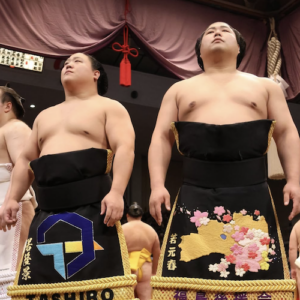 Osaka has played host to some of sumo’s most memorable moments. In 2017, Kisenosato made his yokozuna debut here and captured the championship despite serious injury. Legendary champion Hakuho also reached major career milestones in Osaka, including victories that pushed him beyond 1,000 career wins. Earlier eras saw dominance from Asashoryu, whose rivalries helped define a generation of sumo fans.
The Osaka crowd is part of the spectacle. Compared to Tokyo tournaments, the Haru Basho is known for its passionate Kansai atmosphere, where cheers are louder and dramatic upsets can send zabuton cushions flying onto the dohyo.
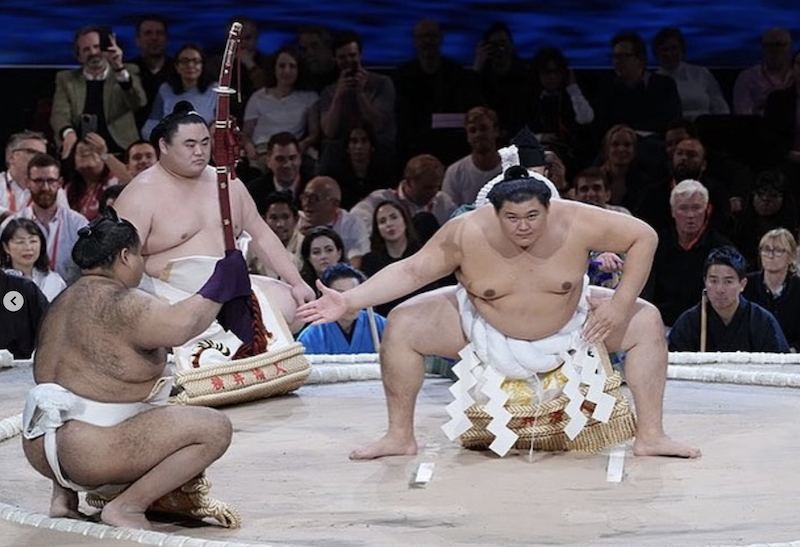
Beyond the bouts, the Haru Basho offers a deep immersion into sumo culture. Visitors can sample chanko-nabe, browse official merchandise, and observe rituals unchanged for centuries.

 Kansai’s Only Honbasho — The only Grand Sumo Tournament held outside eastern Japan.
Fifteen Days of Sumo — Daily matches from opening day through the final championship bouts.
History Made in Osaka — The site of legendary moments, including Kisenosato’s 2017 yokozuna debut title.
A Lively Kansai Crowd — Known for louder cheers and dramatic reactions to upsets.
Sumo Beyond the Dohyo — Food, rituals, and tradition alongside the matches.
Photos: Official Website
Maps
Contact
Opening Hours
THE SCENE: FAQ’s
ACCESS
Venue: Edion Arena Osaka
Address: 3-4-36 Namba, Naniwa-ku, Osaka
Osaka Metro Midosuji Line → Namba Station
(Exit 5) About 5 minutes on foot. Follow signs toward Namba Parks; Edion Arena Osaka is located just south of the complex.
Osaka Metro Yotsubashi Line → Namba Station
(Exit 32) About 5 minutes on foot. Proceed at street level toward Namba Parks and the arena.
Osaka Metro Sennichimae Line → Namba Station
(Exit 5) About 5 minutes on foot. Walk toward Namba Parks and continue south to the arena.
Nankai Line → Namba Station
(Central Exit) About 5 minutes on foot. Exit the ticket gates and follow signage for Edion Arena Osaka.
SCHEDULE
March 8, 2026 – Opening Day
The tournament begins with fresh rankings and early storylines. Crowds are lively but tickets can be slightly easier to find than later in the tournament.
March 9-14, 2026 – The Early Battles
Wrestlers build their records as the tournament rhythm settles in. Fans begin watching the leaderboard closely as favorites emerge.
March 15-17, 2026 – The Mid-Tournament Turning Point
This stretch often determines who remains in championship contention. Upsets and surprise runs frequently happen here.
March 19-22, 2026 – Championship Pressure
The title race tightens and the arena atmosphere becomes electric. These are some of the most intense days of the basho. March 22nd is the Senshuraku - The Final Day & Awards Ceremony
TICKETS
Tickets for the Grand Sumo Spring Tournament (Haru Basho) range widely depending on seating location and the day of attendance. Prices typically range from about ¥3,800 for upper arena chair seats to more than ¥38,000 for traditional ringside box seating.
Standard Arena Chair Seats
These individual stadium-style seats are the most common option for visitors.
D Seat — about ¥3,800
C Seat — about ¥5,000
B Seat — about ¥7,000
A Seat — about ¥9,500
S Seat — about ¥12,500
SS Seat — about ¥18,500
Prices vary slightly depending on the day and seating section.
Traditional Box Seats (Masu-seki)
Sumo tournaments also feature traditional tatami box seating, where groups sit on floor cushions near the ring. These seats are typically sold as a four-person box.
Box B — about ¥36,000 per box
Box A — about ¥40,000+ per box
Ringside premium boxes — higher depending on proximity to the dohyo.
Visitors sitting in box seats are expected to remove their shoes before entering the seating area.
Where to Buy Official Tickets
Tickets are sold through the Japan Sumo Association’s official ticket partner:
Official international ticket site
https://sumo.pia.jp/en/
Tickets can also sometimes be purchased through:
Ticket Oosumo (Japan Sumo Association)
https://www.sumo.or.jp/EnTicket/year_schedule/
Convenience store ticket terminals (7-Eleven, Lawson, FamilyMart) may offer limited domestic ticket inventory.
Important: Many Dates Sell Out
The Osaka tournament is one of the most popular events on the sumo calendar, and many days — especially weekends and the final days of the tournament — often sell out quickly after tickets go on sale.
If official seats are sold out, visitors may still find:
• resale tickets through travel agencies
• tour packages that include tournament tickets
• occasional ticket returns closer to the event date
FIRST TIME VISITOR TIP
Even if you cannot attend for the entire day, tickets allow entry at any time during the tournament schedule. Many spectators arrive around 3:00 PM, when the top-division wrestlers begin their ring entrance ceremonies and the most anticipated bouts take place.
For first-time visitors, arena chair seats (A, B, or S sections) are often the most comfortable and practical choice. While traditional box seating offers a classic sumo experience close to the ring, it requires sitting on floor cushions for long periods and is typically sold in group boxes. Chair seating provides a better view of the full arena and is easier for visitors unfamiliar with the format.
Contacts:
Japan Sumo Association – https://www.sumo.or.jp