Osaka Castle Spring Festival
The Osaka Castle Spring Festival transforms the park into a season-long destination, from cherry blossom hanami to late-spring strolls. With food stalls, nighttime illumination, and evolving events, the experience continues well beyond peak bloom.
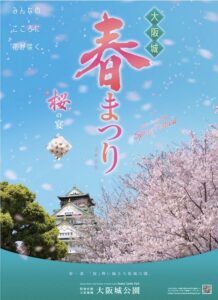
Each spring, Osaka Castle Park enters its most anticipated season, as the grounds transform into a city-wide celebration of the changing season. Officially designated as the Osaka Castle Spring Festival, the event runs from March 10 to May 24, 2026, marking an extended period when the park shifts into a full-scale seasonal experience—beginning with the arrival of cherry blossoms and continuing as the energy of spring unfolds across the landscape.
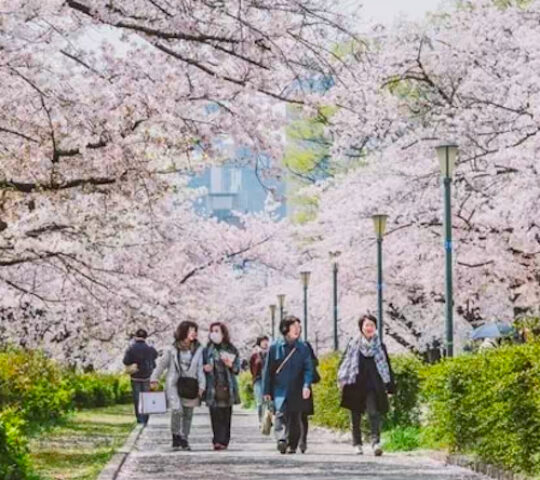
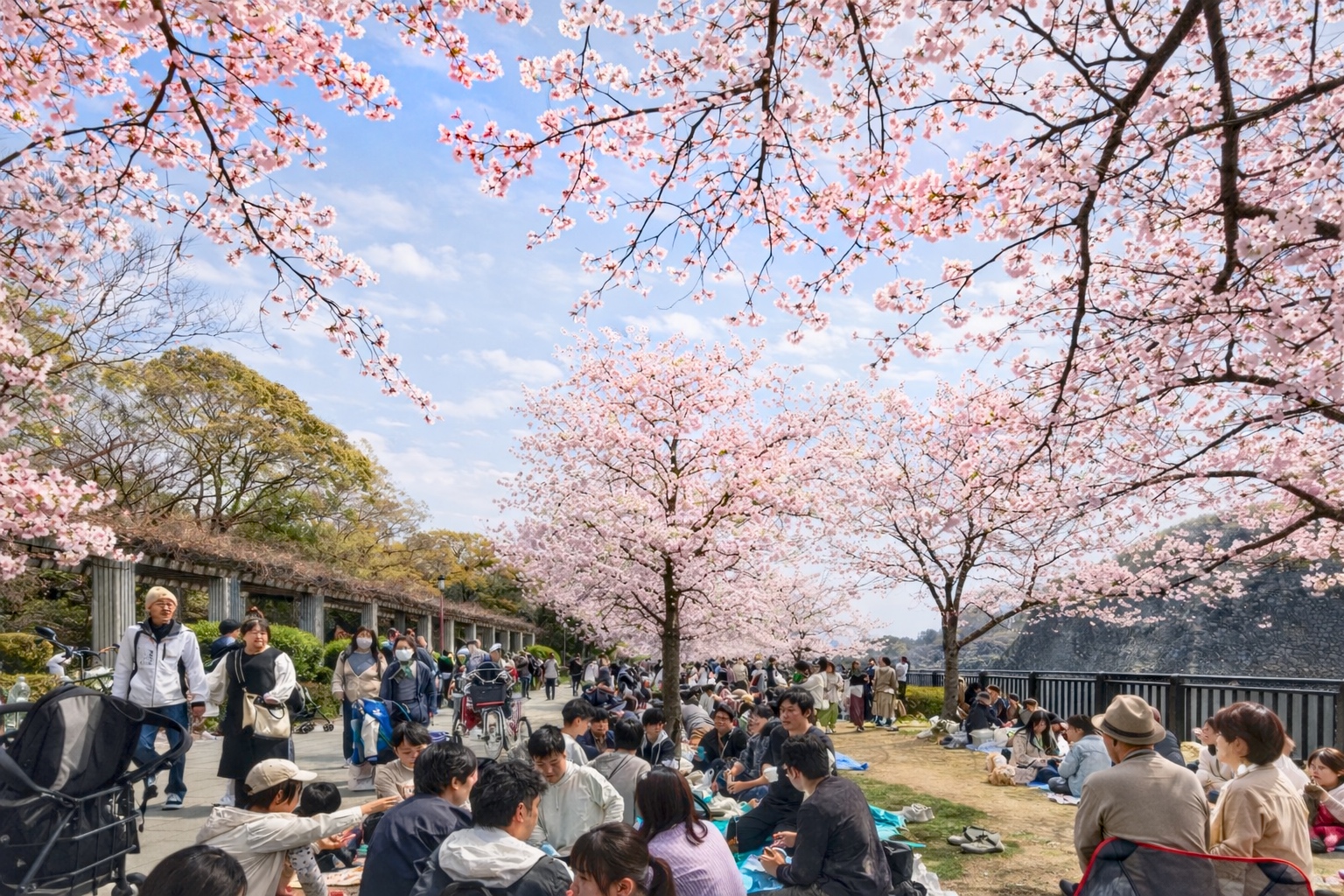
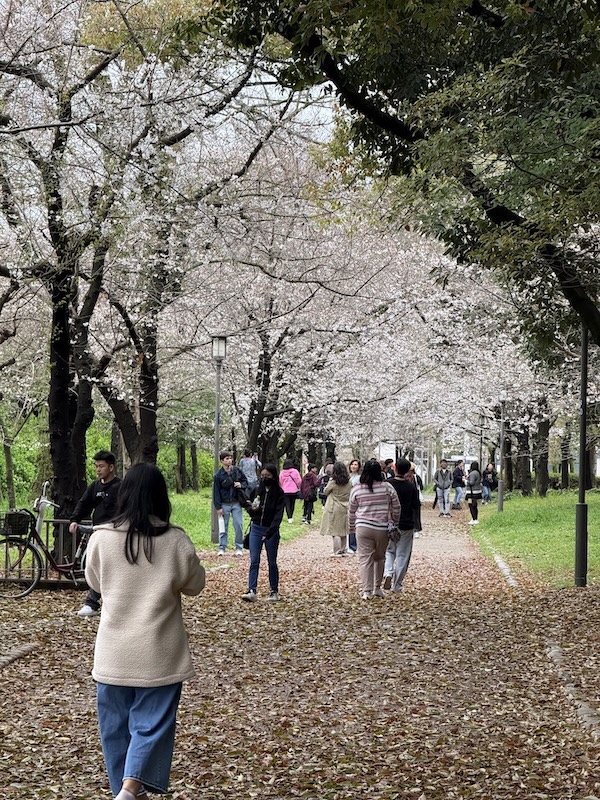
The season opens with sakura, drawing visitors into one of Osaka’s most iconic hanami destinations. Across the park, over 3,000 cherry trees bloom at slightly different intervals, creating a layered viewing experience that rewards repeat visits throughout the peak period. Wide open lawns, stone pathways, and waterside viewpoints offer constantly shifting perspectives, while groups gather beneath the blossoms for picnics and relaxed outdoor socializing.
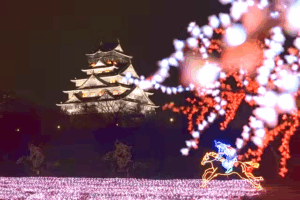
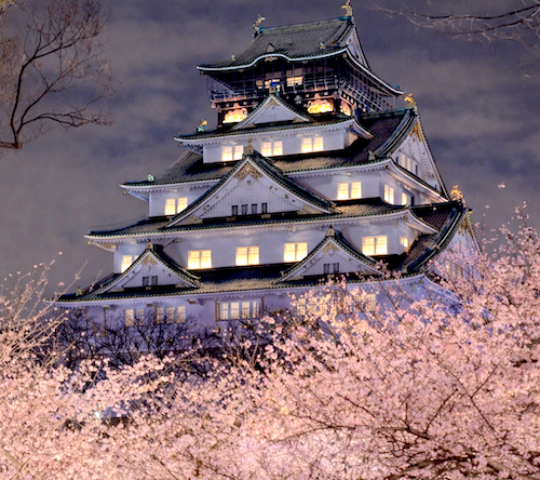
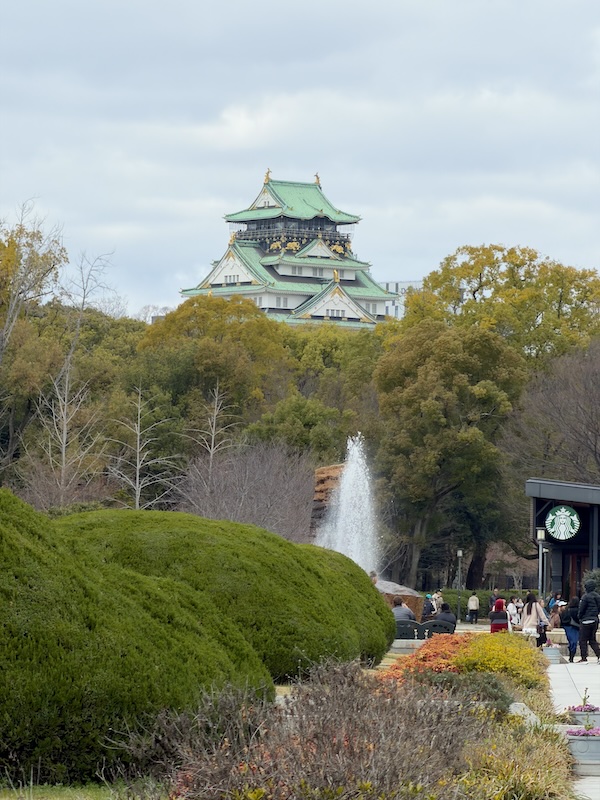
As the sun sets, the atmosphere shifts. Osaka Castle itself is illuminated nightly, creating dramatic views of the keep framed by blooming sakura. For a more structured experience, Nishinomaru Garden hosts one of Osaka’s most popular yozakura settings, where cherry blossoms are lit against the night sky with clear sightlines of the castle, drawing large evening crowds during peak bloom.
Food and drink are an essential part of the experience throughout the festival. Temporary yatai-style food stalls and seasonal vendors appear around key gathering areas, offering familiar Japanese festival fare such as takoyaki, yakisoba, karaage, and drinks. As of late March, stalls are already operating in parts of the park, adding to the early festival atmosphere and making it easy to settle in and spend several hours on site.
 As the season progresses beyond peak bloom, the festival continues to evolve. The park remains active with visitors, while additional programming and seasonal attractions extend the experience deeper into spring. Limited-time exhibitions inside Osaka Castle’s main keep, special openings tied to the site’s historical features, and other spring events ensure that the festival remains engaging even after the cherry blossoms begin to fade.
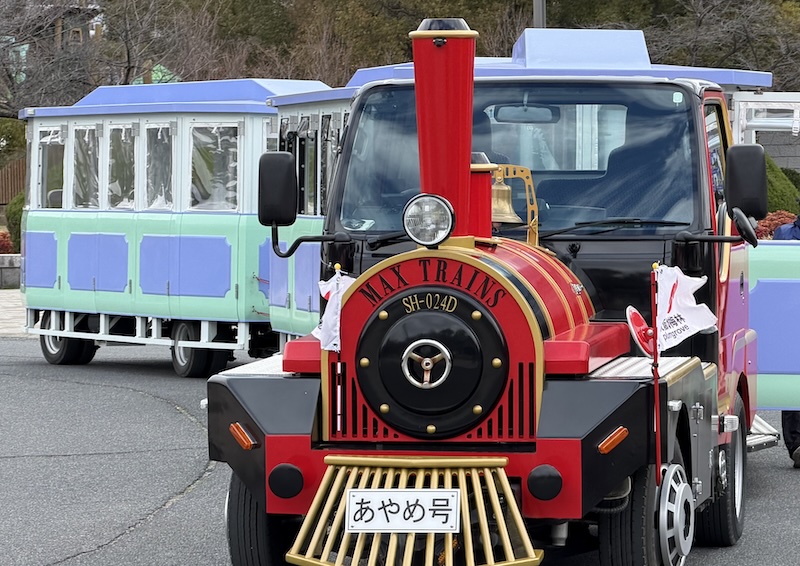
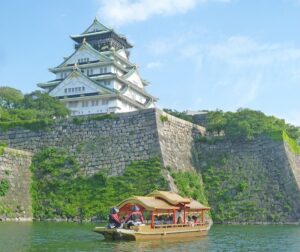
Beyond walking and picnicking, visitors can experience the park from different perspectives. Boat rides along the inner moat offer a rare waterside view of the castle and surrounding grounds, while the park’s road train provides an easy way to explore the expansive site. Together, these options make the park accessible and engaging throughout the full duration of the festival.
What ultimately defines the Osaka Castle Spring Festival is the continuity of the experience. From the first blooms of sakura to the broader celebration of spring that follows, the park becomes an open-air seasonal destination—equal parts picnic spot, cultural landmark, and social hub during one of Osaka’s most vibrant times of year.

 Hanami Picnics – Daytime gatherings under sakura trees across expansive park grounds.
Yozakura Nights – Illuminated cherry blossoms at Nishinomaru Garden after sunset.
Festival Food – Yatai stalls serving takoyaki, yakisoba, and seasonal snacks.
Season-Long Festival – From first bloom to late spring, the experience evolves beyond sakura.
Explore the Grounds – Boat rides and the park train offer easy ways to see more of the park.
Photos: Osaka Scene Staff, Osaka Castle Park Website/Instagram
Maps
Contact
THE SCENE: FAQ’s
ACCESS
Venue: Osaka Castle Park
Address: 1-1 Osakajo, Chuo Ward, Osaka
Nearest stations:
JR Osaka Loop Line → Osakajokoen Station
Exit: Park Exit
Walk: approx. 5 minutes
JR Osaka Loop Line → Morinomiya Station
Walk: approx. 15 minutes
Osaka Metro Tanimachi Line → Tanimachiyonchome Station
Exit: 9
Walk: approx. 15–20 minutes
Osaka Metro Chuo Line → Morinomiya Station
Walk: approx. 15 minutes
Dates reflect the seasonal festival period as designated by Osaka Castle Park and may vary slightly depending on cherry blossom conditions.
SCHEDULE
Festival Period
March 21 – April 13, 2026
Peak Bloom
April 31st (JMC Forecast)
Blooming typically occurs within a 5–7 day window during this period (timing varies by year)
Osaka Castle Park (General Access)
Open: 24 hours
The park remains open day and night, with the busiest times during late morning and evening hours in peak bloom.
Nishinomaru Garden (Yozakura Illumination)
Open (during sakura season): approx. 9:00 – 22:00
Night illumination: from sunset until approx. 22:00
Last admission: approx. 21:30
Hours may be extended or adjusted slightly depending on bloom conditions and crowd levels.
Osaka Castle Gozabune Boat Ride
Operating hours (typical): 10:00 – 16:30 (last boarding)
Operations may vary depending on weather and crowd conditions. Service is daytime only.
Osaka Castle Road Train (Park Shuttle)
Operating hours (typical): 9:30 – 17:30
Runs continuously along a loop route connecting major areas of the park. Frequency increases during busy periods.
Best Times to Visit
Morning: quieter, easier to move around
Midday: peak hanami activity
Evening: most atmospheric, highest crowds due to illumination
TICKETS & ADMISSIONS
Osaka Castle Park
Admission: Free
Open access to all general park areas, including hanami spots, walking paths, and open lawns. No ticket required.
Nishinomaru Garden (Night Illumination / Yozakura)
Night Sakura Admission (seasonal):
Adults: ¥350
Junior high school students and younger: Free
Daytime Admission (outside illumination period):
Adults: ¥200
Nighttime pricing applies during sakura season evenings.
Where to buy:
• On-site at the Nishinomaru Garden entrance (main gate)
Advance online ticketing is not typically available.
Osaka Castle Gozabune Boat Ride
Adults: ¥1,500
Children (elementary school): ¥750
Operating hours (typical):
10:00 – 16:30 (last boarding; may vary by season and weather)
Where to buy:
• On-site at the boat boarding area
Advance reservations are not typically available.
Osaka Castle Road Train (Park Shuttle)
Adults: ¥400
Children: ¥200
Circulates major areas of Osaka Castle Park with multiple stops.
Where to buy:
• Pay directly when boarding (cash)
Advance ticketing is not available.
Most visitors will only need free park access or Nishinomaru Garden entry for evening viewing, with boat rides and the road train serving as optional add-on experiences.
INFO & TIPS
Osaka Castle Park becomes extremely crowded during peak bloom, particularly from late morning through the evening. For a more relaxed experience, visit early in the morning or on a weekday. Evenings offer the most atmospheric views with illumination, but expect the highest foot traffic during these hours.
Picnicking (hanami): encouraged throughout most of the park’s open areas, but space fills quickly during peak days. Bringing a ground sheet is recommended, and convenience stores nearby (Morinomiya, Osakajokoen, and Tanimachiyonchome stations) are good places to pick up food and drinks before entering the park.
Nishinomaru Garden: requires a separate paid admission for both daytime entry and nighttime illumination. The illuminated yozakura viewing is one of the most popular seasonal experiences in Osaka, so arriving before sunset is recommended to avoid lines and secure a good viewing position.
Payments: Cashless payments are increasingly accepted at food stalls, but many still operate on a cash basis. Bringing a small amount of cash is recommended for smooth purchases, especially during busy periods.
Restroom facilities: available throughout the park, but lines can become long during peak hours. Plan accordingly, especially if visiting with groups or children.
The park is large and spread out, so comfortable walking shoes are essential. The road train can be useful for covering longer distances, particularly for families or visitors looking to conserve energy.
Weather: can shift quickly in early spring. Even on warm days, evenings can become cool once the sun sets, so bringing a light jacket is recommended if staying for nighttime viewing.