
Baseball Is Back
From Parade Glory to Opening Pitch in Kansai
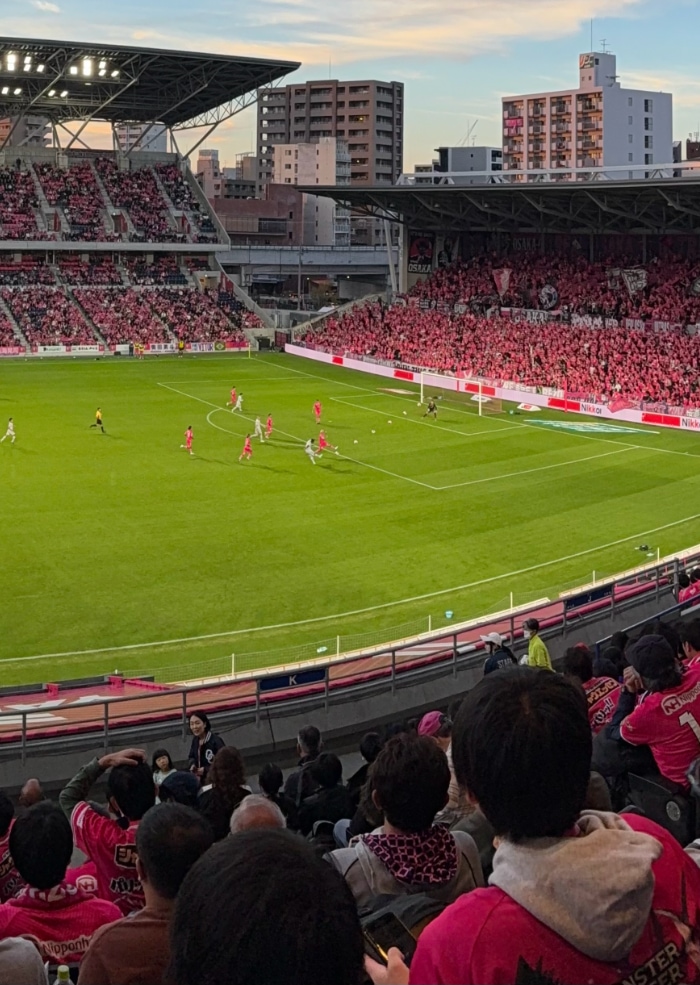
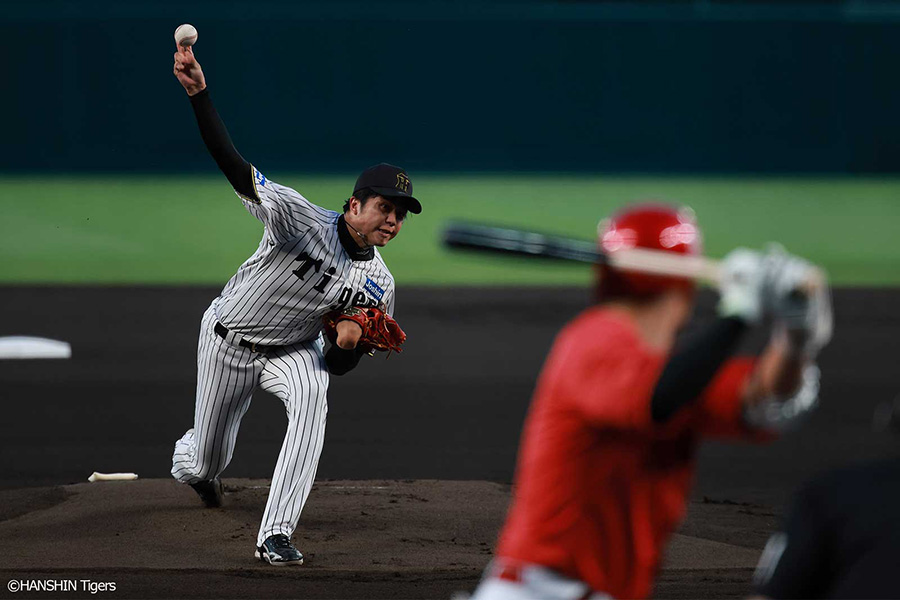
Baseball in Japan is not something you watch quietly. It is sung. Chanted. Conducted. At Hanshin Koshien Stadium, trumpets lead coordinated fight songs. Drums set tempo. Every player has a personalized cheer that thousands of fans recite in unison. In the outfield, supporters stand for nearly nine innings straight, timing their claps to each pitch. Beer vendors weave through the aisles with kegs strapped to their backs. Office workers attend in suits. Students wave towels in rhythm. Families inherit allegiances.
This is not passive spectating. This is immersion. And in Kansai, that immersion defines spring.
When March arrives, baseball does not simply return to the schedule — it returns to the streets. Jerseys reappear on commuter trains. Conversations pivot back to pitching rotations and batting order decisions. Stadium gates reopen. The crack of bats echoes under dome lights and open skies.
In 2026, that return carries extra weight.
Last Season Still Echoes
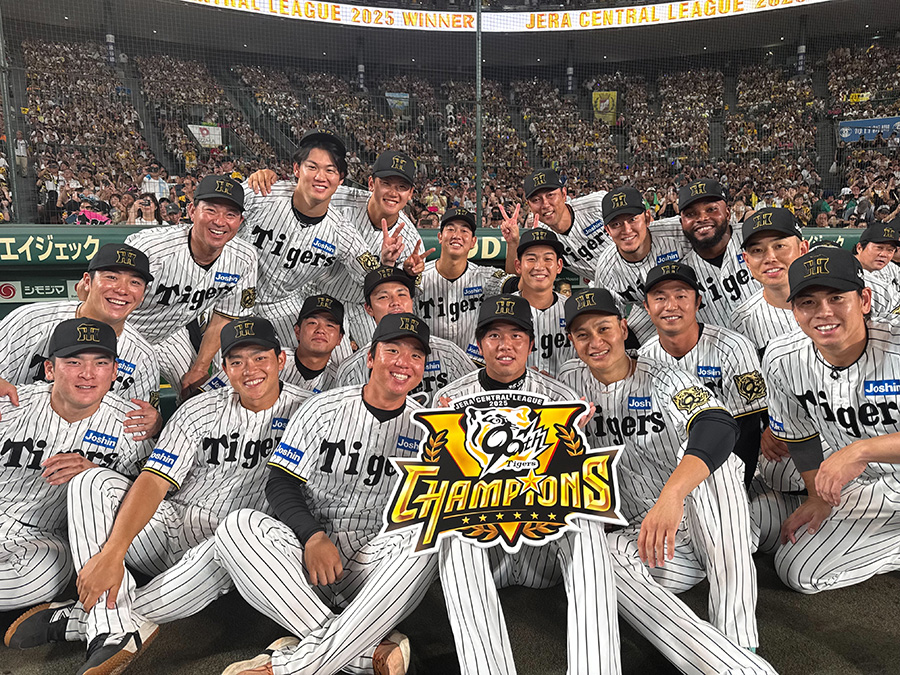
Last season did not fade quietly into winter. The Hanshin Tigers captured the Central League pennant, turning Koshien into a cauldron of noise and culminating in a massive victory parade through Osaka and Kobe. Black-and-yellow flags waved from office windows and overpasses. Players stood atop open buses. Fans wept openly. It was civic pride made visible.
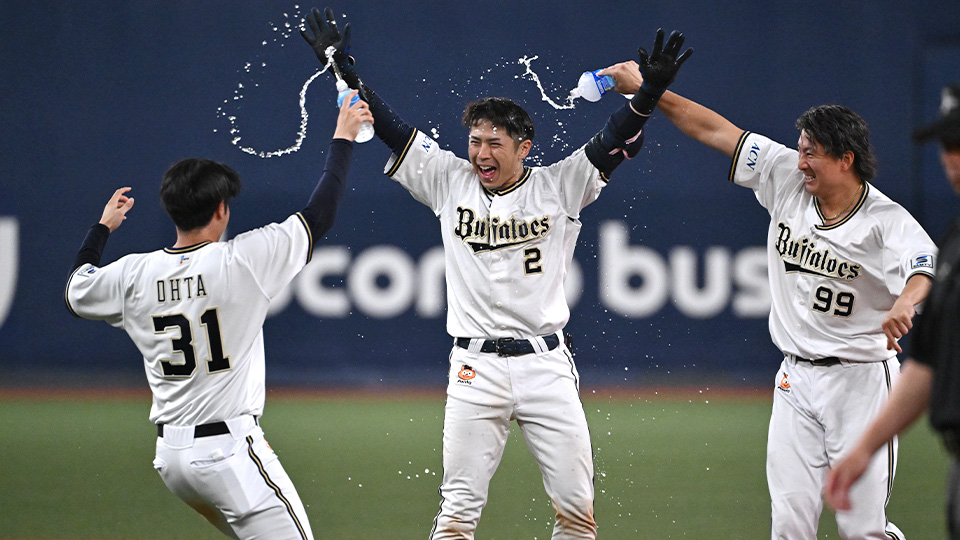
The Orix Buffaloes were no less formidable. As one of the Pacific League’s most disciplined organizations, Orix continued a run of sustained competitiveness built on pitching depth and patient development. Even after the MLB departures of franchise icons in recent seasons, the Buffaloes have proven that their model produces resilience, not regression.
Those successes were driven by names Kansai fans know well. Hanshin’s Koji Chikamoto once again set the tone with speed and consistency at the top of the lineup. Teruaki Sato delivered power in pivotal stretches. On the mound, Shoki Murakami emerged as a stabilizing force during the pennant race. For Orix, ace-level pitching and disciplined situational hitting remained the backbone of a club comfortable playing in October.
That momentum now meets a new season.
When the World Arrives in Osaka
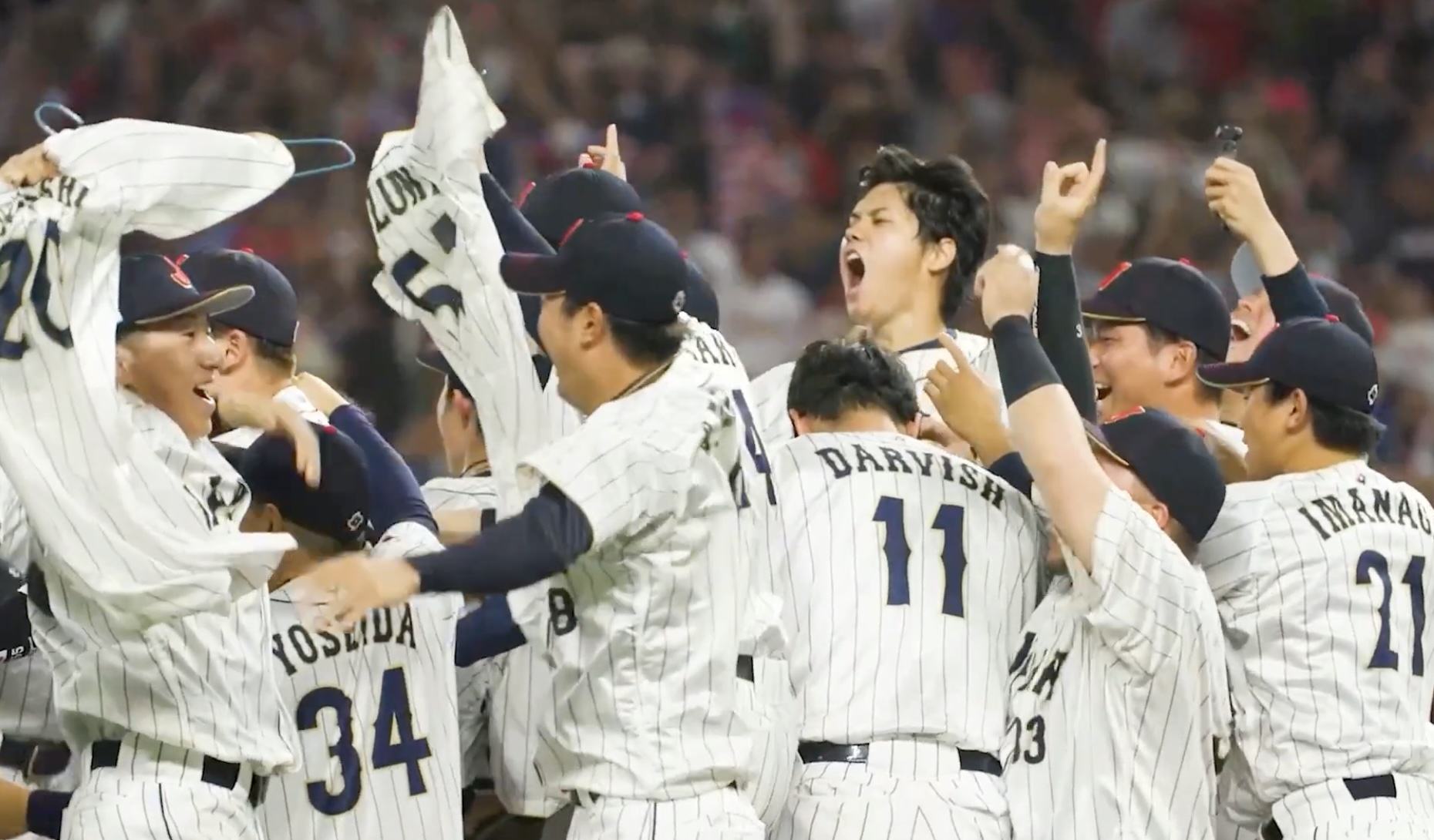
Before league standings begin to matter, Kansai briefly shares the spotlight with the world. World Baseball Classic exhibition games arrive at Kyocera Dome Osaka March 2nd and 3rd, blending national pride with local allegiance as Samurai Japan takes the field. Japan’s international identity in baseball is now inseparable from global superstars — from the Los Angeles Dodgers, Shohei Ohtani, whose two-way dominance has reshaped the sport, to Yoshinobu Yamamoto, whose precision and command made him one of Nippon Professional Baseball’s most decorated pitchers before his MLB move. Power bat Masataka Yoshida of the Boston Red Sox and outfielder Seiya Suzuki of the Chicago Cubs represent the continuing bridge between NPB excellence and Major League impact.
At the same time, Japan’s strength has always been rooted in its domestic league. NPB standouts such as Teruaki Sato of the Hanshin Tigers and rising ace Shoki Murakami, along with Pacific League talents like Hiroya Miyagi of the Orix Buffaloes, embody the depth that fuels Samurai Japan’s global ambitions. Final tournament selections are announced closer to competition, but early March performances — especially on home soil — carry narrative weight.
For a few nights, Osaka becomes a bridge between domestic passion and international prestige. The familiar rhythms of Kansai’s cheering sections blend with the intensity of global competition. Flags mix. Chants evolve. The dome feels larger than league play.
From there, the focus narrows back to something intensely local.
A Rivalry Reawakens
March 20–22 brings a rare three-game preseason Open Game series between the Hanshin Tigers and Orix Buffaloes at Kyocera Dome Osaka. These are not standings games — but they are far from trivial.
For many fans, this weekend is the first live look at the stars who carried 2025 into October. It’s a chance to see Koji Chikamoto’s speed at the top of the Tigers lineup, to watch Teruaki Sato test his power swing against live pitching, and to gauge whether Shoki Murakami’s command looks as sharp as it did during the pennant run. On the Buffaloes side, supporters will be watching for the poise of left-hander Hiroya Miyagi, the power potential of Yuma Tongu, and the continued development of young arms like Shunpeita Yamashita, whose upside has made him one of the Pacific League’s most intriguing talents.
Preseason lineups rotate more freely, which means established veterans and emerging prospects share innings in ways that rarely happen once the season begins. Managers experiment. Pitch counts are monitored. Position battles quietly unfold. For attentive fans, these games reveal hints about batting order strategy, bullpen hierarchy, and who might break camp with a larger role.
There is also the simple electricity of the matchup itself. The Tigers and Buffaloes do not share a league, and meaningful interleague clashes are limited during the regular season. That scarcity sharpens even an exhibition meeting. Black and yellow meets navy and gold. The dome fills with divided chants.
It is baseball without consequence — and yet full of implication. Then the real season begins.
Opening Day and the Weight of Expectation
The Buffaloes open their 2026 home schedule at Kyocera Dome Osaka on March 27. Expectations are no longer abstract; they are immediate. Soon after, the Tigers return to Koshien. If Kyocera provides scale and spectacle, Koshien provides emotion. Its ivy-lined walls and dirt infield carry generational memory. When the Tigers step back onto that field after a division-winning season, the noise will not be nostalgic. It will be demanding.
Defending momentum is harder than building it. Division rivals have strengthened. Early pitching depth will be tested. Bullpens will be scrutinized. In Japan’s 143-game grind, tone matters. Strong starts calm pressure. Slow stretches magnify it.

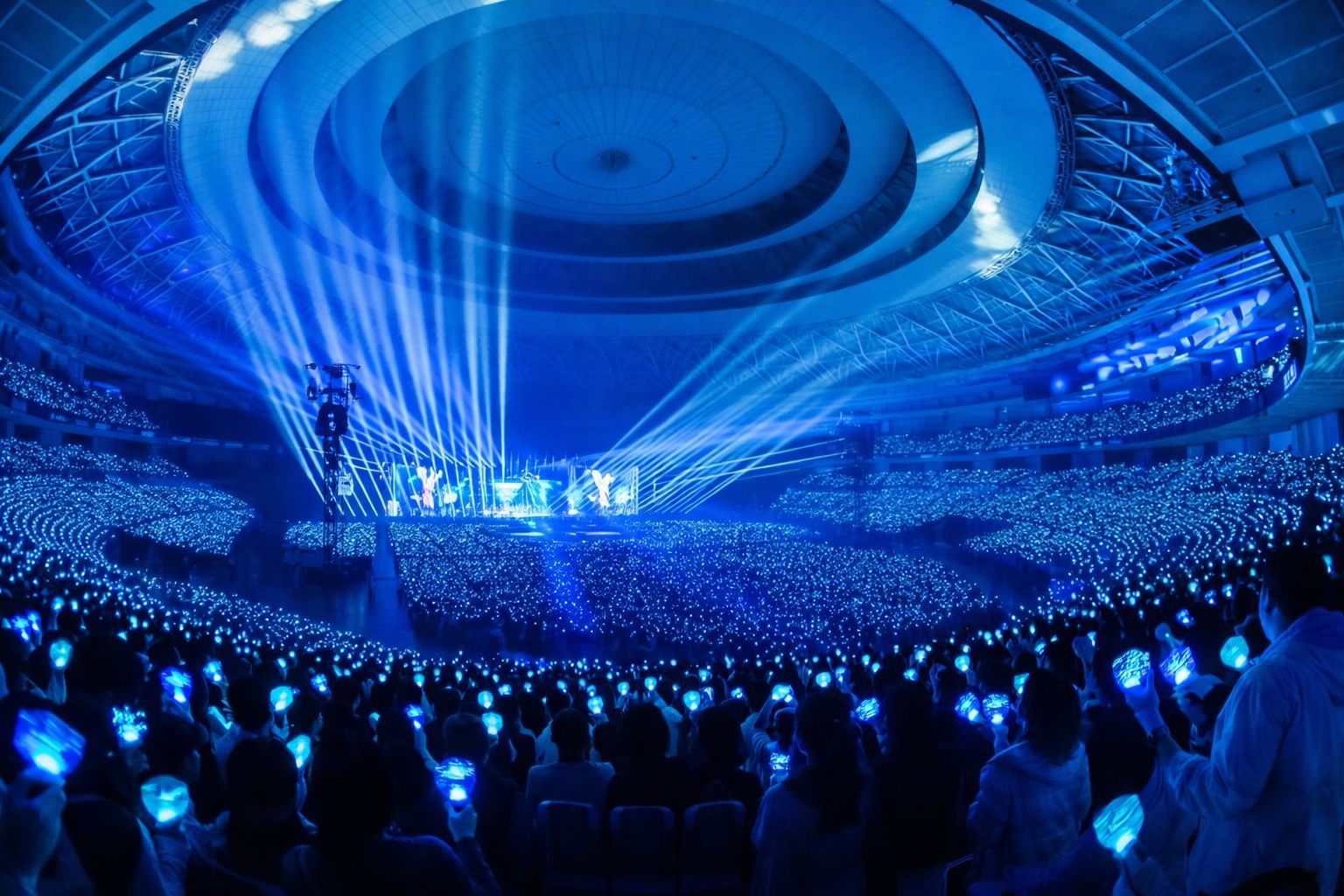
And for anyone living in Osaka — or visiting during March — this is the moment to step inside a ballpark. Chants ripple through entire sections in perfect synchronization. Whether under the roof of Kyocera Dome or beneath the open sky at Koshien, attending a game in Kansai is not just about the score. It is about joining a living ritual.
If you are in Osaka when the season begins, take the time. Buy the ticket. Learn the chant. Stand when the trumpets start. You won’t just watch baseball. You’ll experience it.
And when the first full-throated cheer rises again beneath dome lights and spring skies, one thing becomes clear: Baseball is back.
THE SCENE: FAQs
Kyocera Dome Osaka
3-2-1 Chiyozaki, Nishi-ku, Osaka 550-0023
Osaka Metro Nagahori Tsurumi-ryokuchi Line → Dome-mae Chiyozaki Station (Exit 1) – 2 min walk
Hanshin Namba Line → Dome-mae Station (Exit 2) – 5 min walk
JR Osaka Loop Line → Taisho Station (North Exit) – 7 min walk
Hanshin Koshien Stadium
1-82 Koshien Chuo-cho, Nishinomiya, Hyogo 663-8152
Hanshin Electric Railway Main Line → Koshien Station (North Exit) – 3–5 min walk
WBC Exhibition Games – Early March 2026 – Kyocera Dome Osaka
Hanshin vs Orix Preseason – March 20 (18:00), March 21 (14:00), March 22 (13:00)
Orix Home Opener – March 27, 2026 – 18:30
Hanshin Home Opener – Early April 2026 – Koshien Stadium
Orix Buffaloes: https://www.buffaloes.co.jp/ticket/
Hanshin Tigers: https://m.hanshintigers.jp/ticket/
Ticket Pia: https://pia.jp
Lawson Ticket: https://l-tike.com
eplus: https://eplus.jp
Typical Price Ranges
Upper Level: ¥2,500–¥4,500
Infield Reserved: ¥4,500–¥8,000
Premium: ¥8,000–¥15,000
Arrive 60–90 minutes early for atmosphere.
Cheering sections are coordinated; participation encouraged.
Personal photography allowed
Kyocera Dome is an indoor venue; Koshien is outdoor ballpark (check weather).
VIDEO
You may also be interested in:
Also read:
Osaka Scene: GUIDES
Festival Guide