Valentine’s Day in Japan isn’t so much about declaring love as it is about marking the season, navigating relationships with care, and enjoying something sweet. What appears understated at first is actually a carefully structured ritual shaped by custom, retail culture, and evolving social norms.
Valentine’s Day in Japan doesn’t always begin with dinner reservations or end with roses on a special day. Instead, it arrives quietly earlier in February, announced by department store pop-ups, glossy chocolate catalogs, and entire floors devoted to sweets. By the time February 14 arrives, the focus is less on romance and more on choice—what kind of chocolate to give, who to give it to, and, increasingly, what to buy for yourself.
For visitors, this can be confusing. Couples don’t flood restaurants. Proposals aren’t expected. And yet, chocolate is everywhere. In Japan, Valentine’s Day operates less as a single emotional gesture and more as a seasonal event—one shaped by routine, social expectations, and the rhythms of everyday life.
Who Gives, and Why It Matters
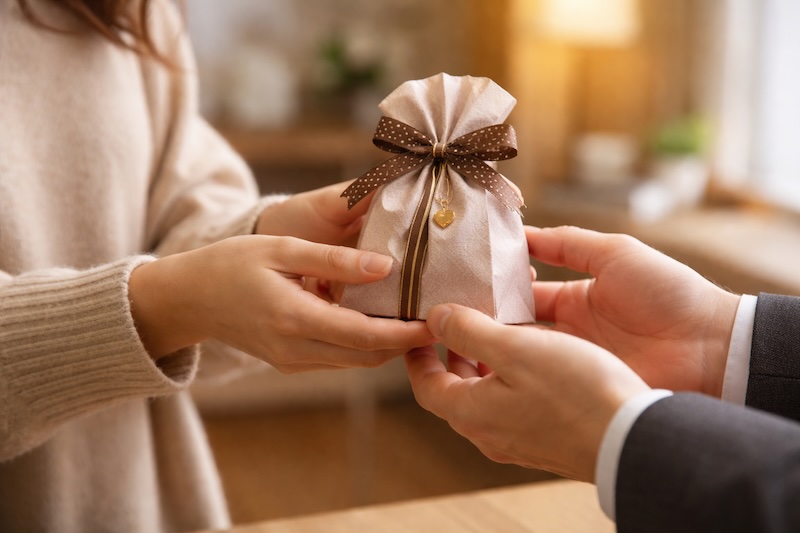
Traditionally, Valentine’s Day in Japan is a one-directional exchange: women give chocolate to men. The meaning of that gift depends entirely on context, and the distinction matters far more than the date itself.
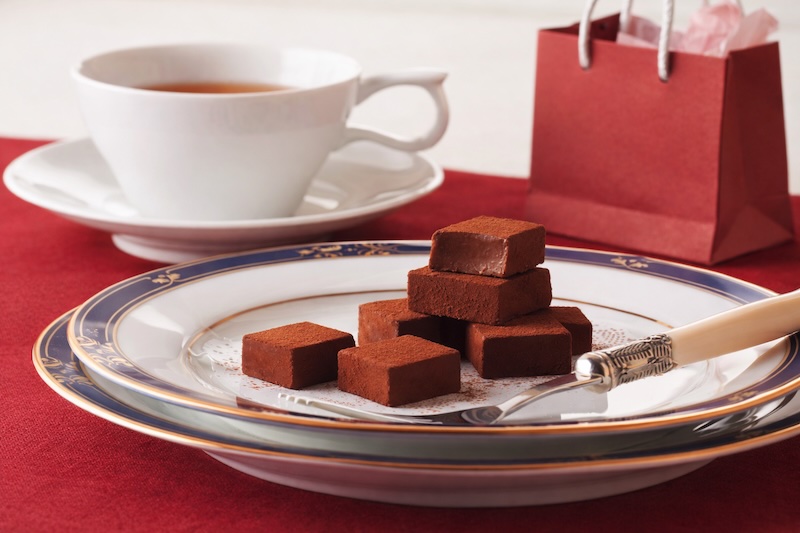
There is honmei-choco, given to a romantic partner or someone you genuinely care about. This is closest to what most people elsewhere recognize as Valentine’s chocolate, and it often involves higher-quality sweets or something chosen with personal intent.
Then there is giri-choco, obligation chocolate, historically given to coworkers, supervisors, or business contacts. It is polite rather than romantic, and while still present, it has become increasingly less popular—especially among younger workers who see it as unnecessary or burdensome.
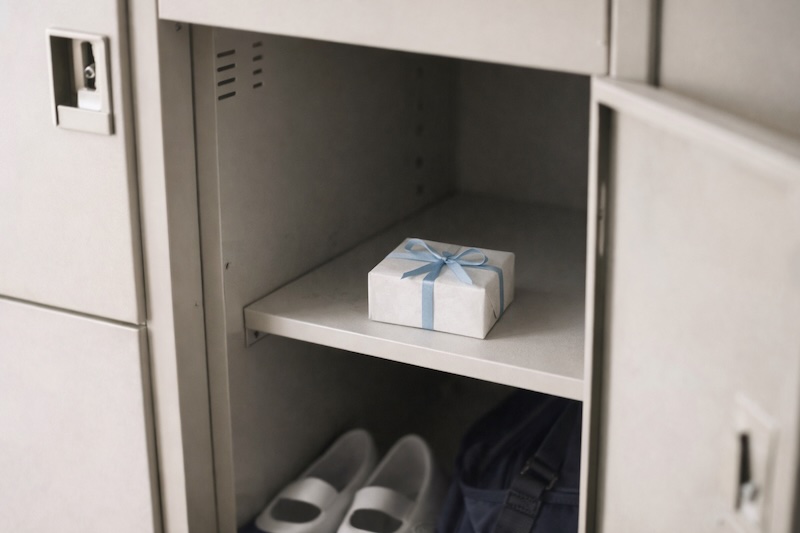
Friendship chocolates, known as tomo-choco, are common among students and close social circles, while jibun-choco, chocolate bought for oneself, has quietly become the most important category of all.
These distinctions provide the vocabulary needed to understand how Valentine’s operates in practice.
Why Valentine’s Took This Shape in Japan
Valentine’s Day did not organically develop in Japan the way it did in Europe or North America. Its modern form was shaped deliberately through postwar marketing, workplace culture, and social expectations around emotional restraint. Chocolate companies introduced the idea in the mid-20th century, but it was Japan’s structured social environment that allowed it to take hold and evolve.
The one-directional nature of the exchange—women giving chocolate to men—mirrored existing hierarchies in offices and schools, where gestures of acknowledgment were already expected to move downward or laterally rather than upward. Chocolate became a socially acceptable stand-in for emotional expression: small, consumable, and clearly bounded by custom.
This system reduced ambiguity. Giving chocolate did not require verbal confession, public display, or long-term commitment. The meaning was encoded in the type of chocolate rather than the act itself. In a culture where indirect communication often carries more weight than explicit statements, this clarity mattered.
The Rise of Self-Gifting
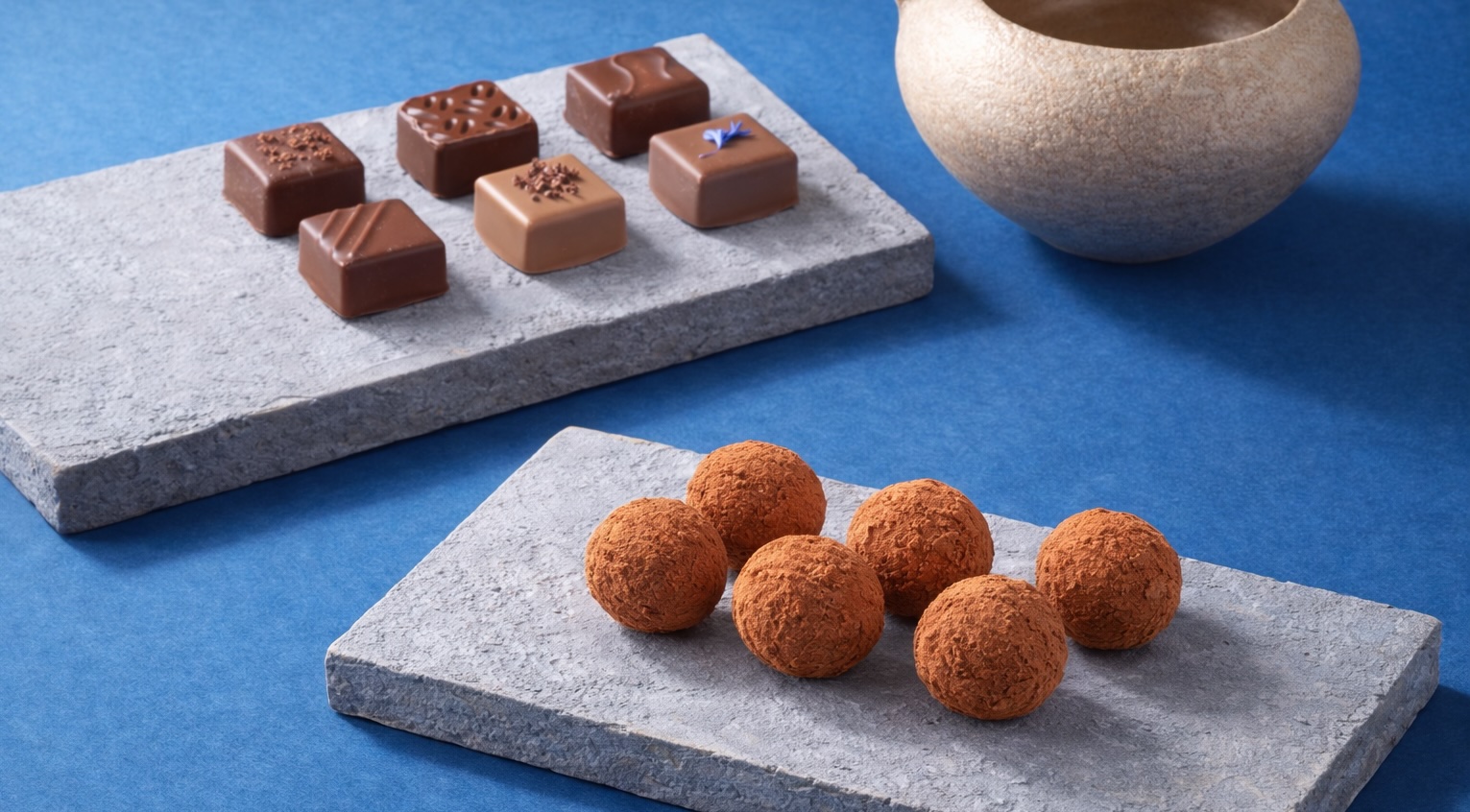
Walk through an Osaka department store in early February and it becomes clear: Valentine’s Day has shifted. Displays emphasize craftsmanship, limited editions, and global makers rather than romantic messaging. Shoppers linger over single bars, boxed assortments, and collaborations designed less for gifting and more for appreciation.
Buying chocolate for yourself is no longer framed as indulgent—it’s framed as seasonal. Valentine’s has become a time to sample flavors that won’t be available again, to explore brands from Europe and Japan side by side, and to enjoy sweets with intention rather than occasion.
In this sense, Valentine’s Day in Japan (and Osaka specifically) is very different from elsewhere. These are real, seasonal events, not just a one-day romantic holiday.
How the Tradition Is Changing Without Disappearing
While the framework of Valentine’s Day remains recognizable, its center of gravity has shifted. Obligation-based gifting has steadily declined, especially among younger workers, as office norms loosen and social expectations change. What has replaced it is not romance, but autonomy.
Self-gifting—jibun-choco—has grown not because people reject Valentine’s Day, but because the holiday now functions as permission.
This evolution explains why Valentine’s in Japan feels both commercial and personal without contradiction. The structure provides continuity, while the behavior adapts. Chocolate is still the medium, February 14 still the marker, but the emotional labor once embedded in the exchange has been redistributed.
White Day and the Delayed Response
The exchange doesn’t end on February 14. One month later, on March 14, White Day asks men to respond. Gifts—often cookies, candy, or small items—are given back to those who offered chocolate. The delay is built into the system, creating a rhythm that stretches Valentine’s beyond a single day and reinforces its ritual nature.
For many people, this delayed reciprocity further softens the pressure of February 14 itself. The focus remains on sweets, timing, and acknowledgment rather than overt romantic display.
Valentine’s Day in Japan is best understood not as a declaration of romance, but as a seasonal system—one shaped by timing, structure, and shared social understanding.season, the customs guide participation, and the holiday endures not because it demands emotion, but because it fits naturally into how people already live.