Doshomachi’s Shinno-sai Festival
The historic streets of Doshomachi come alive with lanterns, food stalls, and festival warmth as Osaka celebrates Shinno-sai — a deeply rooted celebration of health and community at Sukunahikona Shrine.
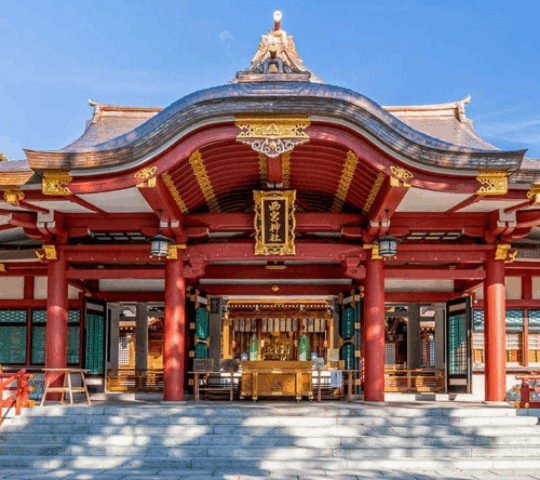
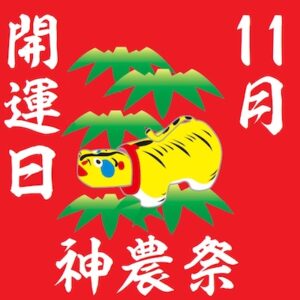 Every year on November 22 and 23, the narrow streets of Dōshōmachi fill with lantern light and warm chatter as Osaka celebrates Shinno-sai, one of the city’s final and most cherished festivals. Held at Sukunahikona Shrine, known locally as “Shinnō-san,” this two-day event transforms Osaka’s historic pharmaceutical district into a lively, welcoming neighborhood celebration dedicated to health, protection, and safe living.
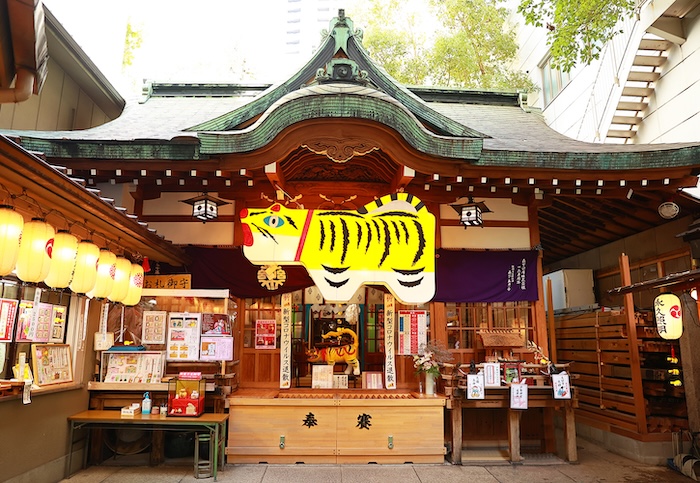
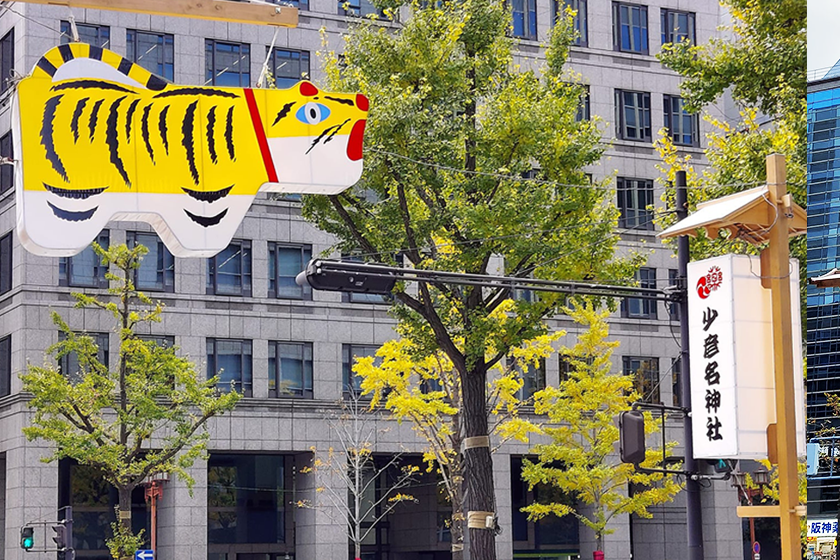
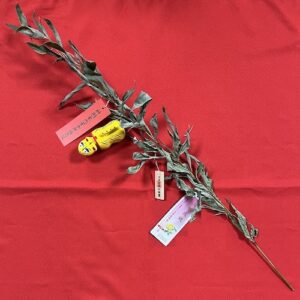
Visitors arriving throughout the day encounter an atmosphere that feels both intimate and deeply rooted. The approach to the shrine is lined with numerous food stalls (屋台), officially confirmed by the shrine, creating a seasonal street-market feel. Families, office workers from the surrounding business district, and travelers weave between the stalls—warming their hands with hot festival snacks, browsing small festival trinkets, and queueing for the festival’s most iconic item: the Hariko Tiger (張子の虎). This brightly painted tiger talisman, attached to five-leaf bamboo (五葉笹) and accompanied by a shrine ofuda, is purchased as a blessing for health and protection against illness for the coming year.
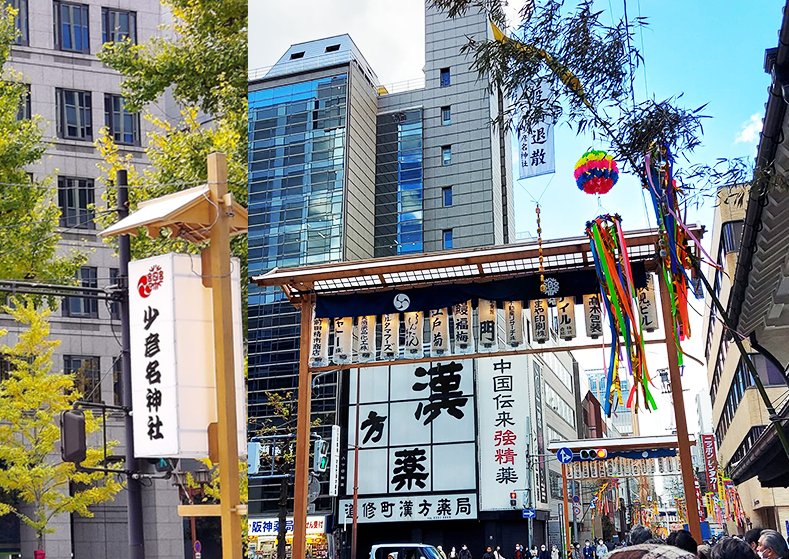
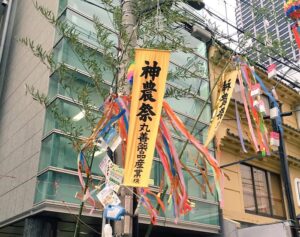 Only after settling into the excitement do many visitors realize how historic this festival truly is. Shinno-sai dates back to 1822, when a cholera epidemic struck Osaka. Pharmaceutical merchants of Dōshōmachi prepared medicinal remedies and offered prayers here, distributing tiger-head charms as symbols of healing and protection. This heritage remains at the heart of the festival today. The lanterns displayed along the streets are still donated by major pharmaceutical companies, reflecting the district’s identity as Japan’s traditional “Medicine Town.”
 Throughout November 22 and 23, the shrine grounds are open from 10:00 to 20:00, though certain times—especially midday on the 22nd—may see entry restrictions due to congestion or official activities. The shrine has announced that on November 22, around 9:45 AM, access will be temporarily limited due to an official shrine photo session, and that 2:00–3:00 PM is expected to be the most crowded period of the day. Visitors seeking a calmer experience will find the late afternoon and early evening to be particularly pleasant.
Despite being modest in scale, Shinno-sai remains one of Osaka’s most meaningful year-end experiences—rich with heritage, community warmth, and spiritual significance. Whether you come for the food stalls, the talismans, the history, or simply to soak in a genuine neighborhood festival, Shinno-sai offers a revealing look at Osaka’s culture beyond its major attractions.

 Healing Tigers – Purchase the iconic Hariko Tiger talisman attached to five-leaf bamboo.
Lantern-lined Streets – Pharmaceutical companies decorate Doshomachi with lantern offerings.
Local Food Stalls – Enjoy warm seasonal snacks and drinks lining the shrine’s approach.
Medicine Town Heritage – Experience Osaka’s historic pharmaceutical district in festival mode.
Evening Atmosphere – Visit after 4 PM for calmer crowds and beautiful lantern glow.
Photos: Official Website

THE SCENE: FAQ’s
ACCESS
Venue: Sukunahikona Shrine (少彦名神社)
Address: 2-1-8 Doshomachi, Chuo-ku, Osaka City 541-0045
Access: Osaka Metro Sakisuji Line and Keihan Main Line to Kitahama Station.
Sukunahikona Shrine is located in Osaka’s historic Doshomachi district, a short 5 minute walk from Kitahama Station's Exit 6.
Streets are narrow but flat, with expected congestion on November 22 between 14:00–15:00 due to peak crowds.
SCHEDULE
Festival Dates: November 22–23, 2025.
Festival Hours: 10:00–20:00.
Special Notes: On November 22 at around 09:45, shrine grounds will have temporary entry restrictions due to official photography. Peak congestion is expected 14:00–15:00.
Festival-limited Goshuin are available 09:30–16:00.
TICKETS
Admission is free. Hariko Tigers (張子の虎) and five-leaf bamboo charms require purchase onsite (prices not listed officially). Festival-limited Goshuin also available and require a donation.
INFO & TIPS
FOOD & STALLS
The shrine officially confirms that numerous food stalls line the approach during the festival. Typical matsuri offerings include warm drinks, grilled items, sweets, and small festival treats, though no official vendor list is provided.
CEREMONIES & RITUALS
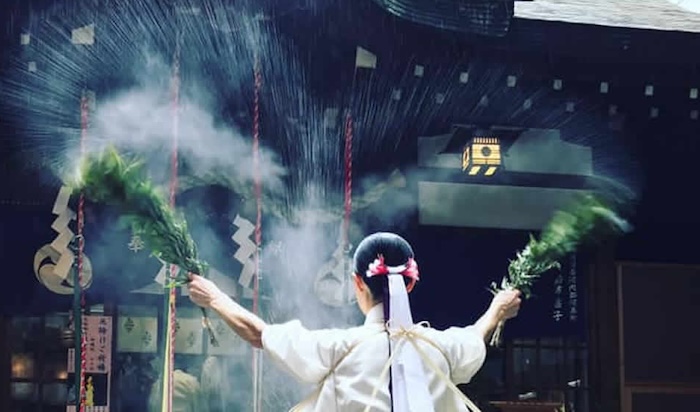
The main ritual centers on the distribution of the Hariko Tiger talisman, originating from the 1822 cholera epidemic. The festival honors Sukunahikona-no-Mikoto and Shennong, deities of medicine. No detailed timed ceremony schedule is published for 2025.
POLICIES & TIPS
Arrive after 16:00 for a more relaxed atmosphere. Dress warmly for late November evenings. Photography is allowed in public areas but may be restricted during rituals or inside sacred spaces. Expect heavy crowds during the early afternoon of November 22.
CONTACT
Phone: 06-6231-6958
Website: https://www.sinnosan.jp/