Secrets of a Zen Temple Revealed
Normally hidden treasures from Kyoto’s great Zen temple Myoshinji are on display in Osaka, including rare tiger screen paintings and dramatic temple art rarely seen by the public.
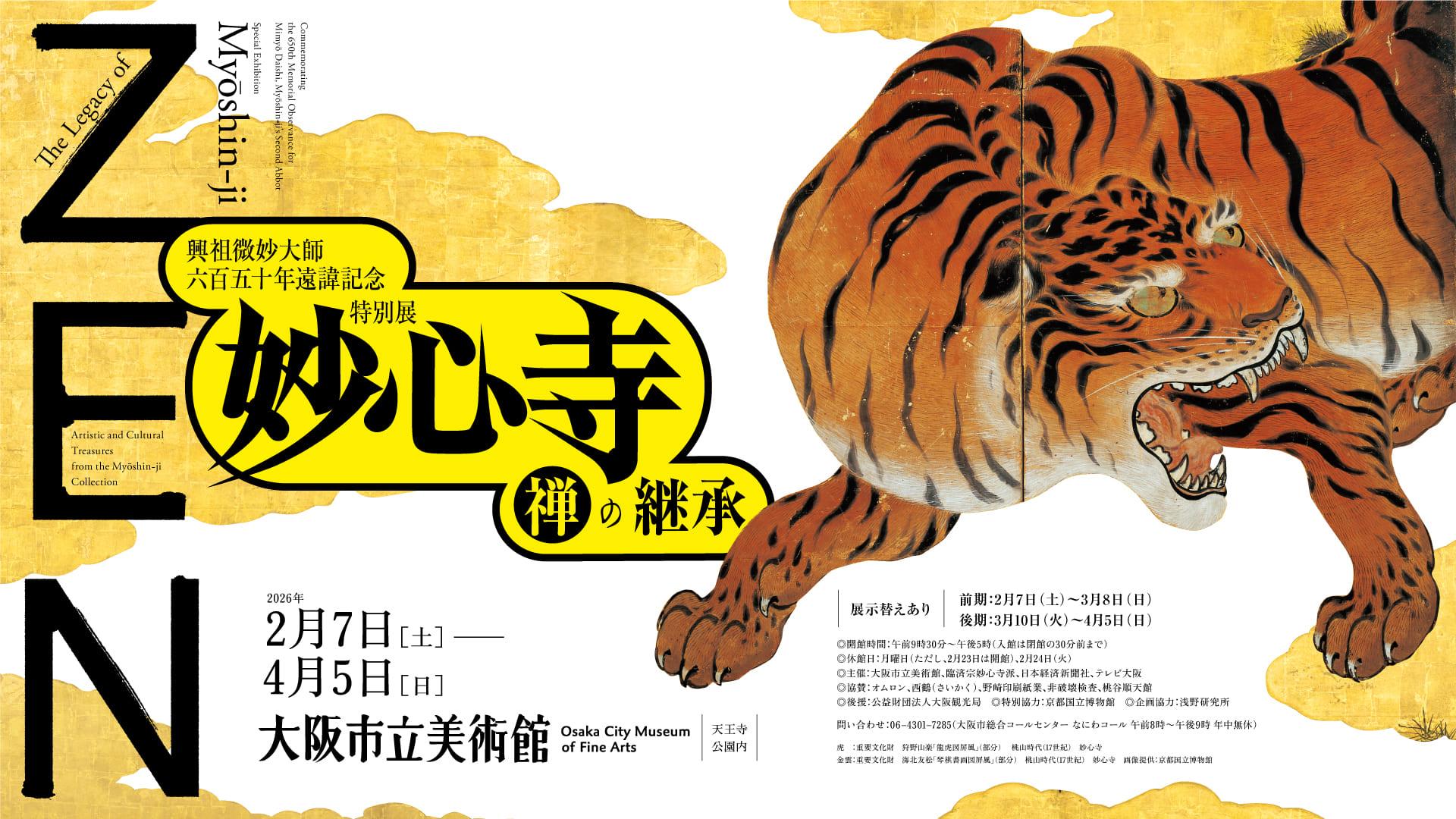
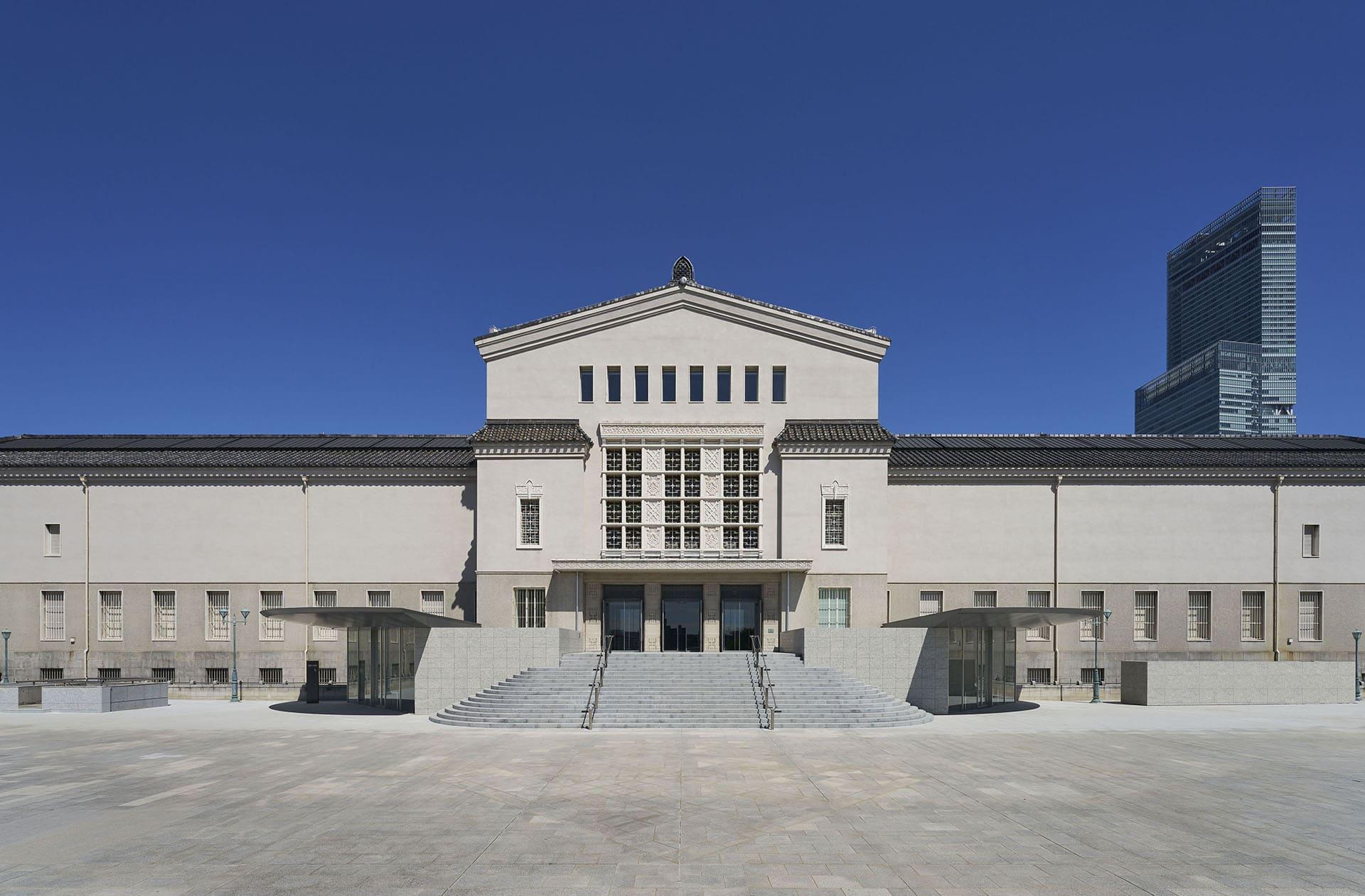
A rare look inside one of Japan’s most important Zen temple complexes has arrived in Osaka. The special exhibition “Myoshinji: The Legacy of Zen” is now on view at the Osaka City Museum of Fine Arts, through April 5th, 2026, bringing centuries of Zen culture and temple treasures from Kyoto to the city.
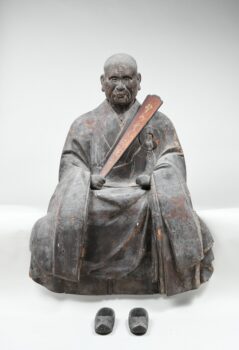
The exhibition commemorates the 650‑year memorial of Mimyō Daishi, a key early figure in the development of the Rinzai Zen tradition at Myoshinji Temple. Located in Kyoto’s Hanazono district, Myoshinji is one of the largest Zen temple complexes in Japan, with dozens of sub‑temples spread across its historic grounds. Through paintings, religious artifacts, and temple treasures, the exhibition traces how Zen philosophy and artistic traditions have been transmitted through the centuries.
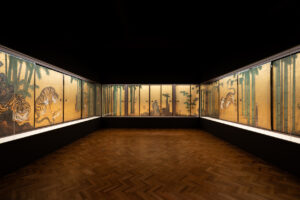 One of the exhibition’s most striking features is the display of gold‑leaf sliding screen paintings from Tenkyuin, a sub‑temple of Myoshinji. These dramatic fusuma screens feature powerful tiger imagery set among bamboo landscapes, reflecting the bold aesthetic long associated with Zen temple interiors.
 In Zen temple art, tiger paintings carried symbolic meaning beyond their dramatic appearance. In East Asian Buddhist iconography, the tiger represents spiritual power, vigilance, and the disciplined strength associated with Zen practice. Many temples commissioned large tiger screens for reception halls and study rooms where monks gathered, creating spaces that felt both contemplative and awe‑inspiring. The Tenkyuin screens displayed in this exhibition are among the finest surviving examples of this tradition, offering visitors a rare glimpse into the visual world of Zen temple life.
Visitors can also explore additional elements designed to bring Zen temple culture to life. A special AR experience recreates the famous dragon ceiling painting from Myoshinji’s lecture hall, allowing the legendary dragon to appear above the gallery space when viewed through a smartphone.
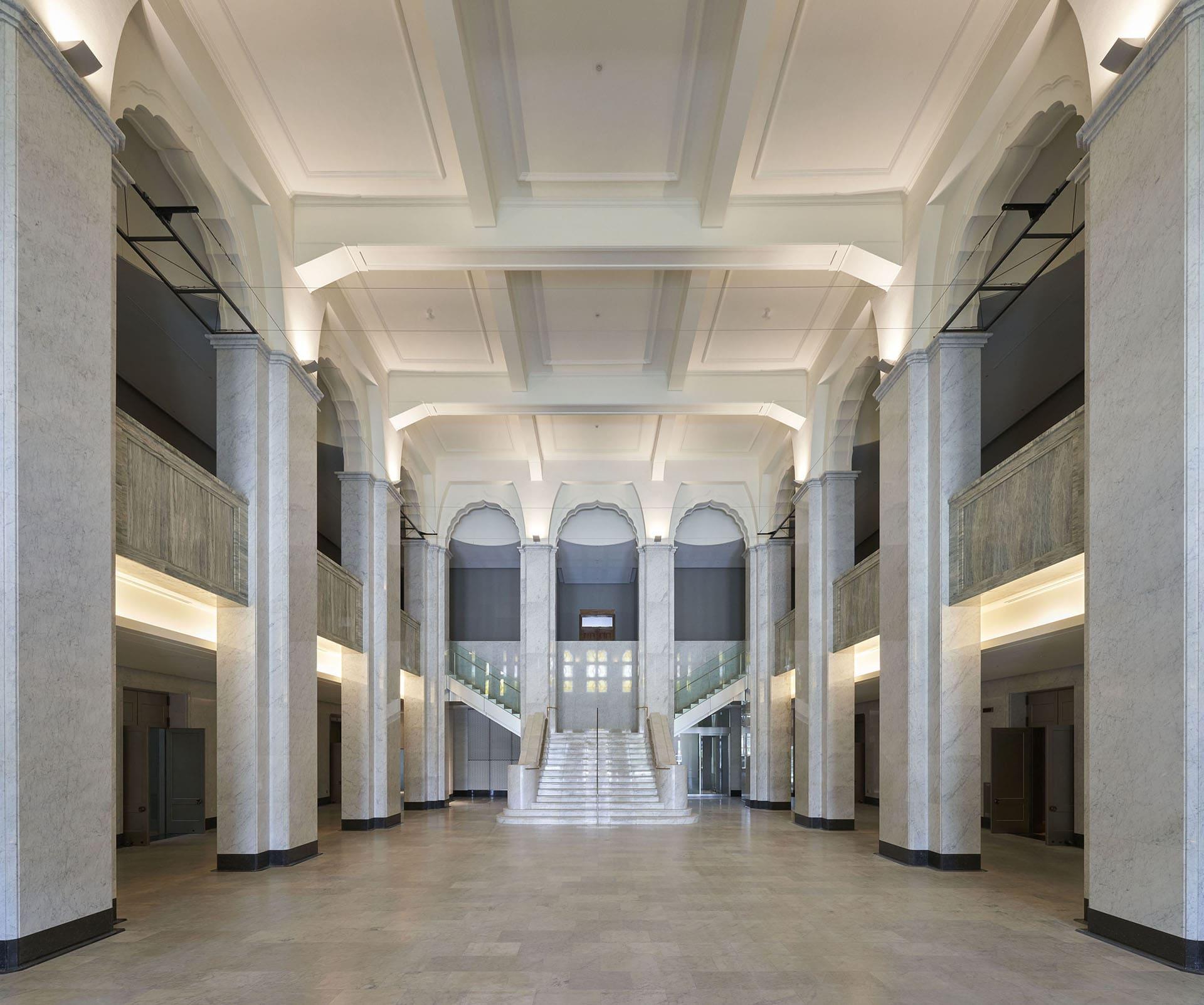
Held inside the historic art museum in Tennoji Park, the exhibition offers a rare chance to see temple artworks that normally remain inside Kyoto’s temple grounds. With its combination of religious history, dramatic paintings, and immersive displays, the exhibition provides a fascinating window into the cultural legacy of Zen in Japan.

 Hidden Temple Treasures – Artworks and religious objects rarely displayed outside temple grounds.
Tiger Screen Masterpieces – Gold‑leaf fusuma paintings depicting powerful tiger imagery.
650‑Year Zen Legacy – Commemorating the 650‑year memorial of the history of Zen transmission.
Dragon AR Experience – An augmented‑reality installation recreates famous dragon ceiling paintings.
Zen Culture in Osaka – Explore one of Japan’s most influential Zen temples without leaving the city.
Photos: Official Website
Maps
Contact
Opening Hours
THE SCENE: FAQ’s
ACCESS
Venue: Osaka City Museum of Fine Arts
Address: 1-82 Chausuyamacho, Tennoji Ward, Osaka
Inside Tennoji Park
Nearest Stations
• Osaka Metro Midosuji Line / Tanimachi Line → Tennoji Station
Exits 15, 16, or 17
Walk about 10 minutes through Tennoji Park to the museum.
• JR Osaka Loop Line → Tennoji Station
Central Ticket Gate / Central Exit
Walk about 10 minutes through Tennoji Park.
• Kintetsu Minami-Osaka Line → Osaka-Abenobashi Station
West Ticket Gate / West Exit
Walk about 10 minutes.
• Hankai Tramway Uemachi Line → Tennoji-ekimae Station
Walk about 10 minutes.
How to Find It
• The museum sits inside Tennoji Park, one of Osaka’s main cultural districts.
• Follow signs for Osaka City Museum of Fine Arts from Tennoji Station and walk through the park.
• Nearby landmarks include Tennoji Zoo and the park’s central green space.
Helpful Tip
• Tennoji Station is a major transport hub, so this exhibition is easy to combine with other nearby attractions in Tennoji and Shinsekai.
SCHEDULE
Exhibition Dates
• February 7 – April 5, 2026
Opening Hours
• 9:30 AM – 5:00 PM
• Last entry: 4:30 PM
Closed
• Mondays
• Exception: open on February 23
• Closed on February 24
Artwork Rotation
The exhibition is divided into two display periods with some works rotated:
• Early period: February 7 – March 8
• Late period: March 10 – April 5
Special Features
• AR experience recreating the dragon ceiling painting from Myoshinji’s lecture hall
• Japanese-language audio guide available during the exhibition
Helpful Tip
• If there is a specific artwork you want to see, check whether it appears in the early or late display period before visiting.
TICKETS
Admission Prices
• Adults: ¥2,000
• University / High School Students: ¥1,300
• Elementary / Junior High Students: ¥500
Advance Tickets
• Discounted advance tickets were previously sold for ¥1,800
• Check the official museum site or ticketing partners for current availability
Where to Buy
• Museum ticket counter
• Authorized ticket sellers listed by the museum
• Official exhibition website
Official Exhibition Page
https://www.osaka-art-museum.jp/sp_evt/myosinji
Audio Guide
• Japanese audio guide: ¥700
• Narrated by Kabuki actor Nakamura Hayato
Helpful Tip
• Weekend and holiday afternoons are typically busiest, so earlier entry is better if you want a quieter viewing experience.
INFO & TIPS
Photography
• Photography may be restricted in some galleries
• Follow all posted instructions inside the museum
How Long to Allow
• Plan about 60–90 minutes for a comfortable visit
• Allow longer if you want to use the AR feature or audio guide
What Makes This Exhibition Special
• Rare temple treasures from Kyoto’s Myoshinji
• Gold-leaf tiger screen paintings from Tenkyuin
• AR dragon ceiling recreation
• Works that are normally not open to the public
Best Time to Visit
• Weekday mornings are usually the most relaxed
• Cherry blossom season in Tennoji Park may increase visitor traffic in late March and early April
Nearby Add-Ons
• Tennoji Park
• Tennoji Zoo
• Shinsekai
• Abeno Harukas area
Helpful Tip
• This is a strong rainy-day or weekday culture stop in Osaka, especially for readers interested in Japanese art, Buddhism, and Kyoto temple history.
Contacts
Official Exhibition Website
https://www.osaka-art-museum.jp/sp_evt/myosinji
Museum Website
https://www.osaka-art-museum.jp
Venue
Osaka City Museum of Fine Arts
Tennoji Park, Tennoji Ward, Osaka