
Spring is Sprung
Osaka joins the rest of Japan in observing Vernal Equinox Day — a national public holiday that marks the balance of day and night. It’s not a festival with fireworks, but a collective pause that invites the city outdoors to welcome spring and honor ancestors.
On March 20, 2026, Osaka joins the rest of Japan in observing Vernal Equinox Day (Shunbun no Hi), a national public holiday that marks the moment day and night stand in near-perfect balance. While many countries build their calendars around wars, revolutions, or political milestones, Japan does something quietly different — it pauses for the turning of the earth itself.
Established as a public holiday under Japan’s 1948 Public Holiday Law, Vernal Equinox Day is officially designated as a day “to admire nature and cherish living things.” The timing shifts slightly each year based on astronomical calculations, but its meaning remains constant: spring has arrived. The holiday also coincides with Higan, a Buddhist observance period during which families visit graves, offer flowers and incense, and reflect on ancestors. The result is a rare combination of seasonal awareness and quiet remembrance woven into a modern national day off.
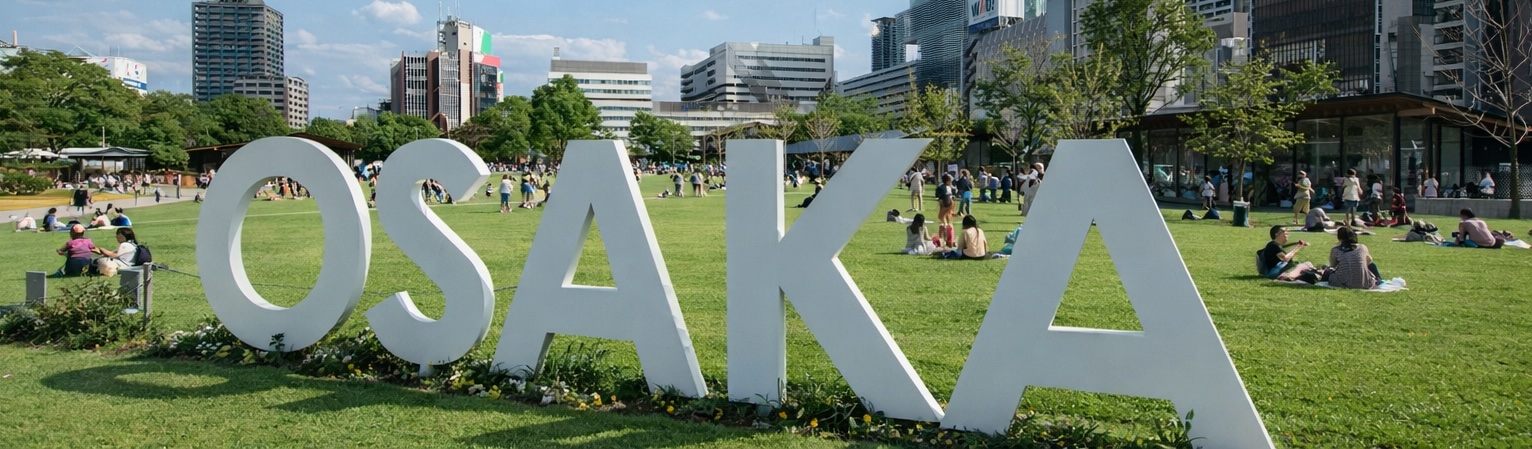
In practical terms, the city feels different. Government offices, banks, and post offices close. Schools are out. Trains run on holiday schedules. Meanwhile, parks, riversides, and temple grounds grow noticeably busier. Families stroll under early blossoms. Couples spread picnic blankets. Elderly visitors carry fresh flowers toward temple cemeteries. It feels less like a festival and more like a collective exhale.
What Can I do Today to observe Shunbun no Hi?
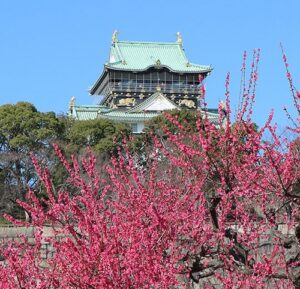 For visitors, this makes Vernal Equinox Day one of the most natural days to experience Osaka outdoors. Osaka Castle Park fills with walkers and photographers scanning for the first sakura hints. Expo ’70 Commemorative Park offers wide-open lawns and seasonal blooms. Along the Okawa River near Kema Sakuranomiya, locals begin their annual spring ritual of checking tree buds in anticipation of full bloom.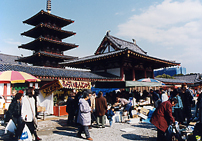
At Shitennoji Temple — one of Japan’s oldest Buddhist temples — the equinox carries particular weight. During the Spring Higan period surrounding March 20, the temple holds formal services tied to ancestral remembrance. On the equinox itself, a sunset observance known as Nichikan invites worshippers to watch the sun descend beyond the temple’s western gate — a symbolic gesture rooted in Buddhist teachings about balance and the “other shore.”
Unlike louder seasonal events, Vernal Equinox Day is subtle by design. There are no headliner stages or fireworks. Instead, the atmosphere encourages participation through presence: being outside, noticing the light, honoring family lineage, and welcoming spring’s shift. In a city as energetic as Osaka, that gentle pause is meaningful.
If you find yourself in Osaka on March 20, don’t treat it as simply a day off. Treat it as Japan does — as an invitation to step outdoors and notice the season changing.

 Astronomical Moment — The official balance of day and night marks spring’s arrival.
National Pause — Banks and government offices close; parks fill with families.
Higan Observance — Temple visits and ancestral reflection during equinox week.
Outdoor Energy — Osaka Castle Park and Expo ’70 Park see increased foot traffic.
Seasonal Shift — Often aligns with the first signs of sakura buds in Osaka.
Photos: Osaka Scene Staff
THE SCENE: FAQ’s
ACCESS
Vernal Equinox Day is observed citywide.
Popular destinations include:
Osaka Castle Park
JR Osaka Loop Line → Osakajokoen Station
Expo ’70 Park
Osaka Monorail → Banpaku-kinen-koen Station)
Shitennoji Temple
Tanimachi Line → Shitennoji-mae Yuhigaoka Station
SCHEDULE
Friday, March 20, 2026
All-day national public holiday.
Transit services operate on a holiday timetable.
ADMISSIONS
Many of Osaka's Public parks and outdoor spaces are free to enter.
Some have nominal entrance fees depending on location.
Individual attractions within parks may charge separate admission fees.
INFO & TIPS
Expect increased foot traffic in major parks and temple grounds. Bring small cash if making offerings at temples. Check specific attraction hours in advance, as some facilities may operate shortened holiday schedules.
Contacts
For official public holiday information, refer to Japan’s Cabinet Office website: https://www8.cao.go.jp/chosei/shukujitsu/gaiyou.html
