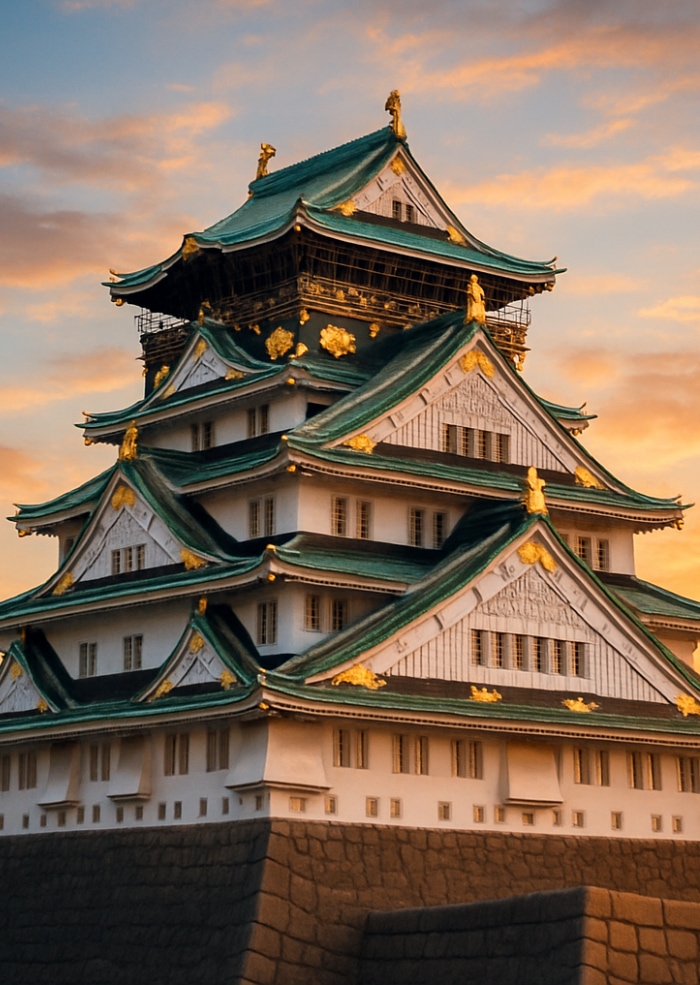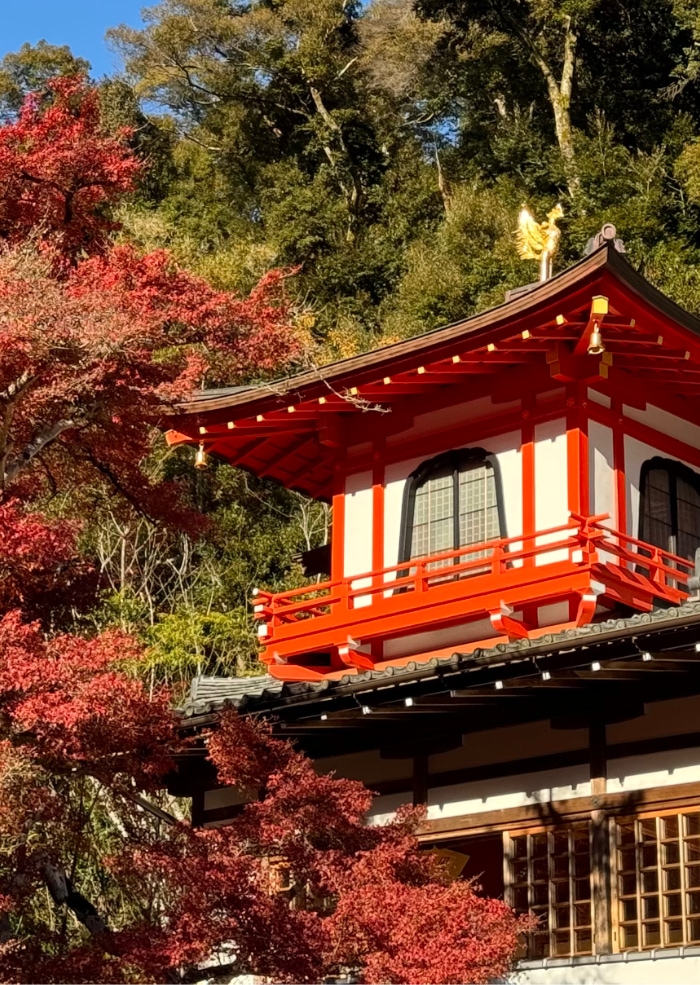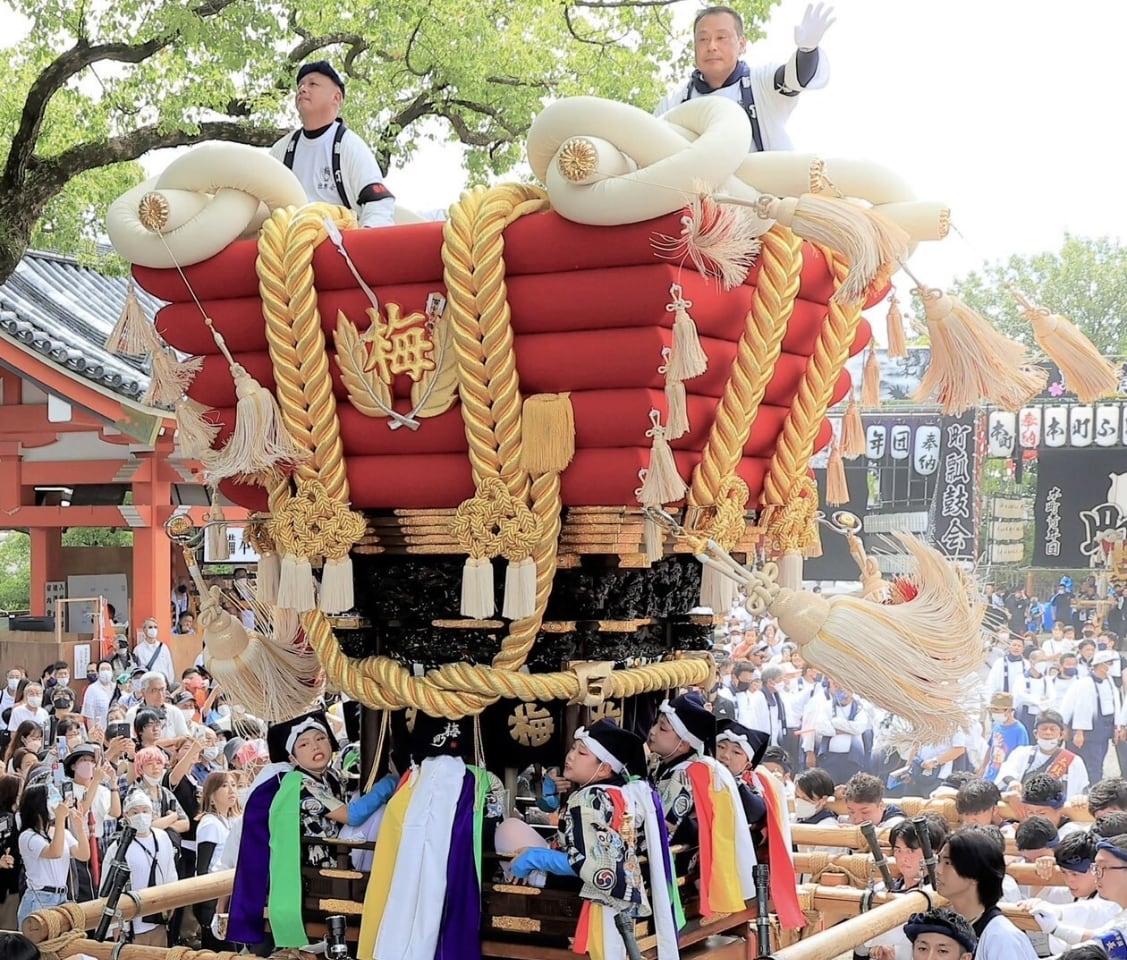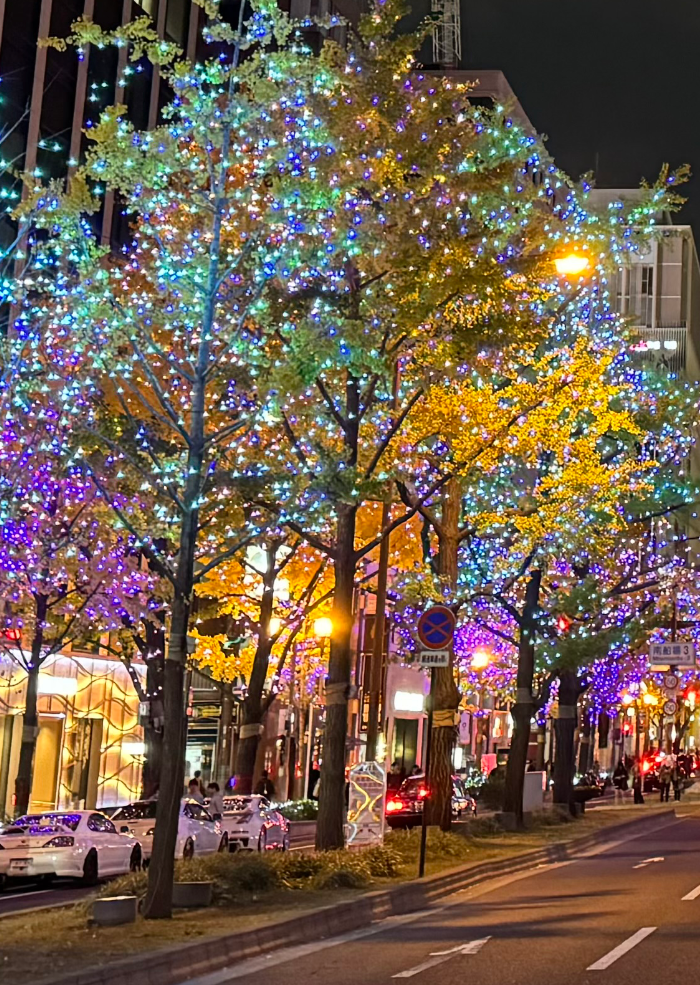
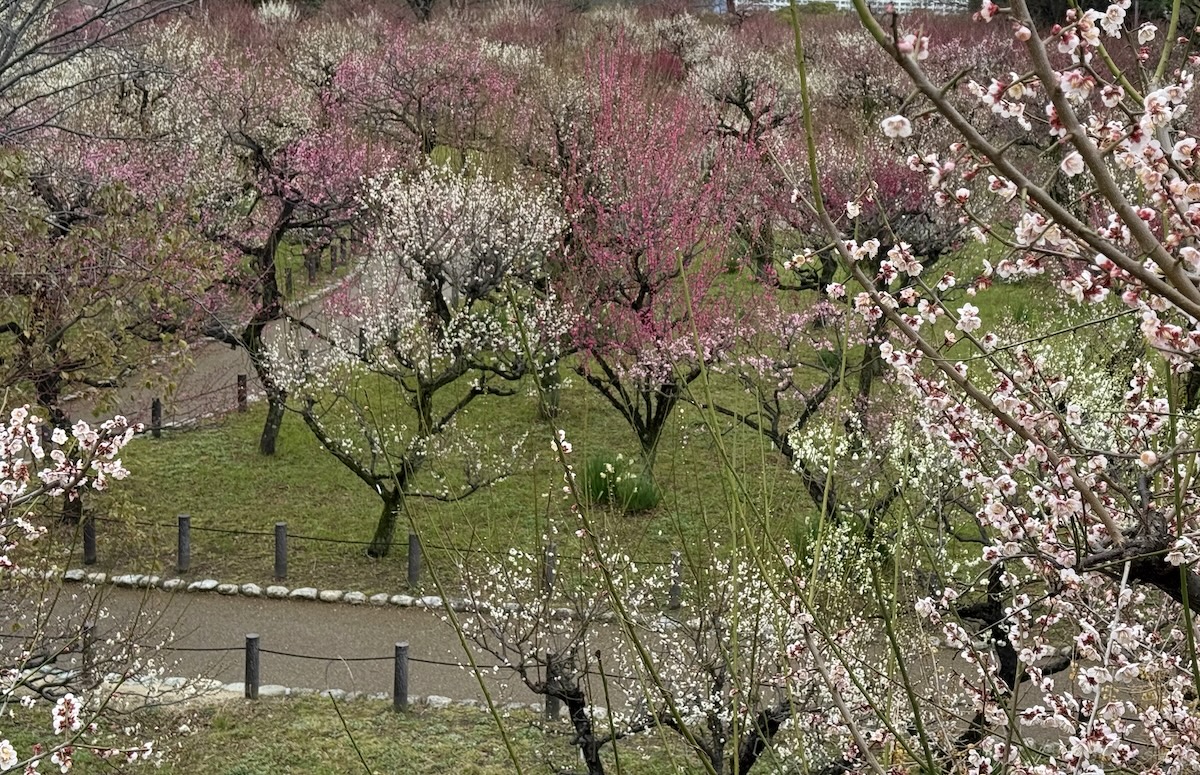
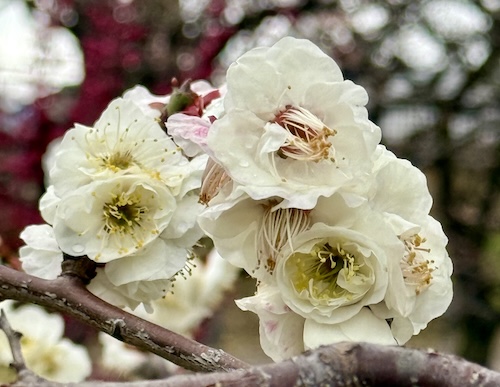
 For a more intimate and culturally resonant plum blossom experience, many locals make their way to Osaka Tenmangu Shrine. Tucked just south of Tenjinbashi, plum trees bloom around the grounds, their branches framing shrine halls, stone lanterns, and gravel paths worn smooth by centuries of footsteps making for wonderful photo opportunities.
Osaka Tenmangu is dedicated to Sugawara no Michizane, the deity of learning, scholarship, and perseverance. Plum blossoms are deeply tied to his story, and as a result, ume carries a special symbolic weight here. The flowers represent resilience, loyalty, and renewal — themes that feel especially fitting as the city transitions from winter toward spring.
Unlike larger park settings, plum viewing at Tenmangu unfolds at a more reflective pace. Visitors pause to offer prayers, students stop by to write wishes for academic success, and locals move quietly between the buildings. On weekday mornings in particular, the atmosphere is calm and contemplative, with the soft fragrance of blossoms lingering in the air and the sound of footsteps echoing lightly against stone.
Visiting during plum season offers more than a visual experience. It’s an opportunity to witness how seasonal change is woven into daily spiritual life in Osaka. For those seeking a deeper cultural connection, Osaka Tenmangu’s plum blossoms provide a glimpse into how nature, belief, and routine intersect in subtle, meaningful ways.
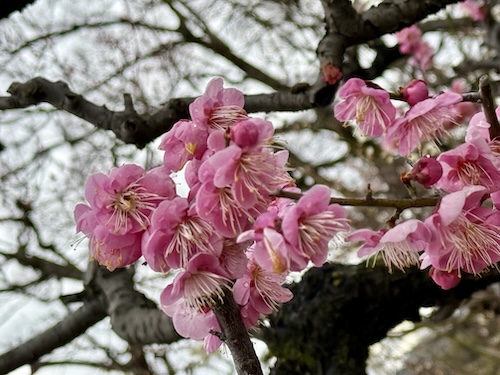 Located in northern Osaka, about 40 minutes from central areas like Umeda by train and monorail, Expo ’70 Commemorative Park offers one of the city’s largest and most varied plum blossom collections outside the castle grounds.
What sets Expo ’70 Park apart is its sheer scale and variety. Hundreds of plum trees are planted across a broad area rather than concentrated in a single grove, meaning different sections bloom at slightly different times. This often extends the overall viewing window, making the park a reliable option even when peak conditions have already passed elsewhere. Photographers, in particular, appreciate the open sightlines and changing backdrops as the light shifts throughout the day.
The park’s appeal goes well beyond flower viewing. Originally built for the 1970 World Expo, the grounds are dotted with landmarks that make a visit feel like a full outing rather than a single-purpose stop. Because of this mix of nature, art, and open space, Expo ’70 Park is ideal for visitors looking to spend half a day rather than an hour. Many people combine plum blossom viewing with a slow lunch break, a stroll through the gardens, or time simply sitting on the grass as winter begins to soften. Compared to the more iconic but busier Osaka Castle area, the atmosphere here feels expansive and relaxed — less about landmarks, more about wandering.
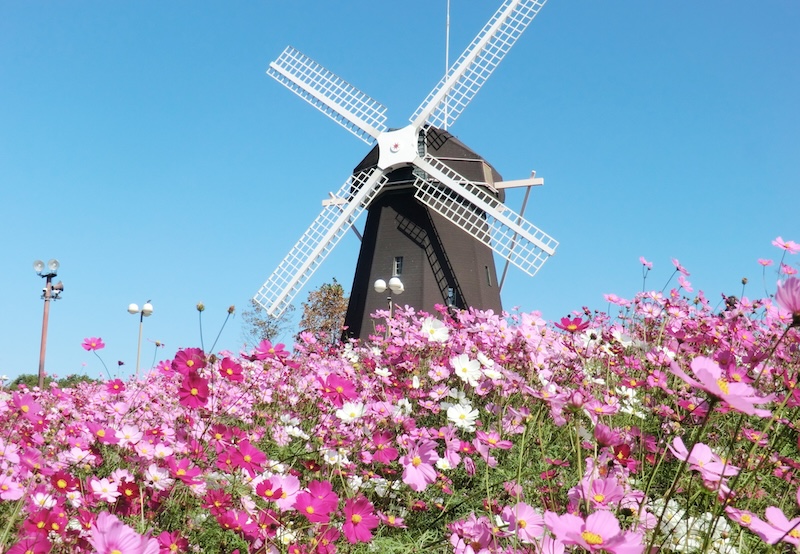 Set on the eastern edge of the city, Tsurumi Ryokuchi Park offers one of the most relaxed ways to experience plum blossom season in Osaka. Plum trees here bloom across open lawns and along walking paths rather than in a tightly defined grove. The effect is subtle and unforced. Blossoms appear gradually as you move through the park, often catching visitors by surprise as branches arch over paths or cluster near quiet corners of the grounds. This slower reveal makes Tsurumi Ryokuchi especially appealing to those who enjoy wandering without a fixed route.
Unlike Osaka Castle Park, which draws large numbers of visitors during peak bloom, Tsurumi Ryokuchi remains noticeably calm throughout ume season. Joggers pass by, families take short walks, and locals sit on benches with coffee in hand, treating the blossoms as part of daily scenery rather than a special destination.
Originally developed as the main site of the 1990 International Garden and Greenery Exposition, the park is expansive, flat, and deeply rooted in everyday local life — the kind of place residents visit without a second thought, even during the colder months. Because the park is easily accessible by subway and largely barrier-free, it’s also a comfortable option for visitors who want an easy stroll without crowds or elevation changes.
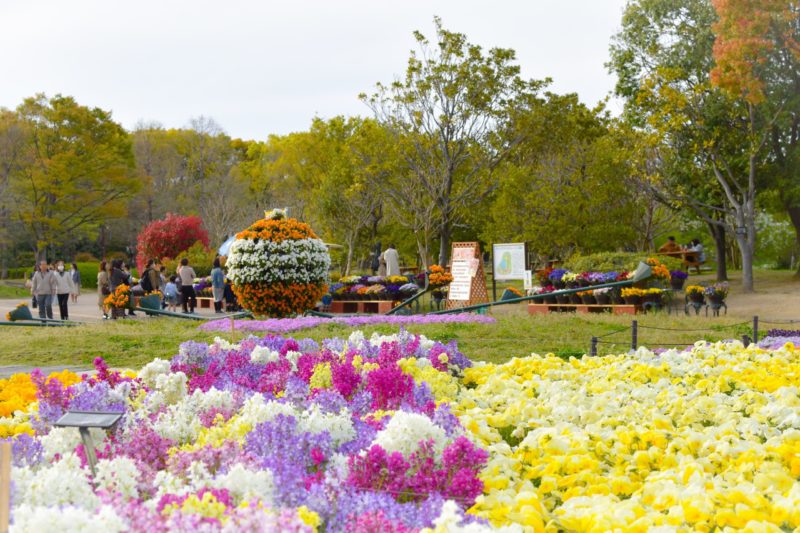 Nagai Park, located in southern Osaka, presents plum blossom viewing within a broader horticultural setting. Known citywide for its spacious grounds and botanical facilities, the park integrates ume trees into a landscape that includes ponds, lawns, and seasonal plantings.
Like Tsurumi-Ryokuchi Park, Plum trees here are not concentrated in a single showpiece area. Instead, they are scattered across the park, encouraging repeat visits as different sections bloom at slightly different times. This layered approach gives Nagai Park a quieter, exploratory feel — visitors often come for a walk or exercise and gradually discover the blossoms rather than arriving with a single destination in mind.
The presence of the Osaka Museum of Natural History and the botanical garden within the park adds depth to the experience. For those interested in plants beyond ume alone, Nagai Park offers context: how plum blossoms fit into Osaka’s wider natural calendar, alongside camellias, early spring greenery, and other late-winter flora.
Because Nagai Park is less tourist-oriented than Osaka Castle Park, it tends to remain uncrowded even during peak bloom. This makes it well-suited for longer, slower visits — an aftern