
April Sounds: Legends, K-Pop and Electronic Legacy
A city-wide soundtrack, from arena icons to underground pulse
April in Osaka is unusually stacked — not just in volume, but in range.
What stands out isn’t just who’s playing, but how different these shows feel from each other. A dome-scale pop spectacle, as IVE fills Kyocera Dome with a full K-pop production — lightsticks moving in sync, choreography locked in, a crowd that’s built the night around it.
Then there’s Deep Purple, still doing what they’ve always done — loud, direct, and built for a live audience. The riffs land instantly. They always have.
Elsewhere, the format shifts completely. Gigantic Town Meeting turns Osaka’s Umeda district into a circuit-style live music crawl. With more than 30 indie and alternative acts performing across the day, the experience moves quickly — fans drifting from venue to venue. It’s about discovery, a snapshot of Japan’s current rock scene in the clubs where it actually lives.
And that’s just the top layer. Look a little closer, and Osaka starts to open up — into smaller rooms, more experimental stages, and scenes that don’t always travel outside Japan. None of these shows move in the same direction–and that’s what makes the month interesting.
K-Pop at Full Scale: IVE Takes the Dome
IVE’s arrival at Kyocera Dome on April 18 and 19 brings the month’s largest production into Osaka — a full-scale K-pop performance designed for arena-scale impact, where choreography, visuals, and fan interaction operate as one system.
Songs like “LOVE DIVE,” “After LIKE,” and “I AM” are built for participation. Fan chants are timed and rehearsed, and the energy builds in waves across the venue. In a dome setting, that interaction scales dramatically, turning individual tracks into shared, synchronized moments.
This is the structure of modern K-pop at its highest level. Performances are tightly programmed, with staging and visual sequences designed to maintain momentum and ensure the show reaches every section of the venue — from floor to upper tiers — without losing intensity.
The audience reflects that scale. Fans travel across regions for dome dates, often planning entire trips around them. Kyocera Dome, with its size and central location, becomes more than a venue — it becomes a destination event, drawing both domestic and international crowds to Osaka.
The Legends Arrive
Deep Purple return to Osaka on April 17 at Asue Arena Osaka with a show built the same way they’ve always done it — loud, direct, and centered on the playing. There’s no framing needed. The sound is immediate: riffs that lock in, solos that stretch out, a rhythm section that keeps everything driving forward.
Decades in, the structure hasn’t changed much, and that’s the point. Songs like “Smoke on the Water” and “Highway Star” still land the way they were designed to — instantly recognizable, built for a live room, and carried by a band that knows exactly how to deliver them. It’s not about reinvention. It’s about consistency at a level few bands ever reach.
In a month that moves between genres and generations, this is the anchor — a reminder of where so much of it started, still being played at full volume.
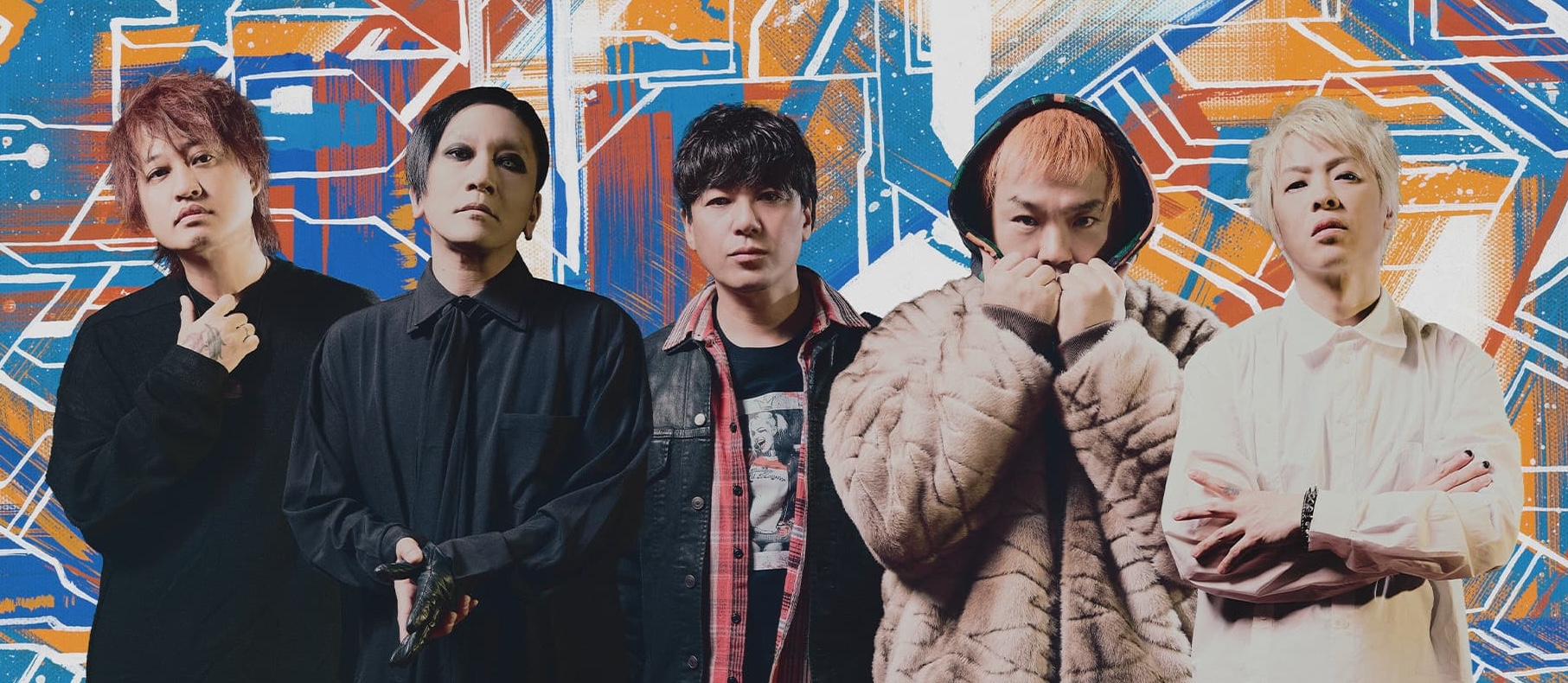
Kansai Loud: ROTTENGRAFFTY and the Power of Place
Away from the arena lights, Osaka’s live identity becomes louder, closer, and more immediate. On April 17, 2026, at Namba Hatch, ROTTENGRAFFTY deliver a performance as part of their ongoing “Final Series” tour, rooted in Kansai’s high-energy rock scene.
Formed in neighboring Kyoto, the band has spent over two decades building a following across the region — one that shows up not just for the music, but for the shared experience that comes with it.
This is the world of Osaka’s live houses — venues where proximity shapes the experience, and where audiences don’t stand apart from the music so much as inside it. This Namba Hatch show sits at the larger end of that spectrum, but the feeling holds: direct, immersive, and built on connection.
For local fans, nights like this function as a kind of homecoming — a familiar room, a familiar sound, and a crowd that already knows how it moves. For visitors or newly arrived residents, it’s an entry point into that world: a chance to experience firsthand what Kansai audiences have long understood about this band and this scene.
Read More →
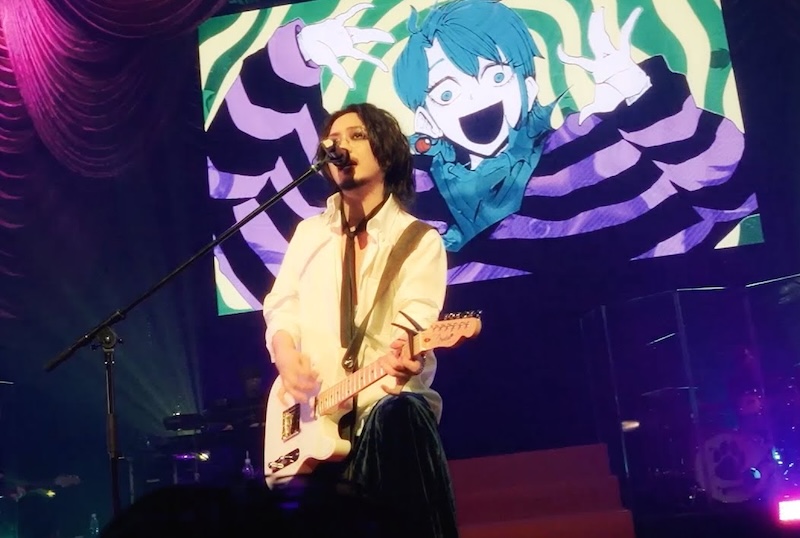
Streaming to Stage: TOOBOE and the New Generation
From legacy to the current scene, Osaka shifts again.
On April 12, TOOBOE brings their “ONE MAN TOUR 2026” to BIGCAT in Shinsaibashi, a standing-room show that places a current domestic act directly inside Osaka’s club circuit. With doors at 16:15 and the performance starting at 17:00, it sits in a completely different lane from the scale of Kyocera Dome or the legacy pull of April’s arena shows.
The setting matters. BIGCAT is large enough to feel like an event, but still close enough that the crowd remains part of the performance — not separate from it. That balance defines the experience: a full-room response without losing the immediacy that smaller venues create.
In a month that moves between generations, formats, and audiences, this is where things feel most current — not defined by history or scale, but by what’s happening right now, in real time, in the room.
Read More →
Engineered Sound and an Enduring Influence
Across decades, another thread emerges—one less about genre and more about structure, precision, and design.
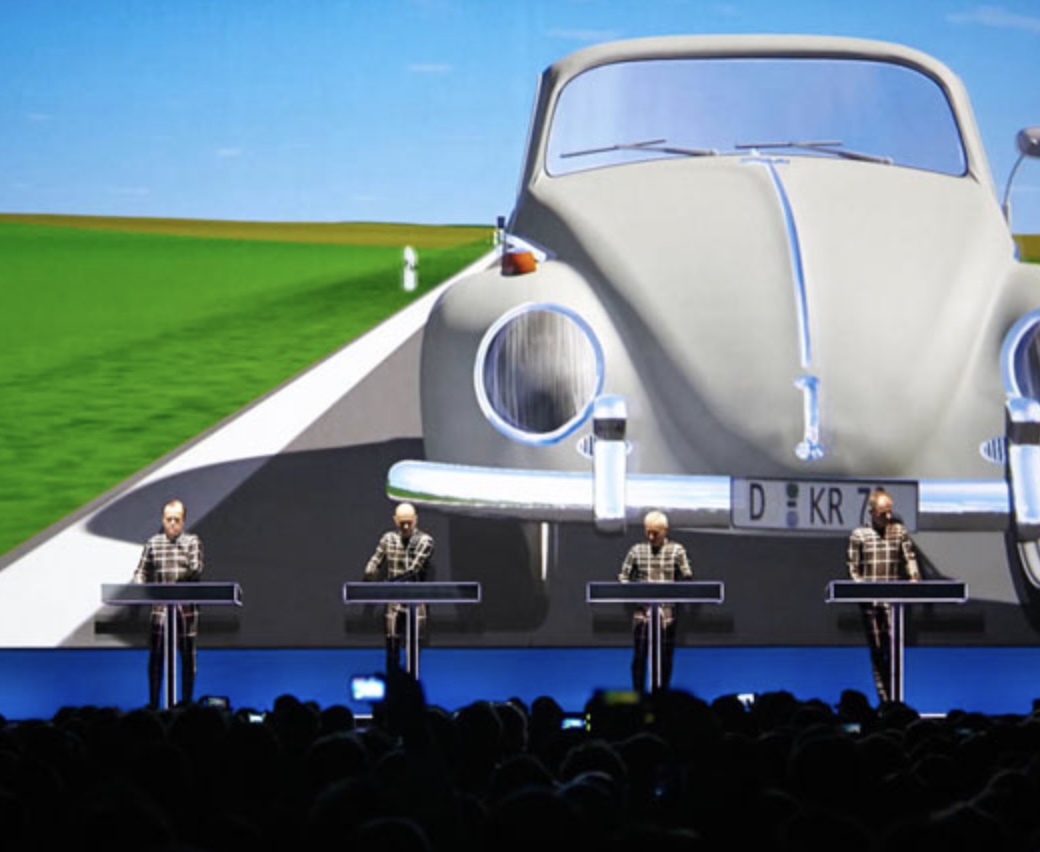
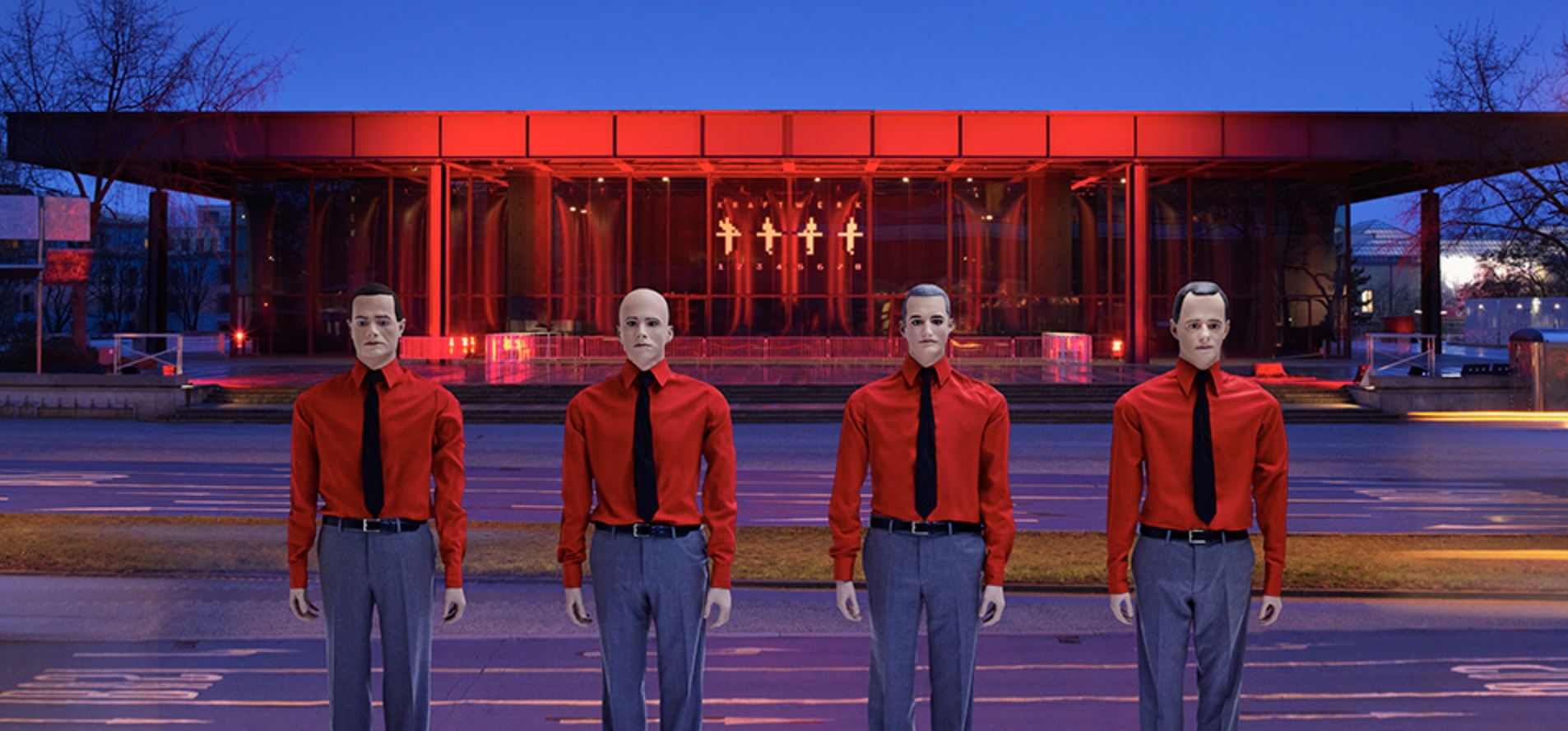
Kraftwerk’s influence on modern music is difficult to overstate. Formed in Düsseldorf in 1970, the group helped define the foundations of electronic music, with a sound built from synthesizers, sequencers, and machine-like rhythms at a time when rock instrumentation still dominated. Tracks like “Autobahn,” “Trans-Europe Express,” and “The Robots” didn’t just introduce new sounds — they established a new way of thinking about music itself: repetitive, system-driven, and intentionally minimal.
On April 28, 2026, at Grand Cube Osaka, that system arrives intact — a rare chance to experience one of electronic music’s foundational acts exactly as intended. The staging is stark and controlled — performers positioned behind illuminated consoles, often framed by large-scale LED visuals that move in perfect sync with the music. Movement is minimal, almost deliberately restrained, placing the focus on timing, texture, and alignment between sound and image. It’s less about individual expression and more about the collective system operating as one.
Over more than five decades, that approach has proven remarkably durable. Kraftwerk’s influence runs through techno, house, hip-hop, and modern pop, but their own performances remain distinct — not updated to follow trends, but consistent with the original concept. What you see on stage now is an extension of ideas first developed decades ago, still executed with the same precision.
April doesn’t resolve into a single sound—and that’s precisely the point.
From global legends to Kansai rock, from digital-native artists, Osaka offers a spectrum rather than a headline. Each performance occupies its own space, but together they form a city-wide soundtrack that reflects both where music has been and where it’s going.
For anyone in Osaka this month, the question isn’t what to see—it’s which version of the city’s sound you want to step into.
THE SCENE: FAQs
Kyocera Dome Osaka (IVE)
Address: 3-2-1 Chiyozaki, Nishi-ku, Osaka
Hanshin Namba Line → Dome-mae Station (Exit 2): approx. 3-minute walk
Osaka Metro Nagahori Tsurumi-ryokuchi Line → Dome-mae Chiyozaki Station (Exit 1): approx. 3-minute walk
JR Osaka Loop Line → Taisho Station: approx. 7-minute walk
Asue Arena Osaka (Deep Purple)
Address: 3-1 Osaka-jokoen, Chuo-ku, Osaka
JR Osaka Loop Line → Osakajokoen Station: approx. 5-minute walk
JR Tozai Line → Osaka-jokitazume Station: approx. 15-minute walk
Osaka Metro Nagahori Tsurumi-ryokuchi Line → Osaka Business Park Station (Exit 1): approx. 8-minute walk
Umeda circuit venues (Gigantic Town Meeting)
Main venues: Banana Hall / Umeda Zeela / Umeda BANGBOO
JR Kyoto Line / Kobe Line / Osaka Loop Line → Osaka Station (Central Gate): approx. 5–8-minute walk depending on venue
Osaka Metro Midosuji Line → Umeda Station: approx. 5–8-minute walk
The three venues are typically within a few minutes of each other on foot.
なんばHatch (ROTTENGRAFFTY)
Address: 1-3-1 Minatomachi, Naniwa-ku, Osaka
JR Yamatoji Line → JR Namba Station: approx. 3-minute walk
Osaka Metro Yotsubashi Line → Namba Station (Exit 26-B): approx. 5-minute walk
Osaka Metro Midosuji Line → Namba Station: approx. 8-minute walk
BIGCAT (TOOBOE)
Address: 1-6-14 Nishishinsaibashi, Chuo-ku, Osaka
Osaka Metro Midosuji Line → Shinsaibashi Station (Exit 7): approx. 5-minute walk
Osaka Metro Yotsubashi Line → Yotsubashi Station: approx. 5-minute walk
Grand Cube Osaka (Kraftwerk)
Address: 5-3-51 Nakanoshima, Kita-ku, Osaka
Keihan Nakanoshima Line → Nakanoshima Station (Exit 2): approx. 3-minute walk
JR Osaka Loop Line → Fukushima Station: approx. 15-minute walk
Osaka Metro Yotsubashi Line → Higobashi Station: approx. 15-minute walk
IVE – Kyocera Dome Osaka
Dates: April 18–19, 2026
April 18: 16:30 open / 18:30 start
April 19: 14:00 open / 16:00 start
Deep Purple – Asue Arena Osaka
Date: April 17, 2026
Time: Check ticket for final open/start details.
Gigantic Town Meeting – Umeda live circuit
Date: April 12, 2026
Wristband exchange: 10:30
Doors: 11:00
First performances: 11:30
ROTTENGRAFFTY – なんばHatch
Date: April 17, 2026
Open: 18:00
Start: 19:00
TOOBOE – BIGCAT
Date: April 12, 2026
Open: 16:15
Start: 17:00
Kraftwerk – Grand Cube Osaka
Date: April 28, 2026
Open: 18:00
Start: 19:00
IVE – Kyocera Dome Osaka
Price: ¥14,800
Format: All reserved seating
Notes: 4 years old and up require a ticket; children 3 and under are not admitted. Ticketing fees apply.
Deep Purple – Asue Arena Osaka
Price: S seats ¥23,000 / A seats ¥22,000
Format: Reserved seating
Notes: These prices were reported in your Deep Purple write-up from a Yahoo Japan article and marked there as awaiting official confirmation. If you use them in the feature FAQ, label them carefully or confirm again before publication.
Gigantic Town Meeting – Umeda live circuit
Advance: ¥5,500
Format: Multi-venue wristband
Notes: Separate drink fee required at each venue entry; re-entry between venues allowed; entry may pause if a venue reaches capacity.
ROTTENGRAFFTY – なんばHatch
Standing: ¥5,160 before tax / Reserved seat: ¥6,160 before tax / Family seat adult: ¥6,160 before tax / Family seat child: ¥3,160 before tax
Format: Standing, reserved seat, and family seat options depending on area
Notes: Elementary school age and up require a ticket. Preschool children may enter the reserved-seat area only under the stated family-seat rules.
TOOBOE – BIGCAT
Price: ¥5,800
Format: Standing
Notes: Separate drink charge required; numbered entry; ages 3 and up require a ticket. General sale began March 14, 2026 at 10:00.
Kraftwerk – Grand Cube Osaka
IVE
Expect very heavy crowd movement before and after the show. Dome-mae and Taisho area stations will be busy, especially immediately after the encore. Fan lightsticks and coordinated audience response are a core part of the experience.
Deep Purple
This is the legacy-rock end of the month’s lineup. If you’re writing for inbound readers, it helps to note the Osaka connection through the band’s long Japan history, but keep ticket details conservative unless re-confirmed.
Gigantic Town Meeting
This is a circuit event, so comfortable shoes matter. You’ll be moving between venues, and the whole point is discovery rather than camping in one room all day. Popular bands can fill rooms quickly.
ROTTENGRAFFTY
This is not a passive standing-room show. The crowd near the front will be more physical, and the band’s Kansai fanbase is part of the atmosphere. If you want more space, stay toward the back or sides.
TOOBOE
BIGCAT is a club-scale room, so the show will feel much closer and more immediate than the arena and dome dates in the feature. Drink fee and entry order matter more here than at reserved-seat venues.
Kraftwerk
This is the most precision-driven show in the lineup. If you include it in the FAQ, make sure the venue is listed as Grand Cube Osaka, not Osaka-jō Hall or Festival Hall.
VIDEO
Osaka Scene: GUIDES
Festival Guide