
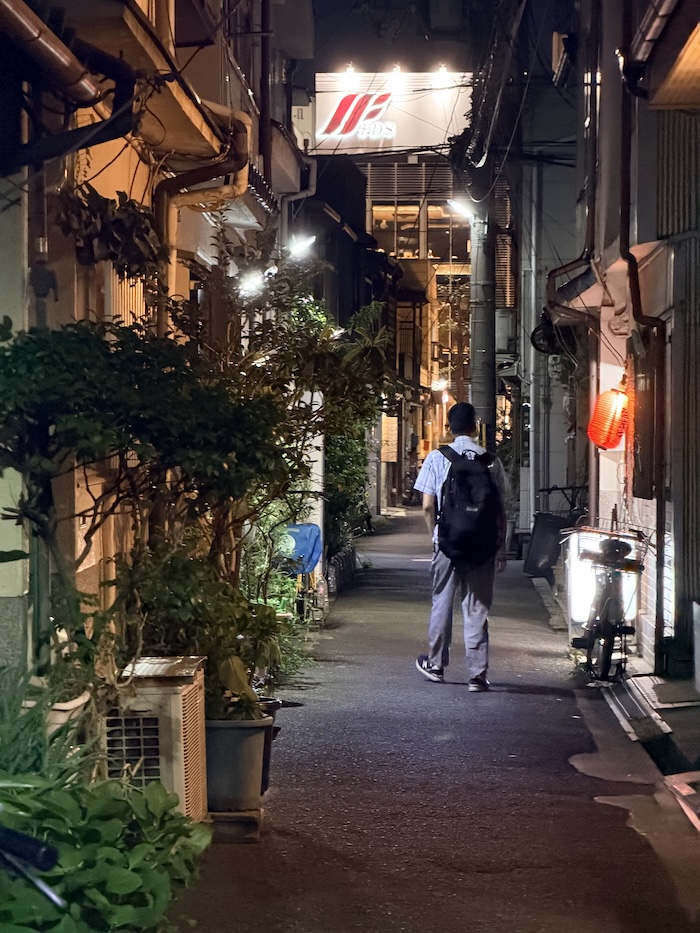
What makes Nakazaki-cho so striking is the contrast. Within minutes of leaving Osaka Station, you’ve stepped from glass-and-concrete into alleys that feel more like a village than a metropolis. The neighborhood survived wartime bombings and the waves of modernization that reshaped much of the city, leaving it with one of the most intact collections of pre-war homes in central Osaka. Walking here is less like sightseeing and more like being let in on a secret.
For many visitors, the first impression is the quiet. Instead of the roar of traffic and the rush of commuters, you hear bicycles rattling over stone paths, the soft chatter of friends at a streetside café, or the sizzle of takoyaki from a tiny stall. Even the pace of life feels different here, as though Nakazaki-cho has preserved not just its buildings but also an older rhythm of city living. It’s a reminder that Osaka is not only about energy—it’s about intimacy, too.
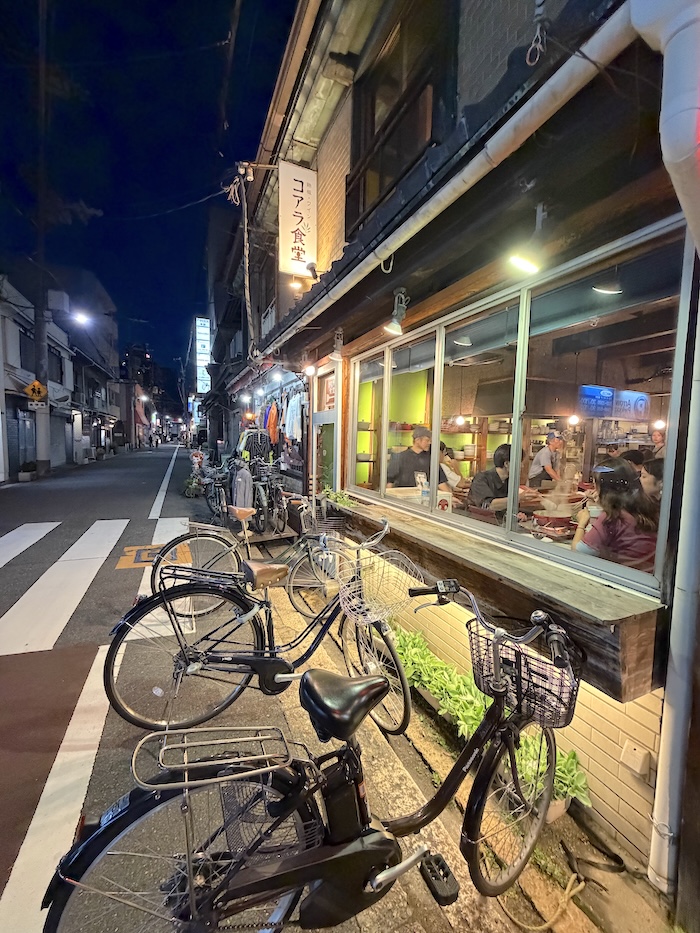
The story of Nakazaki-cho today is one of reinvention. Many of these townhouses were abandoned in the 1980s and 1990s, slated for demolition. Instead, they became blank canvases for young artists, designers, and dreamers who couldn’t afford rents in Umeda. The result is a district where every doorway feels like a surprise.
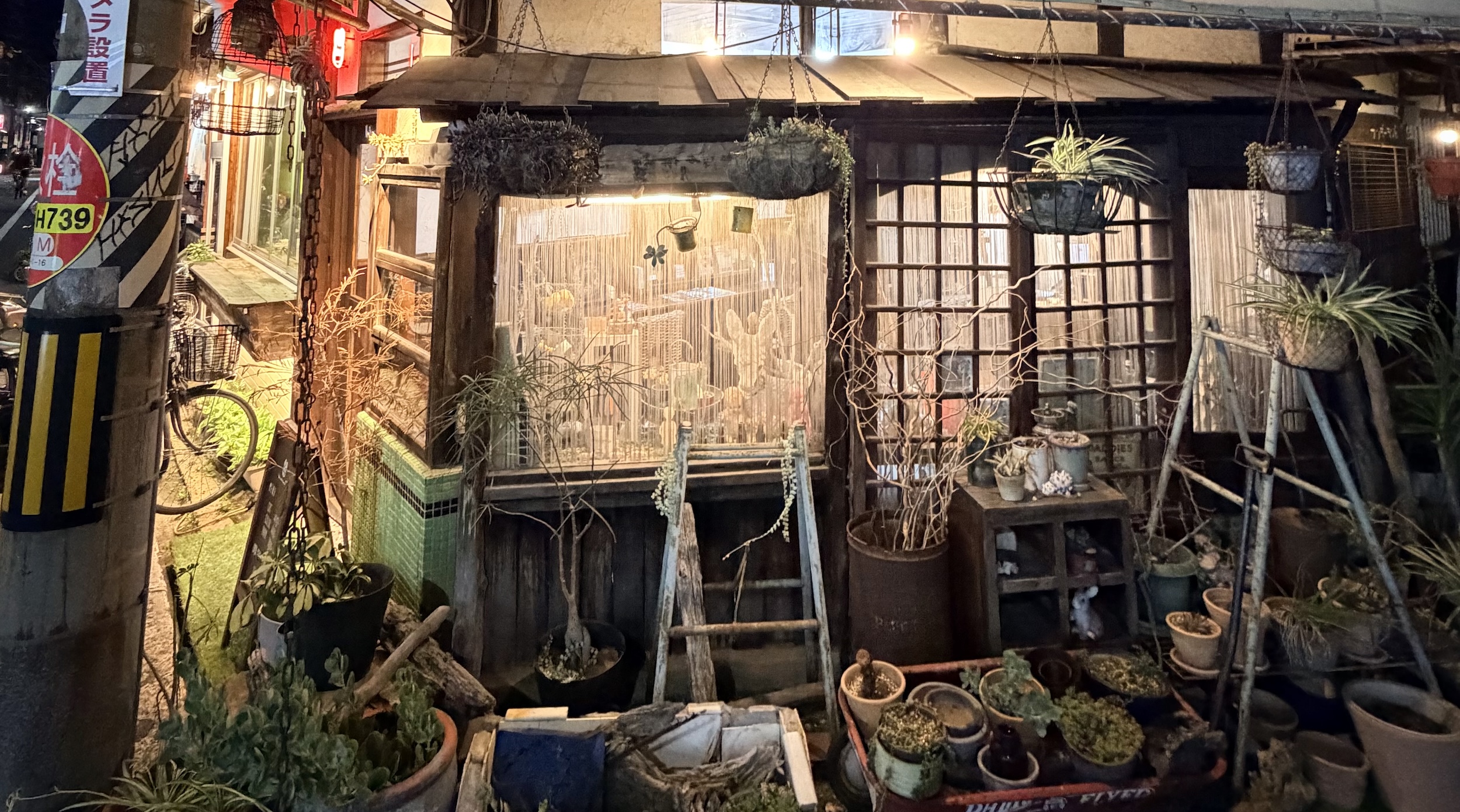
A tiny record store hides behind a noren curtain, selling both vinyl and hand-drawn zines. A ceramic studio opens into a courtyard filled with plants, where the owner—once an office worker—now crafts one-of-a-kind mugs. Even hair salons here feel like art installations, with interiors designed from salvaged wood and thrift-shop finds. There’s no single “main street”—instead, the fun lies in ducking down side alleys, following handwritten chalk signs, and stumbling upon something new.
One particularly beloved spot is a Bookshop & Café, where shelves of independent art books and design magazines spill across a tatami-lined room. A few doors down, a gallery might be hosting a student exhibition one week and an avant-garde photography show the next. These spaces embody the spirit of Nakazaki-cho: flexible, independent, and deeply personal. They’re less about commerce and more about community, often blurring the line between shop, studio, and hangout.
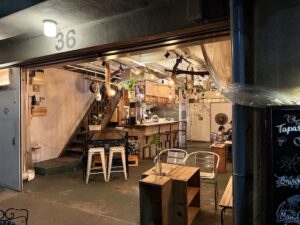
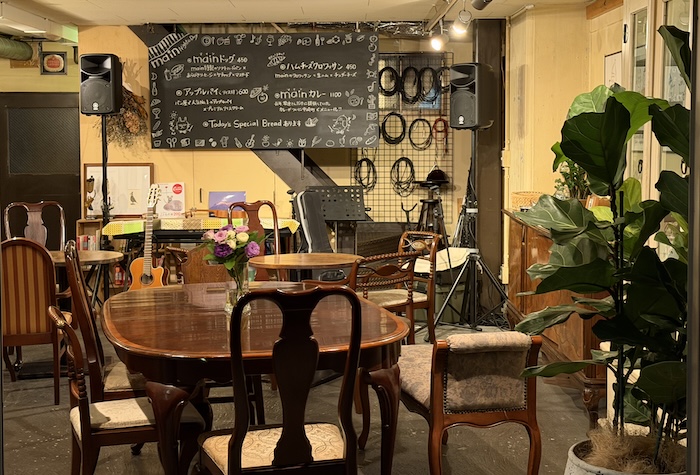
For many, Nakazaki-cho is synonymous with cafés. But these aren’t the flashy themed spots you might find elsewhere in Osaka—they’re personal, often family-run, with stories baked into the walls. One standout is Salon de AManTo, a converted house that doubles as a café, gallery, and community hub, where the mismatched furniture feels like it’s been collected from decades of flea markets. Upstairs, tatami mats invite you to linger with a book and a cup of tea.
Other favorites roast beans in-house and lets you compare different brewing methods side by side. Then there are sweet-tooth havens where fish-shaped cakes come stuffed with seasonal flavors alongside displays of vintage toys. Each café has its own character, and hopping between them is half the adventure. For travelers used to chain coffee shops, the intimacy here is refreshing—you’re treated less like a customer and more like a guest.
Perhaps the joy of Nakazaki-cho’s café scene is how it encourages exploration. Some of the most rewarding finds are tucked up narrow staircases or behind sliding wooden doors without a clear sign—like a dessert café serving seasonal parfaits made with local fruit, or a minimalist space where the barista can spend ten minutes explaining the nuances of a single bean. The journey to find these spots is part of the experience, turning each coffee break into a small adventure.

Nakazaki-cho isn’t just about what’s for sale—it’s about the atmosphere. Look closely and you’ll see colorful murals splashed across walls, cartoon-like characters peeking from doorways, and poetic graffiti scrawled on shutters. At the same time, tiny Inari shrines still sit quietly in alley corners, with fox statues watching over potted plants and bicycles. The layering of past and present is what makes the area feel alive.
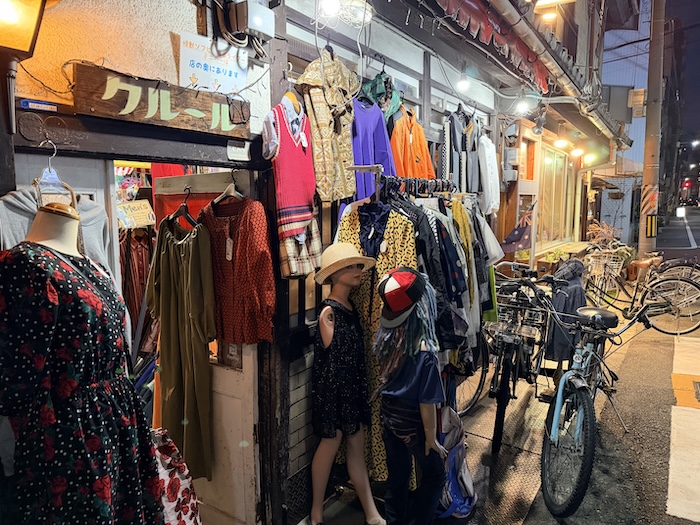
One of the neighborhood’s quirks is its antique shops. Step into Shitennoji Secondhand Market’s satellite store here and you might find Showa-era enamel kitchenware, retro toys, or a stack of 1970s fashion magazines. These stores double as time capsules, reminding you that Nakazaki-cho is not a theme park—it’s a living, breathing piece of Osaka’s history.
As you wander deeper, you’ll find alleys that seem frozen in time, where ivy climbs over wooden beams and faded advertising signs remain nailed to walls from decades past. In the evenings, lanterns outside small izakaya bars flicker to life, casting a glow that makes the district feel like a film set. It’s here that you truly sense how Nakazaki-cho balances memory and reinvention, preserving its soul even as it adapts to the present.
Perhaps the most lasting impression of Nakazaki-cho is its warmth. This isn’t a place designed for mass tourism—it’s a neighborhood where you can actually chat with the people running it. Shopkeepers often handwrite notes to customers, or post signs with doodles explaining the day’s specials. Some cafés will remember your face after a single visit. On weekends, locals spill into the lanes for flea markets or pop-up craft fairs, where the line between vendor and visitor blurs into community.
One of the most charming rituals is simply sitting on a café step with a coffee and watching life go by: children walking home from school, shopkeepers sweeping their storefronts, cats weaving between bicycles. It’s everyday Osaka, but presented with a warmth that feels rare in a major city. And that, more than anything, is what keeps people returning—Nakazaki-cho makes you feel like you belong, even if just for an afternoon.