February in Osaka: Winter in Full Swing
The City in Transition Between Seasons
February in Osaka doesn’t shout for attention. Instead, it rewards those who lean in. As winter begins to loosen its grip, the city settles into a quieter, more deliberate rhythm—one shaped by seasonal rituals, focused exhibitions, live music moments, and the early signals of spring returning.
Rituals That Shape the City
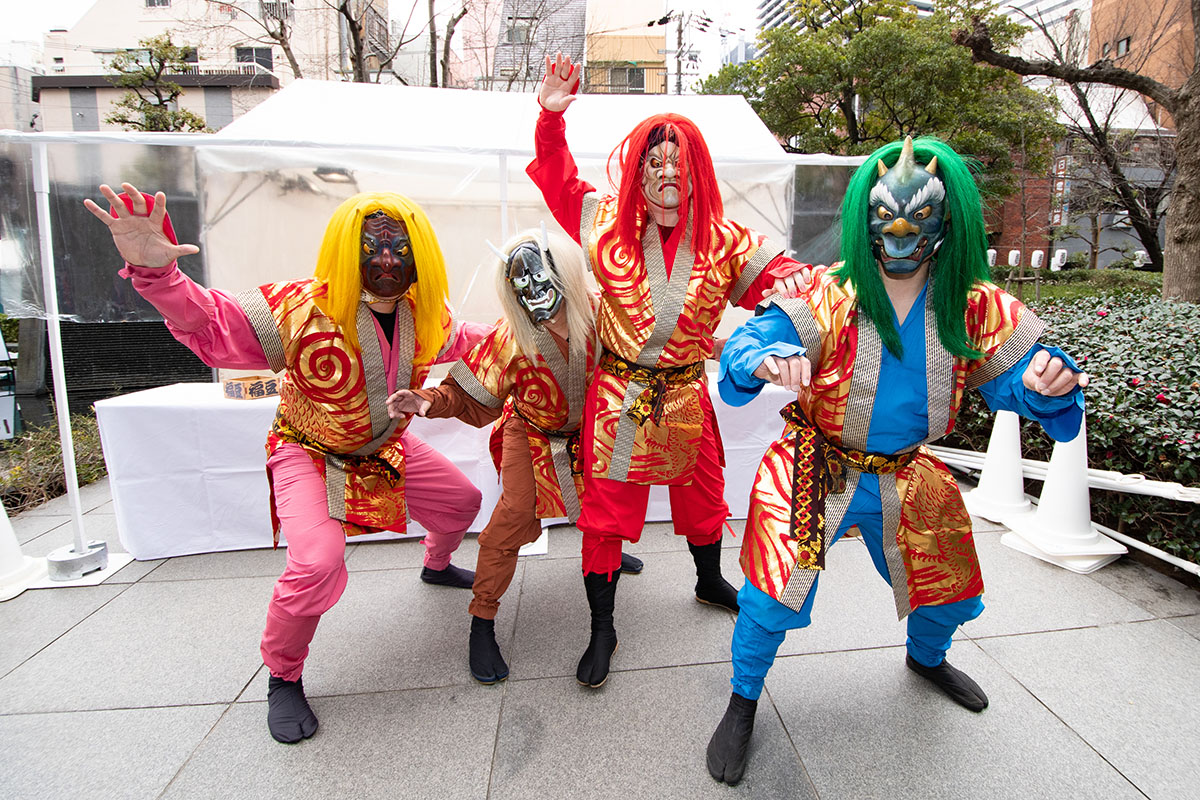
February in Osaka begins with Setsubun, the traditional observance focused on driving out misfortune and welcoming good fortune as the seasons change. Shouts of “Oni wa soto, fuku wa uchi” ring out across the city, as observances take place at temples and shrines both big and small, each reflecting local customs and religious traditions.
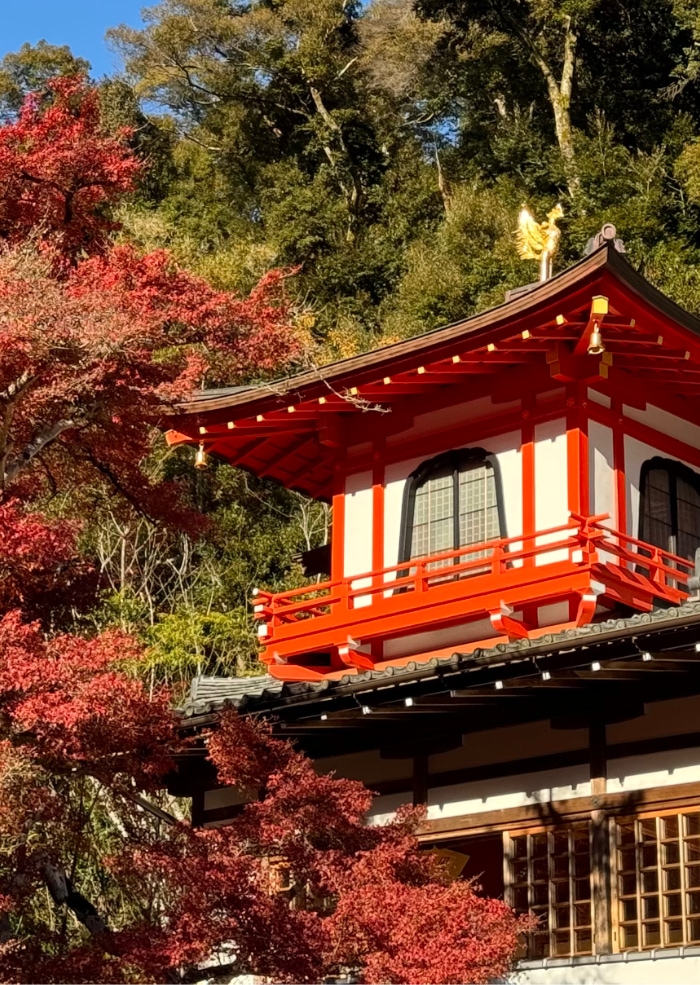
At Dōjima Yakushidō, the Setsubun Omizukumi ceremony offers a quieter, more contemplative alternative to large-scale bean-throwing events. Rooted in Buddhist practice, the ritual centers on purification and renewal rather than spectacle, drawing locals who value continuity, symbolism, and calm over crowds.
At Sumiyoshi Taisha, Setsubun takes on a distinctly Shinto character. Rather than theatrical mamemaki, the shrine’s observances emphasize prayer, procession, and carefully timed rituals tied closely to the shrine calendar, offering a deeper look at one of Osaka’s most enduring spiritual traditions.
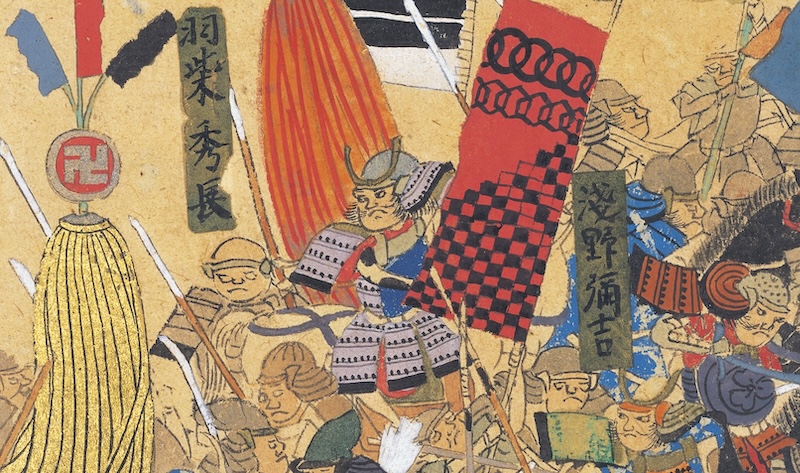
Layers Beneath the Stone
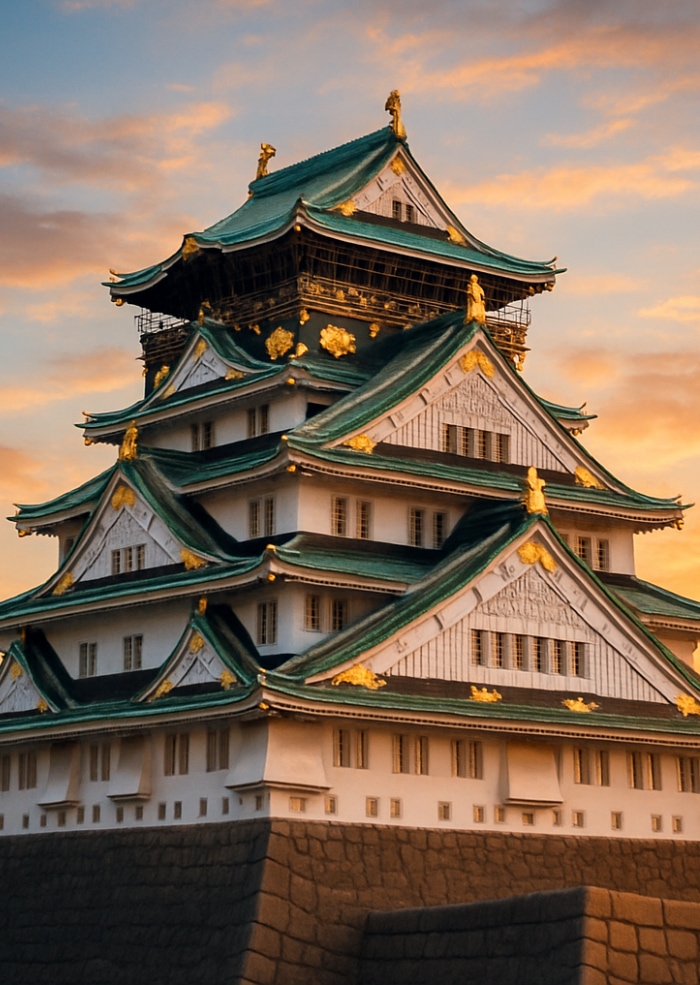
A visit to Osaka Castle’s Main Tower is usually about sweeping views and broad historical context, but through late March, the experience becomes more focused and immersive thanks to two limited-time special exhibitions on the 3rd and 4th floors.
Rather than general overviews, these concurrent exhibitions spotlight specific moments and figures from Osaka’s feudal past. One traces Toyotomi Hideyoshi’s rise from Osaka to national power, while the other examines the castle’s shifting role during periods of war and peace. Together, they add depth and specificity to a landmark many visitors think they already know, rewarding repeat visits and slower exploration.
Art, Design, and Immersive Exhibitions
February is an especially strong month for indoor culture in Osaka, when galleries, exhibition halls, and pop-up installations take center stage. Cooler weather and shorter days make this a natural moment to slow down and spend time inside, and the city’s winter programming leans into that rhythm.
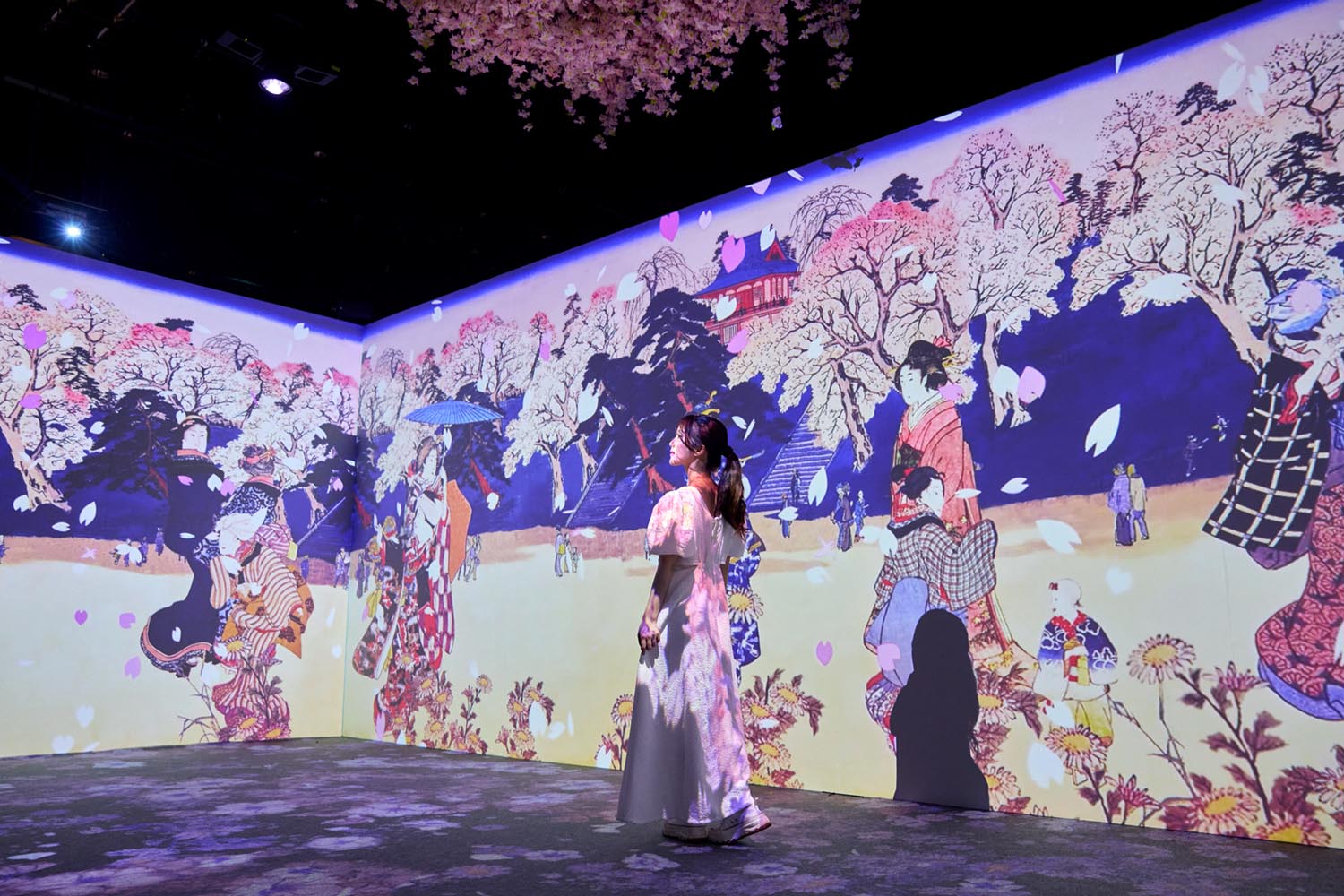
The Ukiyo-e Immersive Art Exhibition Osaka reimagines Edo-period woodblock prints as room-scale environments. Iconic works by artists such as Hokusai and Hiroshige are translated into moving projections layered with sound and light, creating a walk-through experience that encourages lingering rather than rushing.
At the other end of the cultural spectrum, OSAKA AUTO MESSE fills Intex Osaka with custom cars, concept builds, and motorsports styling. Even for visitors who aren’t deeply into automotive culture, the event functions as a design showcase—highlighting craftsmanship, personalization, and the visual language of Japan’s car scene.
Text

February Sounds Echo Before Spring
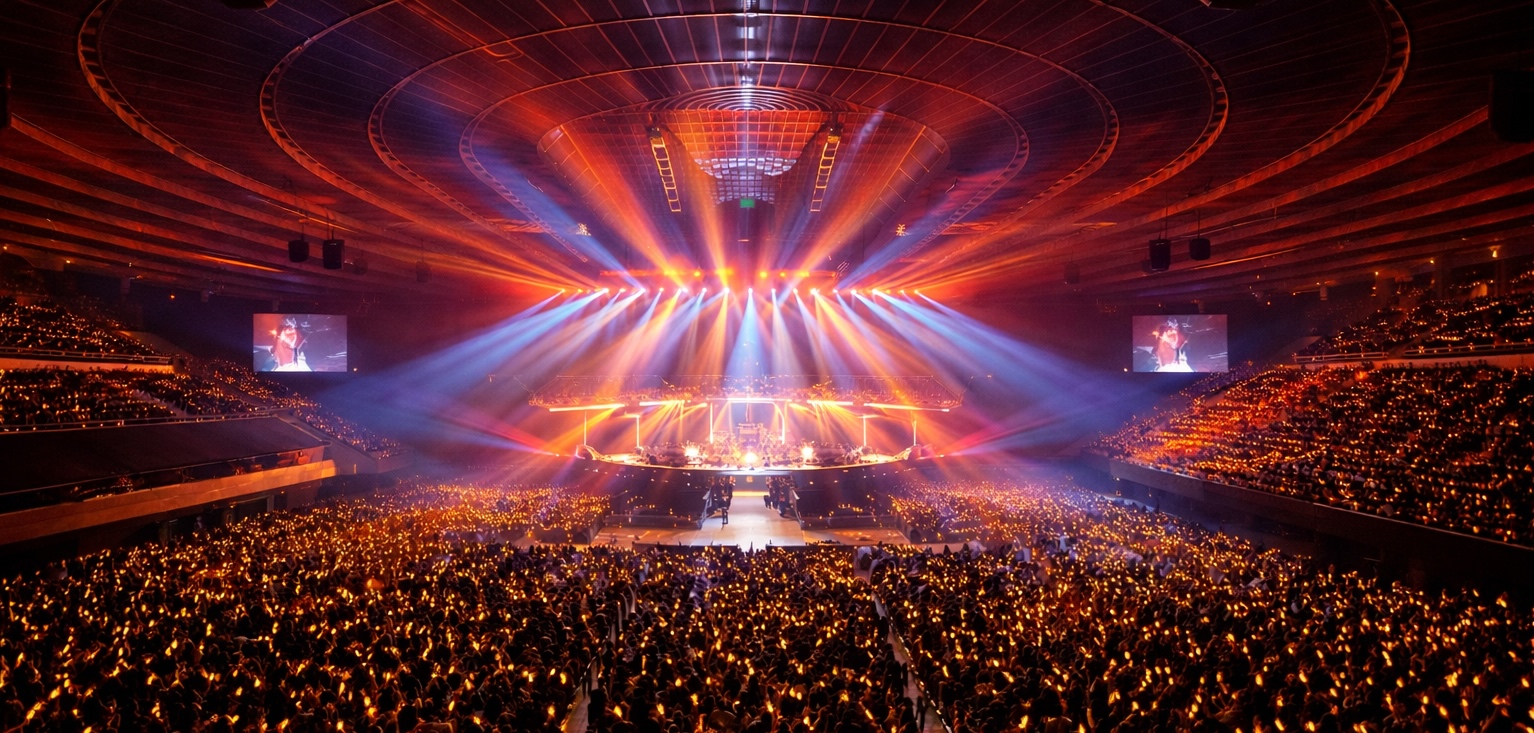
February’s music calendar in Osaka favors one-night, concept-driven events, moments that feel deliberately temporary rather than part of a long tour cycle. The centerpiece is FM OSAKA’s RADIO WONDERLAND, held on February 13 at Osaka-jō Hall, a special anniversary event that brings the station’s on-air identity onto a full arena stage.
Rather than a standard concert format, RADIO WONDERLAND blends live performances with on-stage hosting and talk segments, echoing the rhythm of a radio broadcast. The lineup—BUDDiiS, JOY, and CLASS SEVEN—bridges established popularity and emerging momentum, offering a snapshot of Kansai’s contemporary pop landscape scaled up for a single night.
Away from the arena, February is also a strong month for intimate live-house shows. Artists such as TOMOO and chilldspot draw deeply engaged audiences in smaller venues, creating the kind of close-range performances that reward curiosity and flexibility, and offer visitors a chance to experience Osaka’s music scene alongside locals rather than tourists.
Outdoor Sports Return to the Calendar
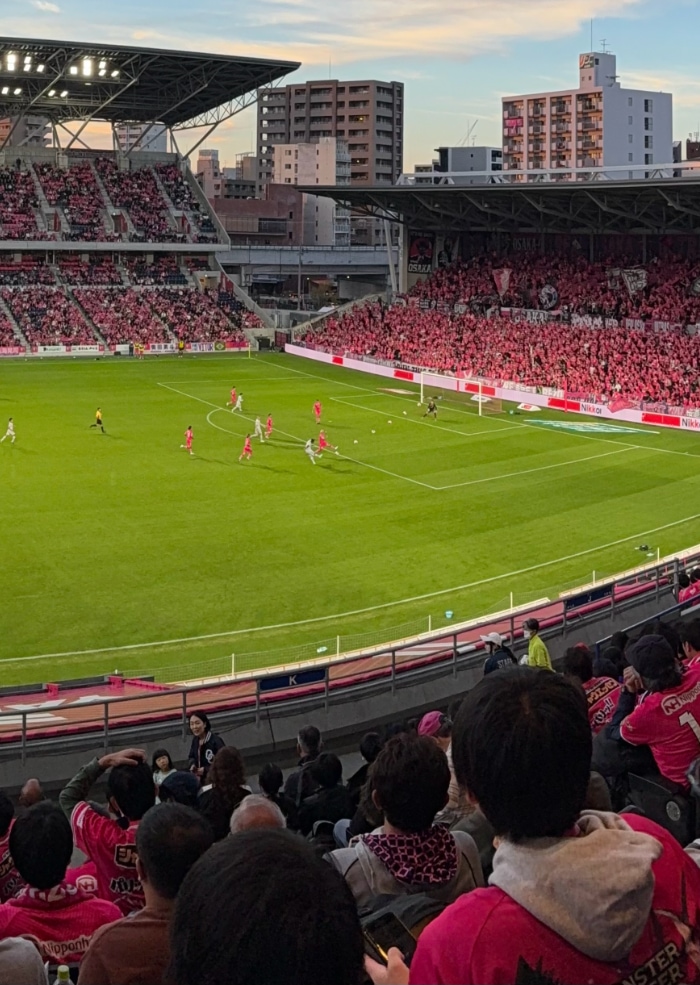
February quietly signals the return of sports energy in Osaka. While major league seasons are still ramping up, the city begins to shift back into motion, with runners, teams, and fans re-emerging after winter’s slowdown.
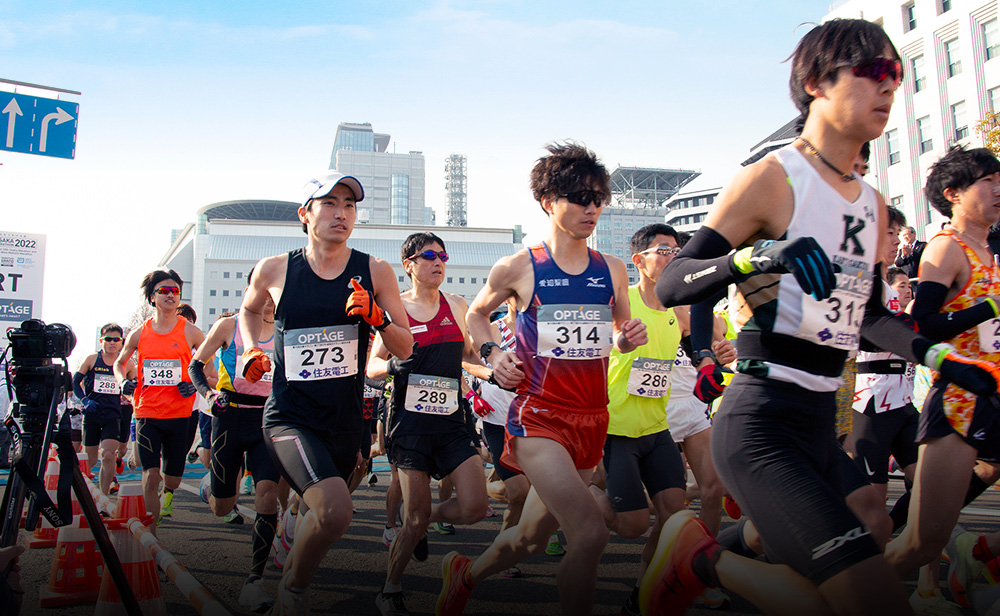
Running takes center stage with the Osaka Marathon and the Osaka International Women’s Marathon, events that draw elite athletes, television coverage, and citywide attention. Even for those not racing, the surrounding atmosphere matters: road closures reshape neighborhoods, spectators line key stretches, and the accompanying Marathon EXPO offers a more casual entry point with gear, food, and community energy.
Baseball also begins to creep back into daily conversation. Preseason activity and early training reminders hint at what’s coming, marking February as the moment when Osaka starts to look ahead to spring nights at the ballpark.
Winter Light After Dark
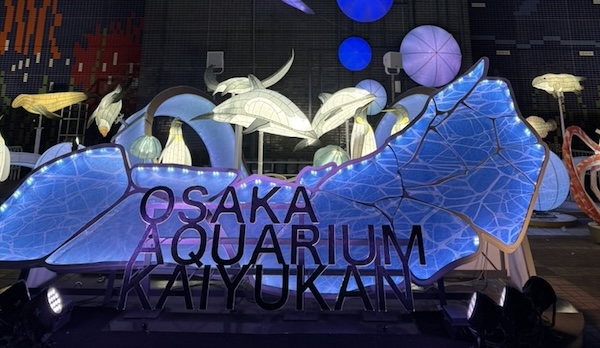
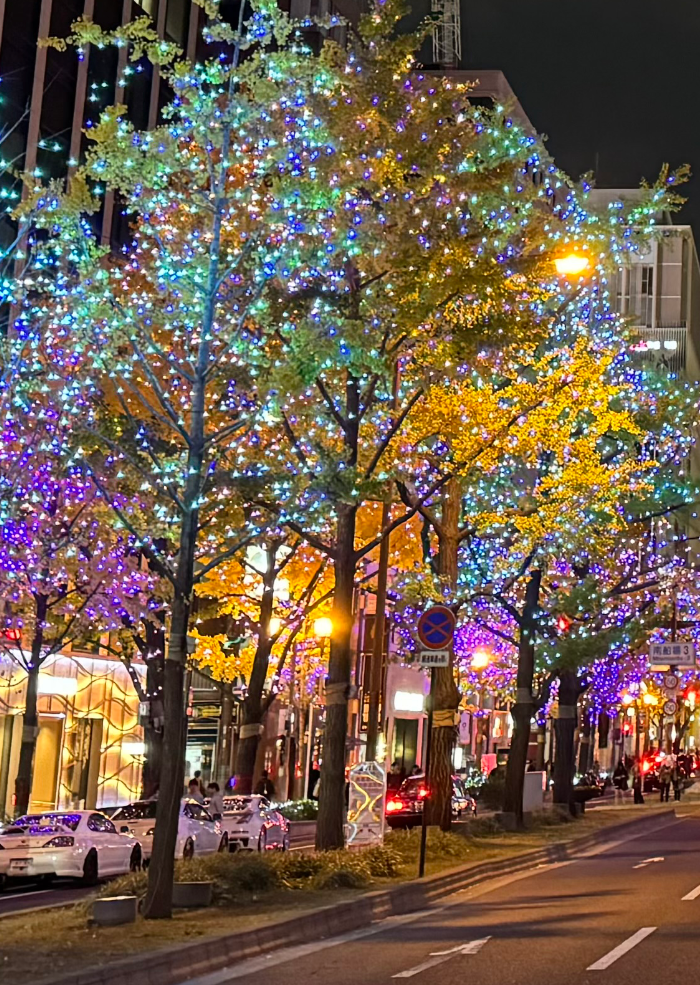
February evenings in Osaka still belong to light. With nights arriving early and crowds thinner than peak winter, the city’s seasonal illuminations feel calmer, more atmospheric, and easier to fold into an evening out rather than a destination in themselves.
At Kaiyukan, Sea at Night – NAMIMA layers synchronized light and sound displays over a standard aquarium visit, encouraging visitors to linger along the Tempozan waterfront after sunset. Rather than a standalone event, it works as a natural extension of an afternoon visit—rewarding those who stay just a little longer.
At HARUKAS 300, winter illumination programming adds a seasonal accent to Osaka’s skyline views. Shorter daylight hours and clearer winter air make February an especially appealing time to visit the observatory in the evening, when city lights stretch across the plains below.
February also marks the final chance to see Osaka River Fantasy, the city’s large-scale riverside illumination program, which wraps up on February 28. As Osaka waits for food and drink festivals to return in the spring, these light-based events provide a gentle, visually rich send-off to winter.
As the city looks ahead to spring festivals, outdoor food events, and warmer nights, February offers a brief pause. It’s a chance to experience Osaka with fewer crowds, sharper seasonal contrast, and events that feel specific to this moment rather than designed for peak tourism. For visitors and residents alike, it’s a month that rewards slowing down and paying attention before the city shifts gears again.
THE SCENE: FAQs
Dōjima Yakushidō (Setsubun Omizukumi)
Address: Dōjima Yakushidō, 2-5-26 Dōjima, Kita-ku, Osaka
Train Line → Station: Yotsubashi Line → Nishi-Umeda Station
Walk: Approx. 10 minutes
Notes: Located in a quiet office district near Kitashinchi; easy to combine with Umeda or Nakanoshima.
Sumiyoshi Taisha (Setsubun Observances)
Address: 2-9-89 Sumiyoshi, Sumiyoshi-ku, Osaka
Train Line → Station: Nankai Main Line → Sumiyoshi Taisha Station
Walk: Immediate (shrine entrance adjacent to station)
Notes: Also accessible via Hankai tram lines; one of Osaka’s most straightforward shrine visits.
Osaka Castle Main Tower – Special Exhibitions (3F & 4F)
Address: 1-1 Osakajō, Chūō-ku, Osaka
Train Line → Station: JR Osaka Loop Line → Ōsakajō-kōen Station
Walk: Approx. 15–20 minutes through the park
Alternate Access: Osaka Metro Chūō Line → Morinomiya Station (approx. 20 minutes on foot)
Notes: Large park grounds—allow extra time and wear comfortable shoes.
Ukiyo-e Immersive Art Exhibition Osaka
Address: Venue-specific (see individual event listing)
Train Line → Station: Varies by exhibition venue
Walk: Typically 5–10 minutes from nearest station
Notes: Check the individual Osaka Scene event entry for exact venue and access details.
OSAKA AUTO MESSE
Address: INTEX Osaka, 1-5-102 Nankōkita, Suminoe-ku, Osaka
Train Line → Station: Nankō Port Town Line (New Tram) → Trade Center-mae Station
Walk: Immediate (connected to venue)
Notes: Large-scale venue; expect crowds during peak hours.
FM OSAKA RADIO WONDERLAND
Address: Osaka-jō Hall, 3-1 Osakajō, Chūō-ku, Osaka
Train Line → Station: JR Osaka Loop Line → Ōsakajō-kōen Station
Walk: Approx. 5 minutes
Notes: Event nights can be busy; arrive early.
Live House Performances (TOMOO, chilldspot, etc.)
Address: Venue-specific (Umeda, Shinsaibashi, or Namba areas)
Train Line → Station: Varies by venue
Walk: Typically 3–10 minutes
Notes: Check individual listings for exact access and door times.
Marathons & Marathon EXPO
Address: Course and expo venues vary by event
Train Line → Station: Multiple stations affected
Notes: Road closures are common; public transit is recommended. Expo venues are usually clearly signed and well served by transit.
Kaiyukan – Sea at Night “NAMIMA”
Address: Osaka Aquarium Kaiyukan, 1-1-10 Kaigandōri, Minato-ku, Osaka
Train Line → Station: Chūō Line → Osakakō Station
Walk: Approx. 5 minutes
Notes: Waterfront area; evening visits are especially atmospheric.
HARUKAS 300 (Night Illumination)
Address: Abeno Harukas, 1-1-43 Abenosuji, Abeno-ku, Osaka
Train Line → Station: JR / Osaka Metro → Tennoji Station
Walk: Immediate (direct access from station)
Notes: One of the easiest major attractions to access in Osaka.
Osaka River Fantasy
Address: Multiple riverside locations (Nakanoshima and surrounding areas)
Train Line → Station: Yotsubashi / Midosuji / Keihan Lines → Yodoyabashi, Nakanoshima, or nearby stations
Walk: 5–10 minutes, depending on viewing area
Notes: Best combined with evening dining or walks.
Setsubun observances take place citywide in early February, with most ceremonies held on or around February 2–3. Timing varies by temple or shrine, and events often run in short ceremonial windows rather than continuous programs. Visitors should aim to arrive early in the day for daytime rituals or check individual shrine schedules if planning to attend evening observances.
At Dōjima Yakushidō, the Setsubun Omizukumi ceremony is held during the daytime and follows a structured Buddhist ritual schedule rather than a festival-style timetable. The atmosphere is calm and reflective, and the ceremony itself is relatively brief, making it easy to incorporate into a broader Umeda or Nakanoshima itinerary.
At Sumiyoshi Taisha, Setsubun unfolds throughout the day with multiple rituals tied to the shrine’s calendar. Rather than a single headline moment, the observances are spread out, rewarding visitors who arrive earlier and take time to explore the grounds between ceremonies.
The Osaka Castle Main Tower special exhibitions follow the castle’s regular opening hours, typically from morning through late afternoon, with last entry in the early evening. The exhibitions on the 3rd and 4th floors are designed to be experienced at a slower pace than the permanent displays, so allowing extra time beyond a standard castle visit is recommended.
The Ukiyo-e Immersive Art Exhibition Osaka operates on fixed entry hours depending on the day, often with timed entry slots during busier periods. Evening sessions are common and tend to be popular, so advance planning is advisable if visiting after work hours.
OSAKA AUTO MESSE runs over several consecutive days in mid-February, generally opening in the morning and closing in the early evening. Peak crowd levels are typically midday, while early mornings and later afternoon hours offer a more comfortable viewing experience.
FM OSAKA’s RADIO WONDERLAND is a single-day event held on February 13, with doors opening ahead of a fixed start time. As a one-night-only performance, the schedule is tight, and attendees should plan to arrive early to allow for entry and seating.
Live house performances by artists such as TOMOO and chilldspot typically take place in the evening, with door times and start times varying by venue. These shows often begin later than arena concerts and may include opening acts, making it worth checking schedules in advance.
Marathon events, including the Osaka Marathon and Osaka International Women’s Marathon, are held on weekend mornings, with road closures beginning early in the day. The accompanying Marathon EXPO usually opens several days beforehand and operates during daytime hours, allowing visitors to attend without committing to race day itself.
Kaiyukan’s Sea at Night – NAMIMA runs during evening aquarium hours, with light and sound programs repeating at regular intervals after sunset. Visitors can enter during the day and stay into the evening, or plan a dedicated night visit.
At HARUKAS 300, night illumination programming aligns with observatory opening hours, making early evening one of the most popular times to visit. February’s earlier sunsets mean the city views shift quickly from daylight to night, offering a full visual transition in a single visit.
Osaka River Fantasy operates nightly through February 28, with illumination displays best experienced after dark. Viewing is flexible, allowing visitors to arrive at any point during the evening rather than at a fixed start time.
Setsubun observances, including ceremonies at Dōjima Yakushidō and Sumiyoshi Taisha, are free to attend. No tickets are required, though small offerings are customary.
Admission to the Osaka Castle Main Tower special exhibitions on the 3rd and 4th floors is included with standard castle entry. Tickets typically range from ¥600, with free admission for junior high school students and younger. Tickets can be purchased on-site or via the official Osaka Castle website.
The Ukiyo-e Immersive Art Exhibition Osaka is a ticketed exhibition, with prices generally ranging from ¥2,000–¥2,700 depending on date and time. Advance tickets and timed entry slots are sold through the exhibition’s official website and major platforms such as e-plus and Lawson Ticket.
OSAKA AUTO MESSE requires paid admission, with tickets typically priced around ¥3,000–¥3,500. Advance and same-day tickets are available through the official Auto Messe website and major ticketing platforms.
Tickets for FM OSAKA’s RADIO WONDERLAND at Osaka-jō Hall are sold in advance via e-plus, with prices typically ranging from ¥7,000–¥9,000 depending on seating. As a one-night-only anniversary event, advance purchase is essential.
Live house performances by artists such as TOMOO and chilldspot usually cost ¥4,000–¥6,000. Tickets are sold via platforms such as e-plus, Lawson Ticket, and Pia, and most venues require an additional drink fee of around ¥600 paid at the door.
Spectating at the Osaka Marathon and Osaka International Women’s Marathon is free. The associated Marathon EXPO is generally open to the public without charge, with schedules and details posted on each event’s official website.
Admission to Kaiyukan’s Sea at Night – NAMIMA is included with standard aquarium tickets, which typically range from ¥2,400–¥2,700. Tickets can be purchased via the Kaiyukan official website or on-site.
Entry to HARUKAS 300 night illumination is included with regular observatory admission, generally priced around ¥1,800–¥2,000. Tickets are sold through the HARUKAS 300 official website and at ticket counters.
Osaka River Fantasy includes ticketed night cruises rather than free viewing only. Cruise experiences typically range from ¥2,000–¥4,000, depending on route and duration, with tickets sold via the official Osaka River Fantasy website and partner booking platforms.
February in Osaka rewards slower pacing. Many highlights are limited-time or one-night-only, so it’s best to choose a few anchor events rather than trying to cover everything. Evenings are especially strong this month, with illuminations and concerts fitting naturally after daytime sightseeing.
Weather is cool and often clear, with colder nights. Layered clothing is recommended, particularly for evening events near the water or open observatory decks. Comfortable walking shoes matter for places like Osaka Castle Park and marathon viewing areas, where distances are longer than they appear on maps.
Crowds are generally lighter than in peak spring seasons, but they can spike around major concerts, exhibitions, and marathon weekends. Booking tickets in advance for concerts, immersive exhibitions, and observatories helps avoid last-minute stress, while cultural observances like Setsubun are best experienced by arriving earlier in the day.
February is a strong month for combining indoor and outdoor plans. Museums, exhibitions, and live music balance well with short walks, riverside illuminations, and seasonal rituals, making it easy to adjust plans if the weather turns cold or windy.

Photos: Official Websites, Osaka Scene Staff
You may also be interested in:

Also read:
Also read:
Osaka Scene: GUIDES
Festival Guide