
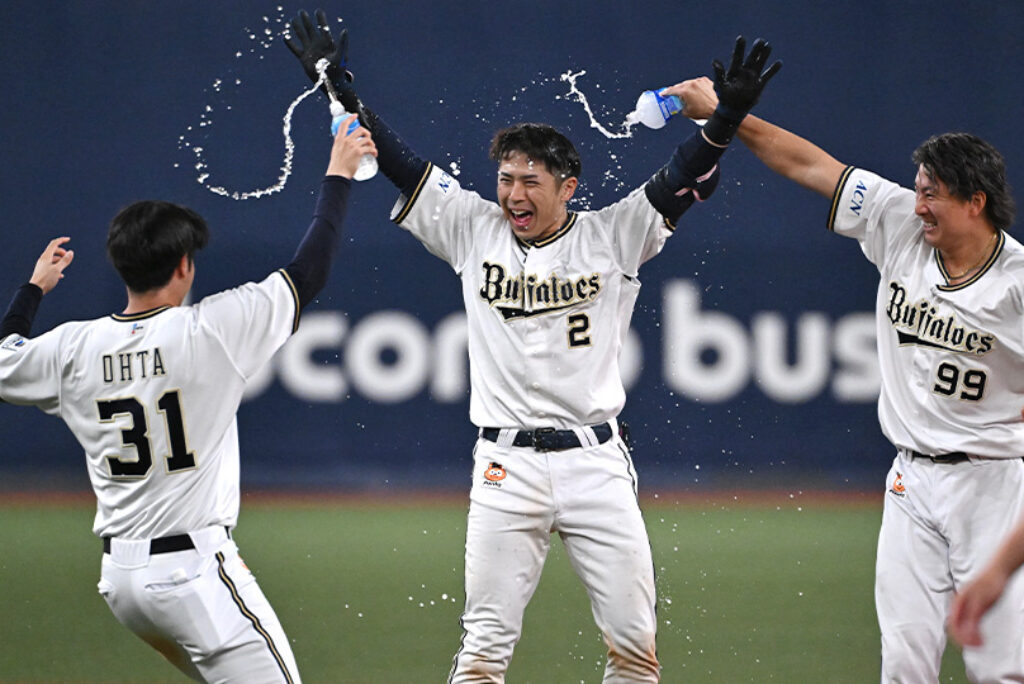

In Kansai, baseball is not watched — it is lived. As the Tigers defend a division crown and the Buffaloes reload for another run, March brings WBC spotlight, hometown rivalries, and the unmistakable roar of spring beneath dome lights and open skies.
In Kansai, baseball is not watched — it is lived. As the Tigers defend a division crown and the Buffaloes reload for another run, March brings WBC spotlight, hometown rivalries, and the unmistakable roar of spring beneath dome lights and open skies.
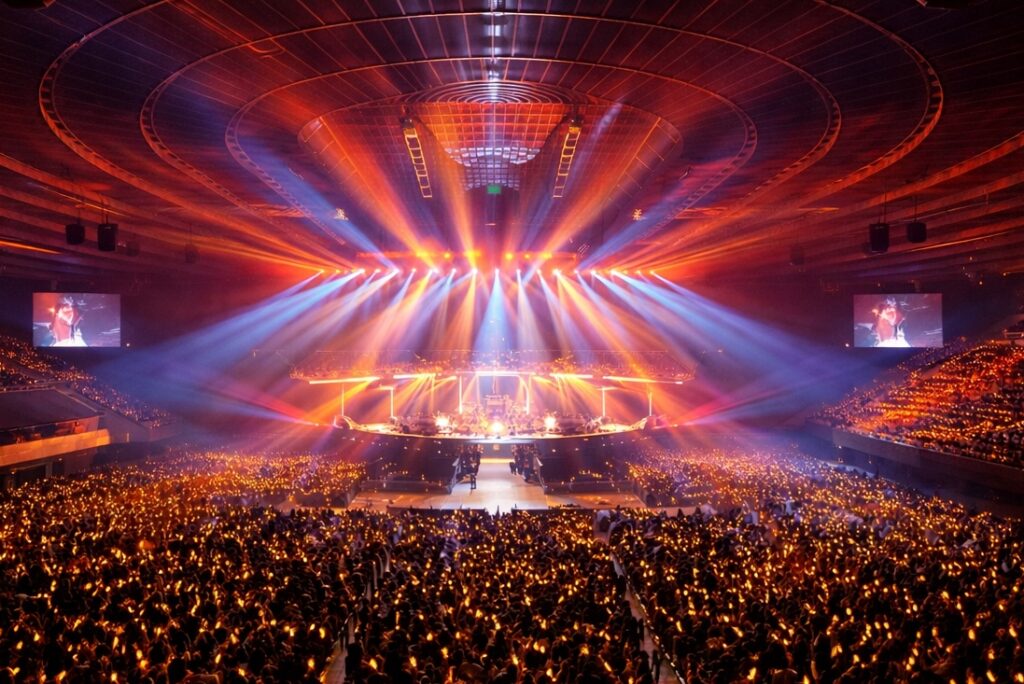
From idol heavyweights to genre-blurring chart dominators, March 2026 delivers one of the most concentrated runs of national headliners Osaka has seen in years. Osaka-Jo Hall lights up night after night, Kyocera Dome prepares for stadium-scale spectacle, and the city shifts from winter stillness to full-volume momentum in just three weeks.
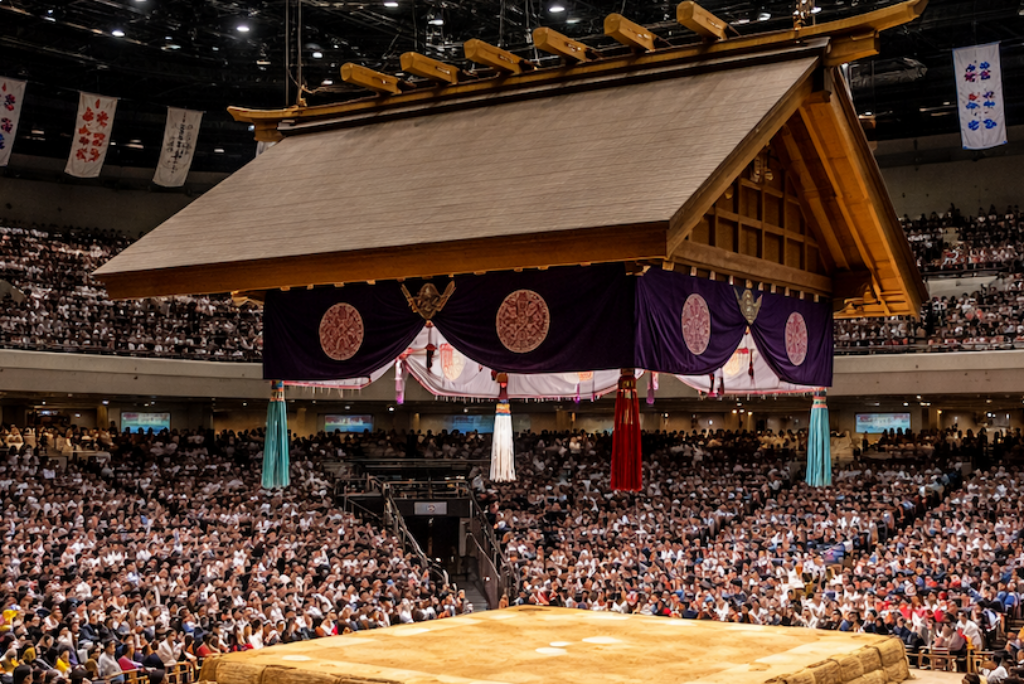
Every March, as winter thins and the first hints of plum blossoms appear across Osaka, another seasonal marker arrives — heavier, louder, and far older than the pink drift of sakura. It's thunder in the Spring.
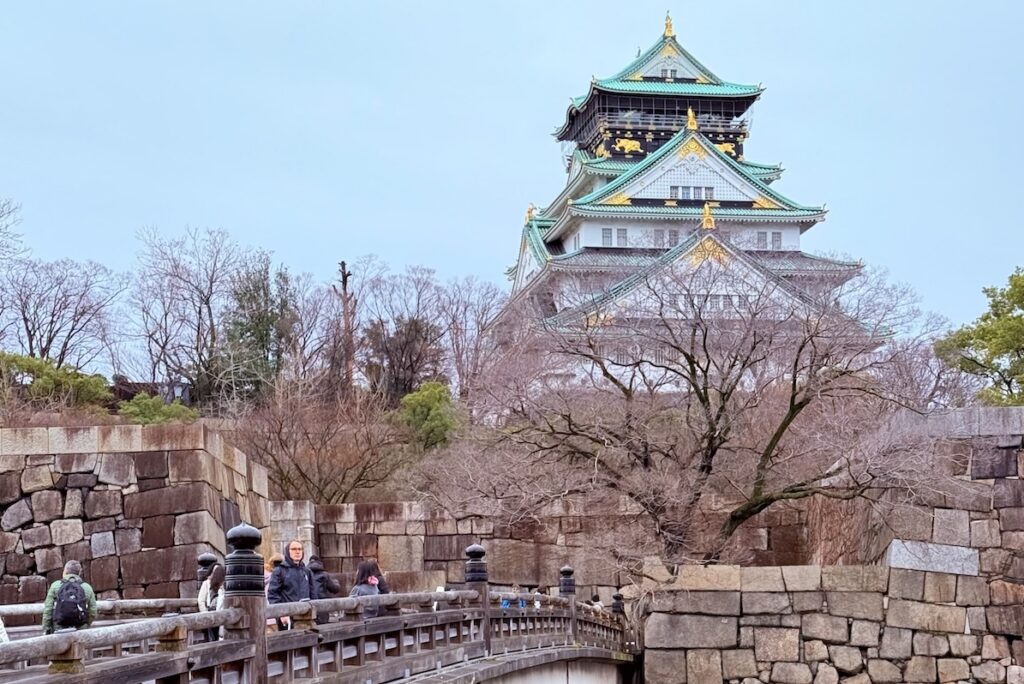
Before cherry blossoms sweep across the city, Osaka eases into spring with delicate plum blossoms. From the castle’s historic moat to quiet neighborhood parks, ume season offers a calmer, deeply local way to experience the changing seasons.
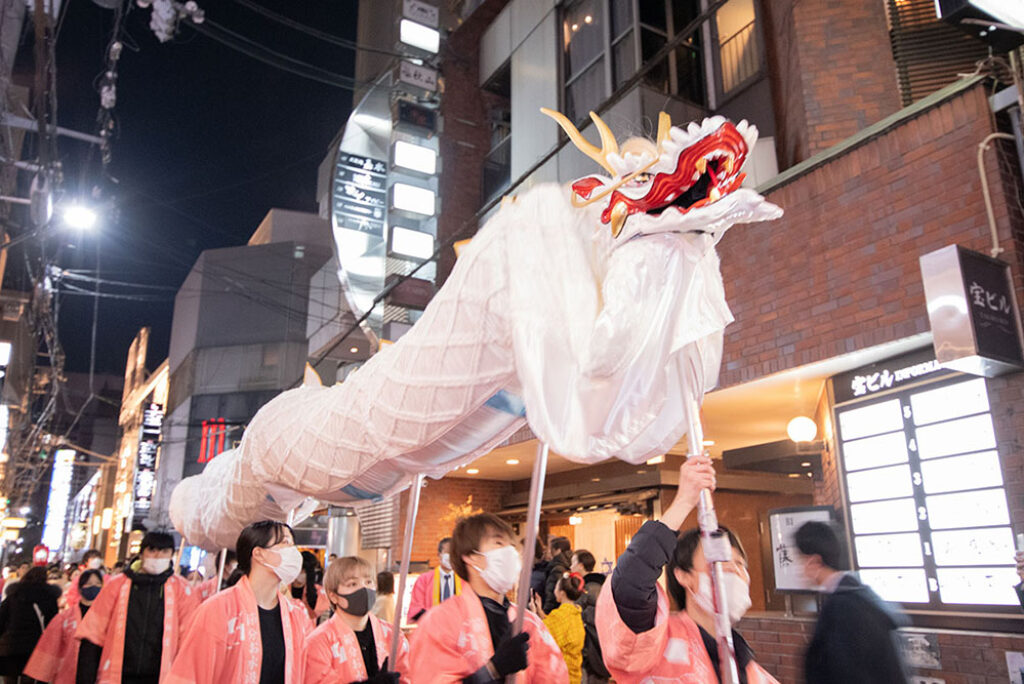
February in Osaka trades spectacle for texture—ancient rituals, limited-time exhibitions, one-night concerts, winter illuminations, the return of sports, and the first hints of spring.
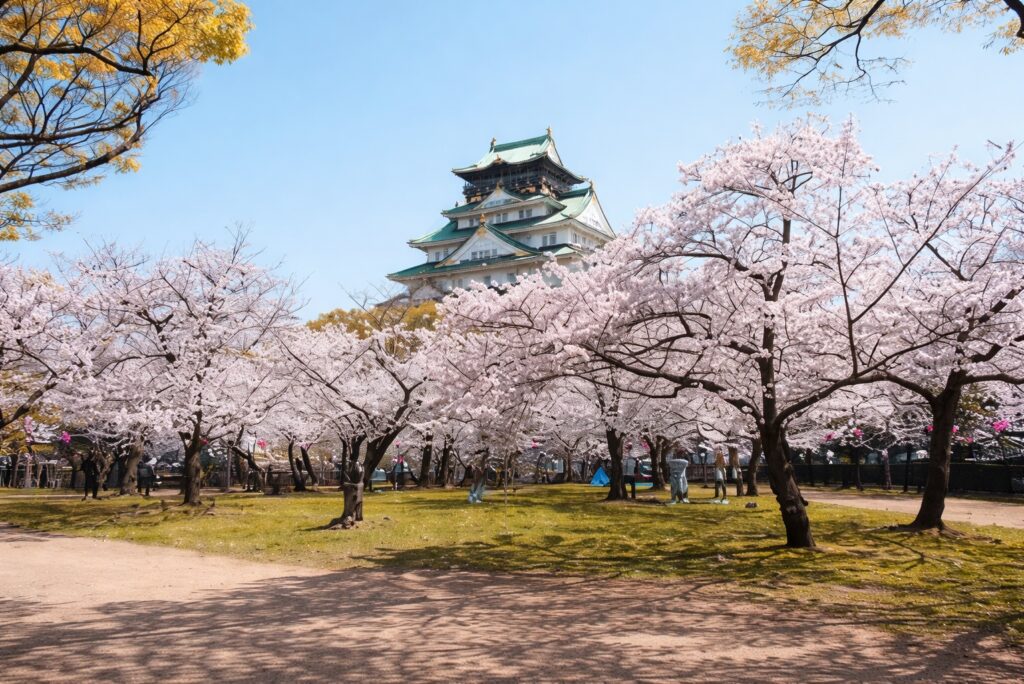
Cherry blossom season in Osaka isn’t a single day on a calendar. It’s a slow build, a collective inhale, and then — almost overnight — a city washed in pale pink. If you know how to read the signs, you can feel it coming.
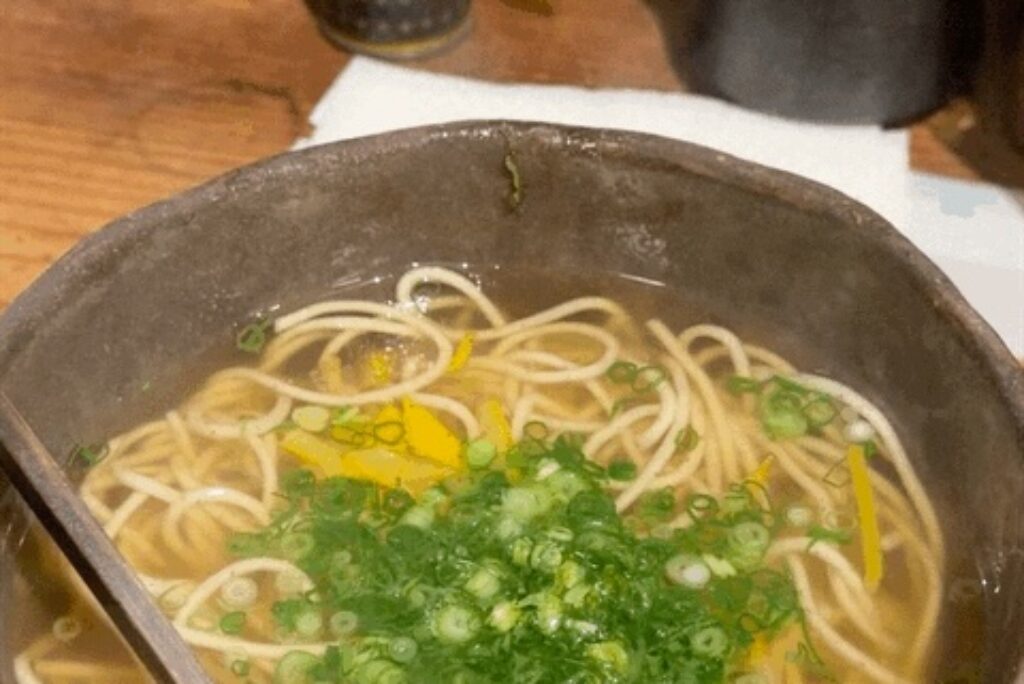
Osaka is famously known as “the kitchen of Japan,” but its most revealing food moments aren’t always flashy. In late winter, as the cold hangs on and spring feels close but not quite here, the city leans into warming, grounding foods that locals return to every year — not because they’re trendy, but because they make sense.
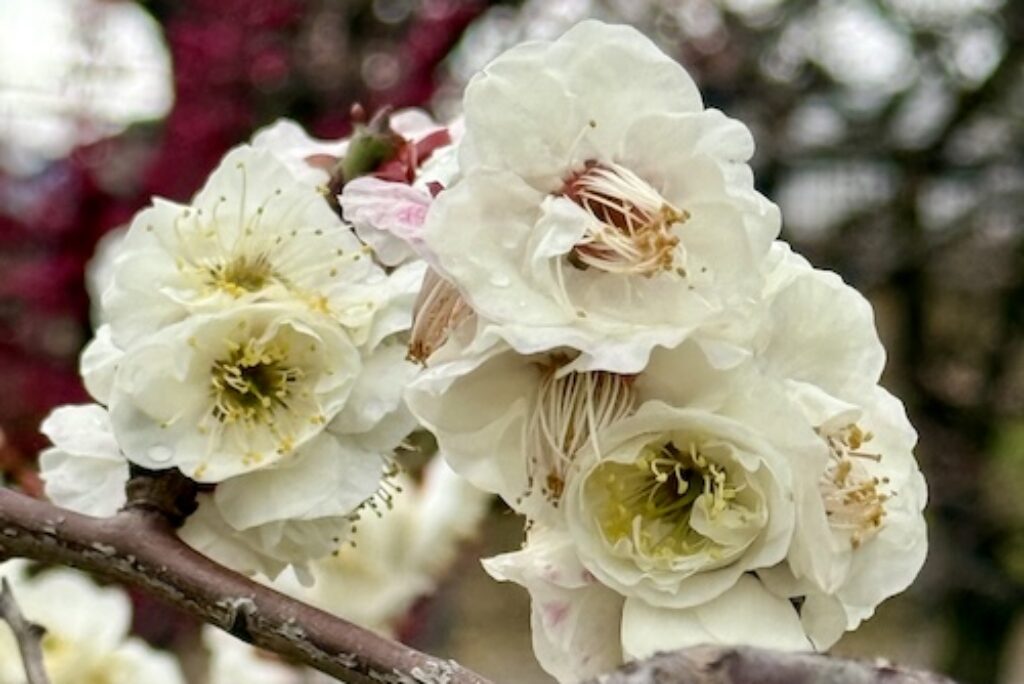
Cherry blossom season may get the headlines, but travelers arriving in Osaka in February are quietly rewarded with something rarer: seasonal beauty without the crowds. As plum blossoms begin to open across the city’s parks, shrines, and historic landscapes, Osaka enters a short, elegant window where winter loosens its grip and spring begins to whisper — not shout.
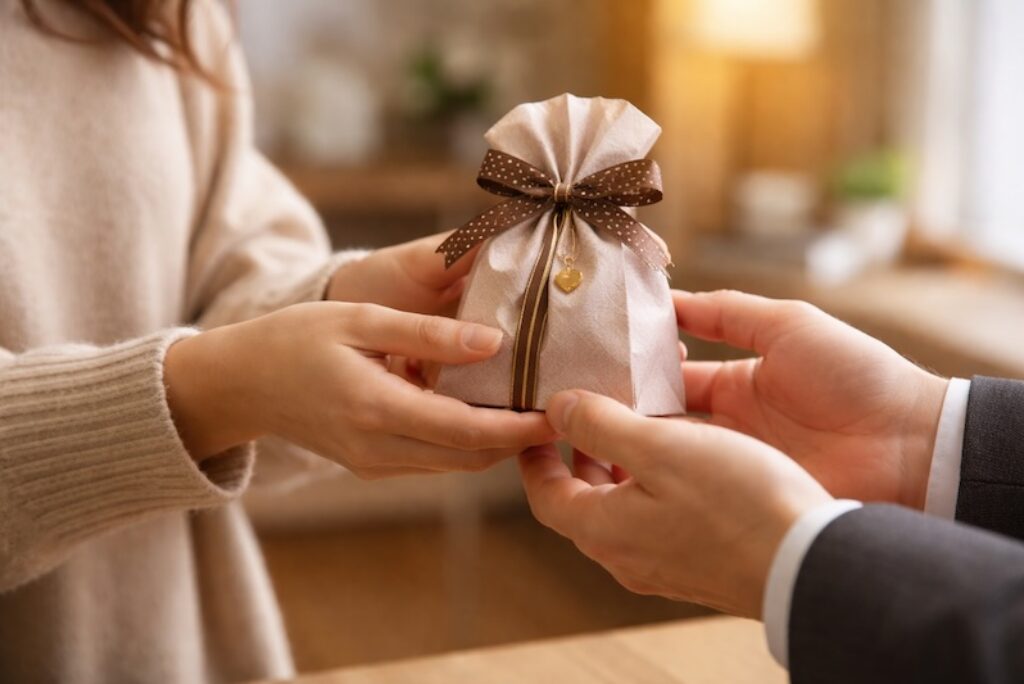
Valentine’s Day in Japan isn’t so much about declaring love as it is about marking the season, navigating relationships with care, and enjoying something sweet. What appears understated at first is actually a carefully structured ritual shaped by custom, retail culture, and evolving social norms.
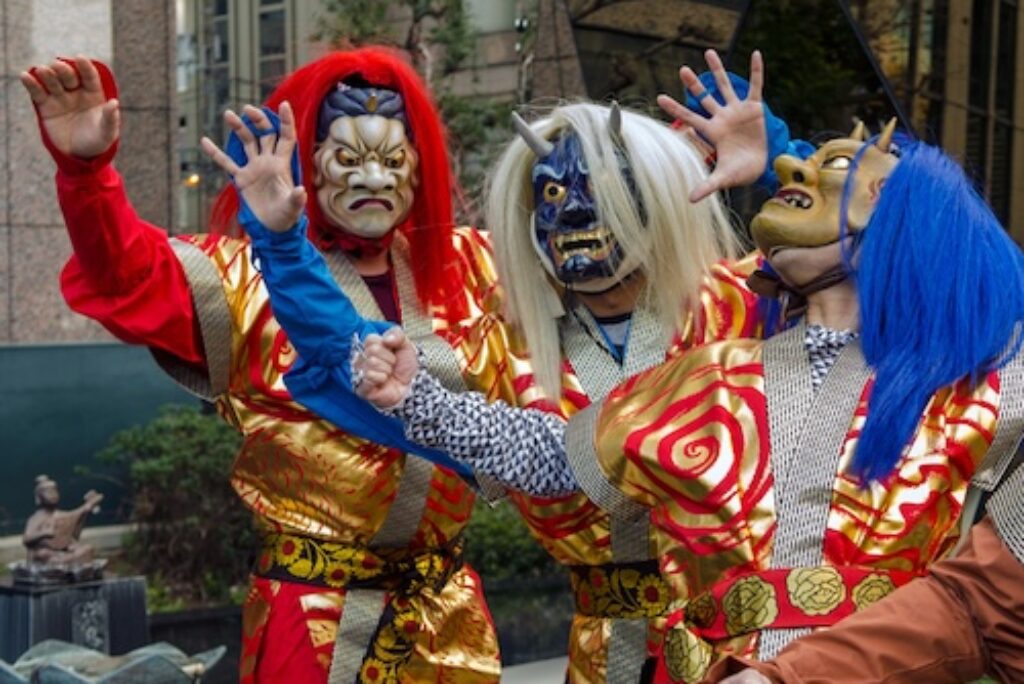
Setsubun is the moment Osaka collectively “turns the season,” symbolically sending winter’s misfortune out and welcoming good fortune in. It’s playful on the surface—beans, masks, cheers—but it’s also a shared cultural reset that locals genuinely show up for, and a perfect first tradition for newcomers to experience from the inside.