Spend a perfect day exploring the iconic Osaka Castle, discovering its top attractions, photo spots, gardens, museums and fun activities without ever leaving the castle grounds.
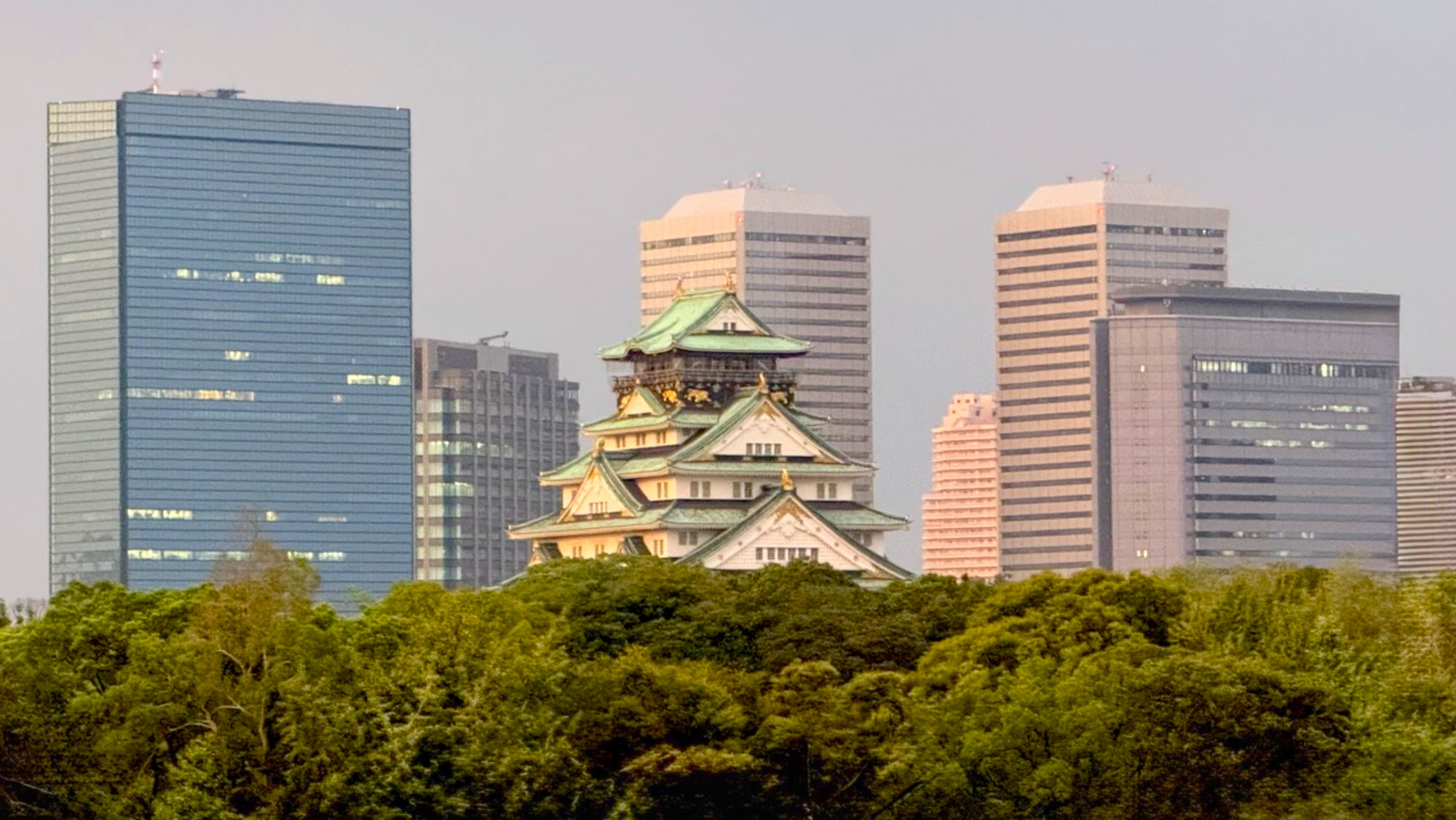
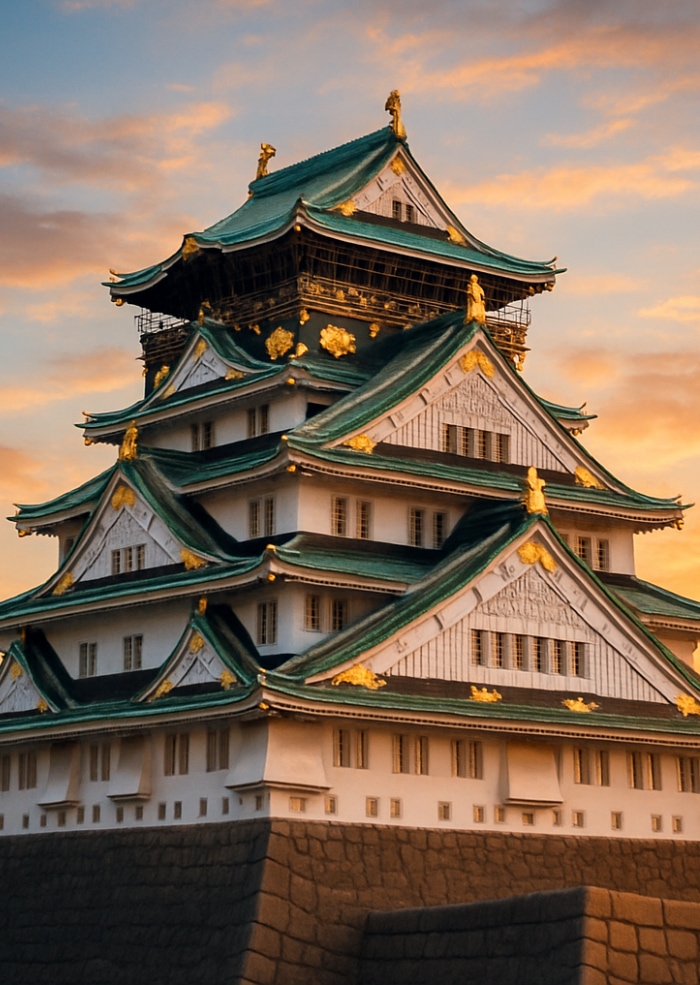
Osaka Castle has stood as a proud symbol of the city for centuries—its towering white walls and gleaming golden ornaments a beacon of resilience and ambition. First built by the legendary warlord Toyotomi Hideyoshi in the late 16th century, it has witnessed battles, reconstruction and the sweeping tides of history.
Today, surrounded by sprawling green parkland, a shimmering moat and the modern skyline of Osaka, it’s more than just a monument—it’s a living, breathing destination where history, culture, nature and entertainment converge.
Step inside the castle grounds and you’ll find yourself in a vast world of attractions. It’s easy to spend a full day here, moving from quiet gardens to bustling food stalls, from centuries‑old samurai artefacts to live music under the stars. This is the ultimate guide to experiencing Osaka Castle to its fullest—an itinerary without feeling like one, designed to help you savour every moment.
MORNING
If you haven’t had your first coffee yet, grab a pastry at R Baker, your favorite coffee at Starbucks, overlooking the fountain plaza just steps from JR Osakajokoen Station. Enjoy them while people‑watching by the fountain or carrying them into the castle grounds.
Once you’re fueled up, hop on the Osaka Castle Loop Bus, an open‑sided sightseeing bus that circles the park. The main boarding point is close to Otemon Gate, with additional stops near Morinomiya and Osakajokoen stations. A one‑day ride costs around ¥300 for adults and ¥200 for children, and the loop takes about 20 minutes, offering photo opportunities from multiple angles..
Prefer the water? Head to the pier just outside Otemon Gate to board the Aqua‑Liner sightseeing boat. The 55‑minute cruise costs ¥1,500 for adults and ¥750 for children, with departures every 30–40 minutes. Commentary is available in Japanese and English, and seasonal reflections — cherry blossoms in spring or glowing autumn foliage — make the moat one of the most scenic views in Osaka.
LATE MORNING
By mid‑morning it’s time to head into the Main Tower of Osaka Castle, the most iconic feature of the park and home to its comprehensive museum. Tickets can be purchased on‑site at the entrance gates (¥1,200 adults / ¥600 students) or in advance online via the official site, which can save precious time during weekends and peak tourist seasons. Arriving before 10:30 a.m. is recommended to avoid long lines — especially during cherry blossom season in April and the vivid autumn foliage in November.
Inside, the tower reveals itself as more than just a reconstructed landmark: it’s a multi‑story museum that chronicles not only the life of Toyotomi Hideyoshi, the castle’s original builder, but also the broader sweep of Japan’s feudal past. Each floor offers a different theme and set of exhibits:
First and Second Floors — Introductions to the castle’s architecture and history, with scale models and dioramas illustrating key battles like the Siege of Osaka.
Third and Fourth Floors — Focus on Toyotomi Hideyoshi’s rise from peasant soldier to national ruler, with letters, portraits, and treasured items.
Fifth Floor — Immersive storytelling of the Summer War of Osaka (1615), highlighted by a panoramic folding screen painting of the battle.
Sixth and Seventh Floors — Displays of samurai armor, swords, helmets, and Edo‑period craftsmanship.
Eighth Floor — The observation deck, a 360‑degree panorama of Osaka with telescopes and plaques pointing out landmarks.
Together, these floors make the Osaka Castle Museum a multi‑sensory experience, combining architecture, art, storytelling, and panoramic scenery.
LUNCH
By midday, hunger sets in — and Osaka Castle Park makes it easy to refuel.
If you skipped R Baker Inspired by court rosarian earlier, swing back to the fountain plaza. In addition to pastries, they also serve sandwiches and savory focaccia, perfect for takeaway.
Convenience stores ringing the park, including a Lawson near Morinomiya Station, offer bento boxes, rice balls, and cold drinks.
For a sit‑down meal, head to Miraiza Osaka‑jo, the handsome brick building just steps from the keep. Inside, you’ll find several distinct dining experiences:
Crossfield with Terrace Lounge — Western‑influenced plates and desserts, best enjoyed on the terrace with views of the castle walls.
Ristorante Osteria Bianchi — Authentic Italian pizza and pasta with a cozy dining room and wine list.
Blue Birds Rooftop Terrace (seasonal) — A rooftop beer garden with grilled dishes, buffet items, and panoramic castle views.
For variety, walk across to JO‑TERRACE OSAKA, just outside the south gate near JR Osakajokoen Station. This complex houses cafés and restaurants: Ganko Osaka Castle for sushi and Japanese set meals, Sakura Dining for teppan dishes, and casual cafés for coffee and sweets.
AFTERNOON
After lunch, shift the tone from sightseeing to reflection at Peace Osaka (Osaka International Peace Center). Located at the southeast corner of the park near Morinomiya Station, this museum is dedicated to the legacy of World War II and the tragedies of nuclear warfare. Its permanent exhibitions cover the atomic bombings of Hiroshima and Nagasaki, as well as Osaka’s own wartime experiences during the devastating air raids of 1945. Survivor testimonies, photographs, and artifacts create a sobering yet powerful reminder of the human cost of war.
Seasonal cultural showcases bring added depth to the afternoon. Depending on the time of year, visitors can enjoy tea ceremonies, samurai armor try‑on experiences, or antique markets held in Miraiza’s courtyard or near the Band Shell.
Scattered across the grounds are also figure exhibits and miniature displays that dive into specific aspects of Osaka’s history — from recreated models of the old castle town to dioramas of battles and festivals. These rotating features provide fascinating insight into daily life in the Edo period and beyond.
EVENING
As the day fades, Osaka Castle Park transforms from a historical landscape into a stage for entertainment and atmosphere. The Osaka Castle Band Shell, an open‑air venue, has hosted some of the biggest names in Japanese music over the past few years — including Kyary Pamyu Pamyu, Perfume, NMB48, and Official HIGE DANDism. It’s also the site for jazz festivals, cultural showcases, and seasonal concerts, always framed by the illuminated castle keep.
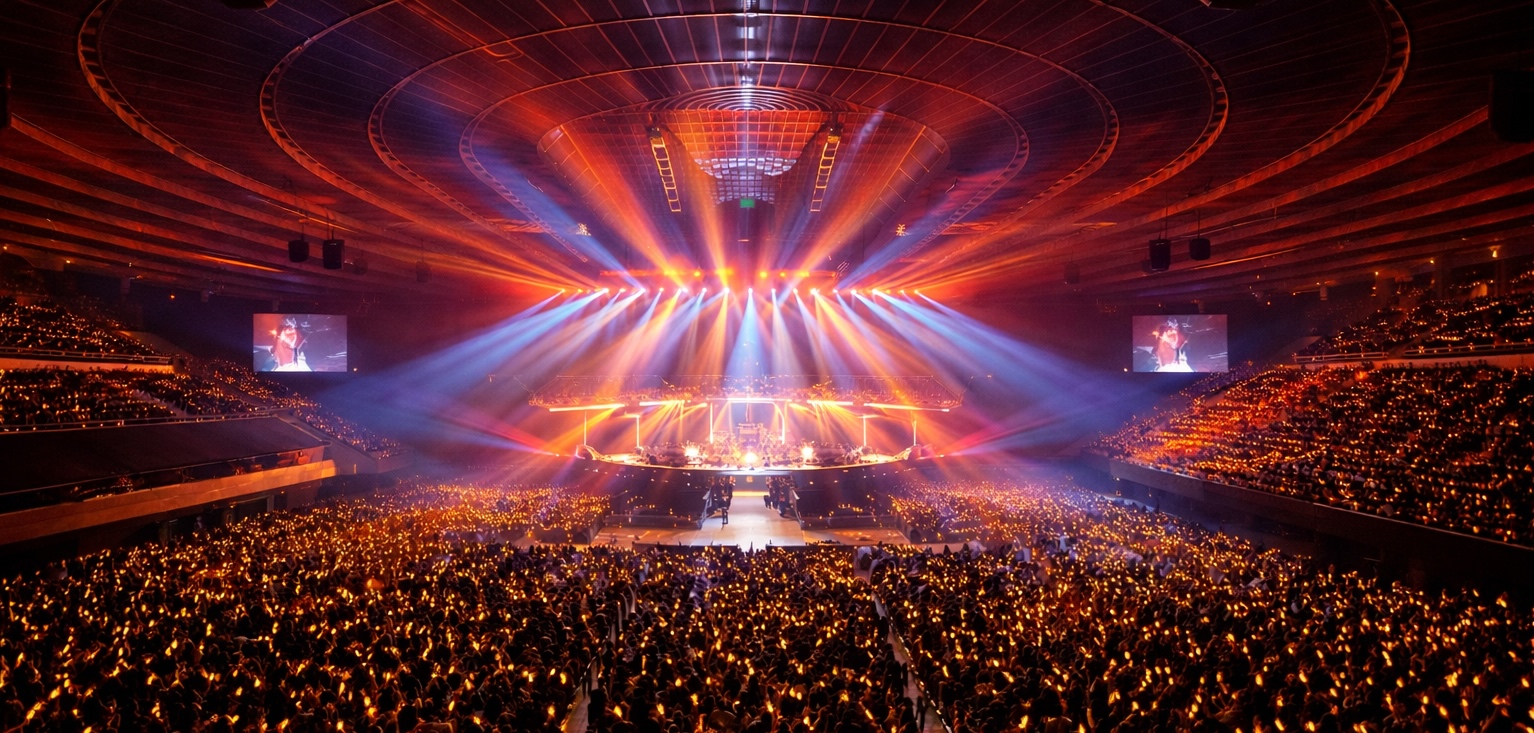
For even larger events, Osaka‑jō Hall hosts arena‑scale concerts with both Japanese and international stars. Recent headliners have included Arashi, King & Prince, ONE OK ROCK, Bruno Mars, and Adele. On concert nights, the entire park buzzes with energy, food stalls, and fans streaming through the grounds.
Even if you aren’t attending a show, the evenings here are enchanting. Food stalls pop up during busy seasons, serving yakitori, okonomiyaki, and taiyaki. The illuminated keep glows gold and white, reflecting in the moat. For the best vantage point, step into Nishinomaru Garden during its evening opening (admission around ¥300). The castle’s reflection in the water from here is one of Osaka’s most iconic sights.
From coffee by the fountain plaza to reflections at Peace Osaka, from the Main Tower’s museum to terrace dining at Miraiza, and from seasonal cultural showcases to nighttime concerts and illuminations, Osaka Castle Park offers a full‑day journey through history, leisure, and entertainment. By the time you stand before the keep glowing against the night sky, you’ll have experienced not just a landmark, but the living heart of Osaka itself.
Multiple stations offer easy access to Osaka Castle Park.
From Tanimachi 4‑chome Station (Osaka Metro Tanimachi Line, Exit 1B), it’s about a 10‑minute walk through Otemon Gate to the Main Tower
Morinomiya Station (JR Loop Line) leads into the park’s eastern side—follow signs through the gate and past the baseball field. Osakajokoen Station on the JR Loop Line brings you to the north entrance; from there it’s a 15‑minute walk.
Bike rentals and boat tours are available seasonally near the gates.
SCHEDULE
Osaka Castle Park is open year‑round. The Castle Museum operates 9:00–17:00 (last entry 16:30)
Nishinomaru Garden opens 9:00–17:00 (closing at 16:30 November–February)
The castle tower is closed December 28 – January 1
A suggested day itinerary: 08:30–09:30: Ride the Loop Bus or Aqua‑Liner sightseeing boat.
09:30–10:30: Explore Nishinomaru Garden and the plum grove.
10:30–12:00: Tour the Castle Museum.
12:00–13:30: Lunch at cafés or Miraiza Osaka‑jo.
13:30–16:00: Visit the Osaka Museum of History or enjoy seasonal events.
16:00–18:00: Stroll the gardens and wooded paths.
18:00–21:00: Attend a concert at Osaka‑jo Hall or enjoy the night illumination.
TICKETS
Tickets for the Castle Museum and Nishinomaru Garden can be purchased at entrance gates or via the official website.
The Main Keep Museum costs ¥1,200 for adults and ¥600 for college/high‑school students
Entrance to Nishinomaru Garden costs ¥200 (¥350 during the cherry blossom season)
Tickets for the Aqua‑Liner and Osaka Castle Loop Bus are sold separately at pier and bus stops.
Combination passes or online reservations may be available—check the operators’ sites.
INFO
Policies & Tips – Peak seasons: Cherry blossom season in early April and autumn foliage in late November draw large crowds; arrive early to avoid long lines.
– Accessibility: Elevators serve most floors of the Castle Museum; however, the final staircase to the observation deck may require walking. Wheelchair rental is available at the park.
– Separate admissions: Special exhibitions at the museum and tea ceremonies or events in the garden may require separate tickets. Boat cruises and the Loop Bus are not included in standard admission.
– Prepare for weather: Much of the park is outdoors; bring sun protection in summer and warm clothing in winter. Comfortable walking shoes are recommended.
Contacts The park is managed by the Osaka Castle Park Center. For inquiries, call 06‑6755‑4146; language assistance is available at major facilities.