Plum Blossom Season in Osaka
Seasonal Beauty Without the Sakura Crowds
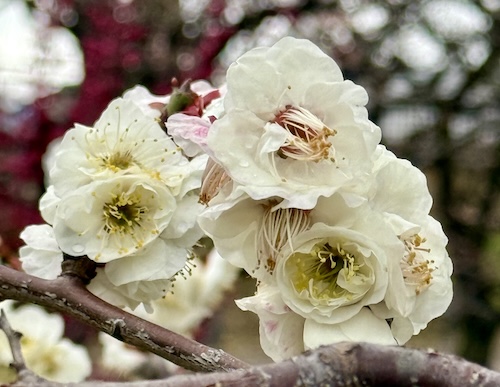
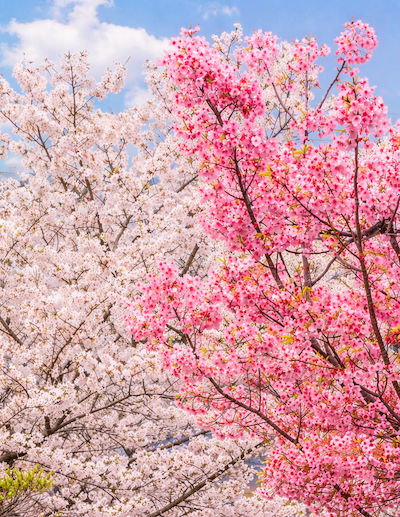
Plum blossom season is often described as a prelude to cherry blossoms, but that framing sells it short. In Osaka, late winter is not a waiting room — it’s a fully formed season in its own right. From early February through early March, the city’s plum trees bloom steadily rather than all at once, spreading color across weeks instead of days and allowing visitors to experience seasonal change at a calmer, more personal pace.
For travelers who love seasonal flowers but don’t love crowds, this timing is quietly ideal. Parks remain walkable. Major landmarks feel spacious. Photographers don’t need to race the clock, and visitors can linger without worrying they’ve missed the moment. Many of the same locations that will soon be packed shoulder-to-shoulder for sakura are, for now, open, breathable, and inviting.
It’s a season that rewards curiosity rather than urgency — and Osaka is especially well suited to it.
Osaka Castle Park: Winter’s Quiet Icon
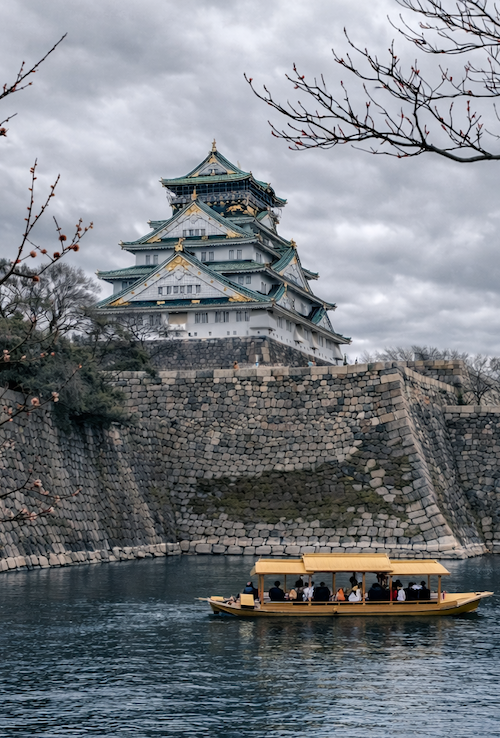
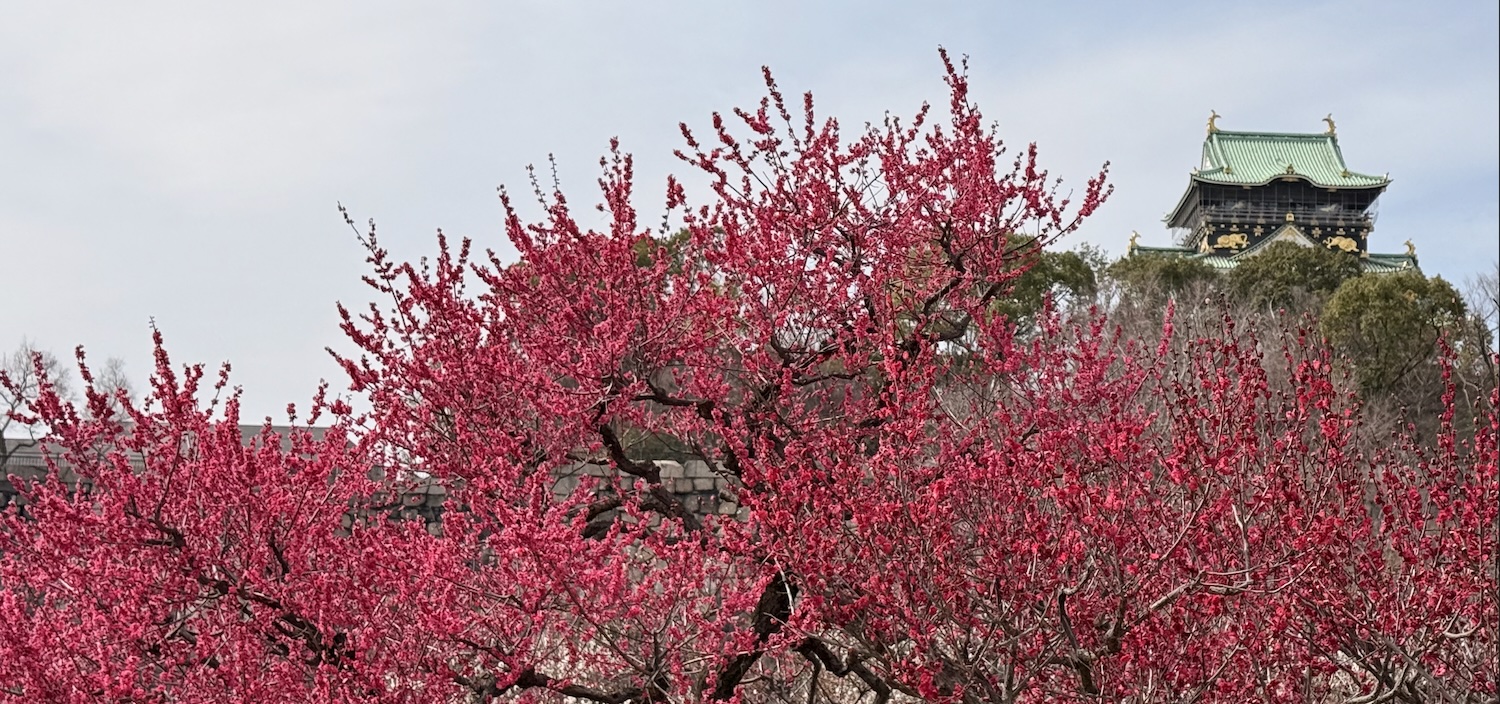
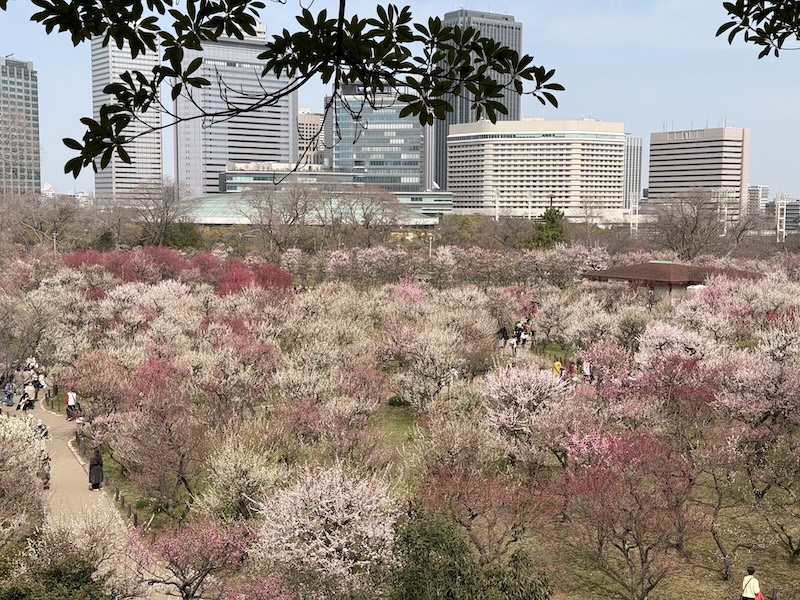
Osaka Castle Park is often associated with cherry blossoms, but its plum grove tells a different, quieter story. Tucked into the castle grounds is one of the largest and most diverse collections of plum trees in western Japan, with over a thousand trees representing more than one hundred varieties. The result is a landscape that evolves day by day, as early-blooming whites give way to deeper pinks and reds across rolling terrain.
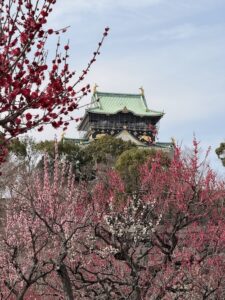
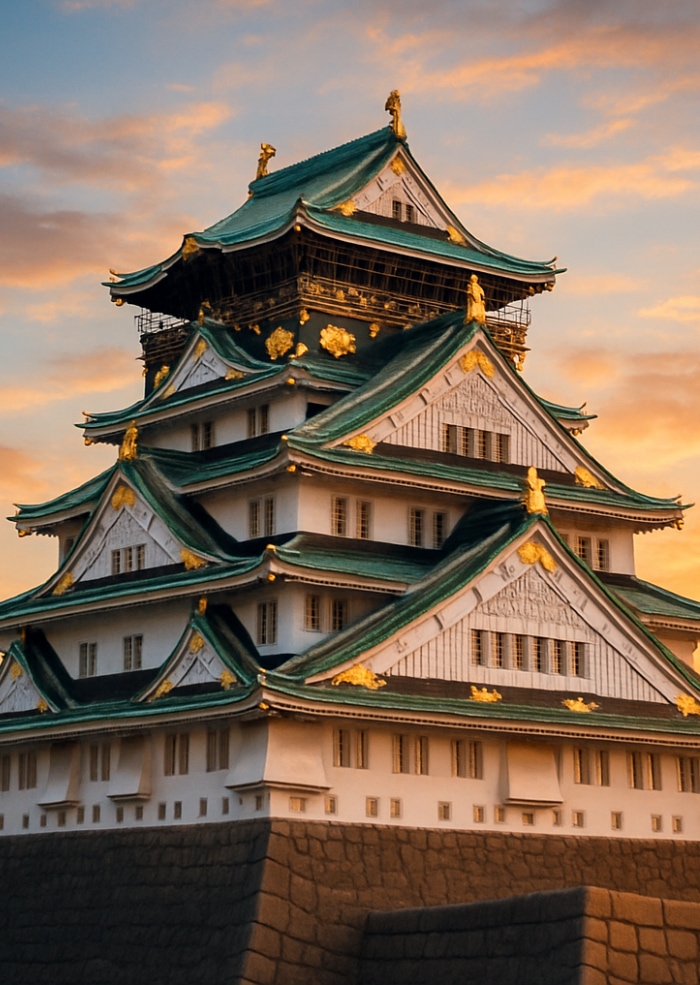
What makes plum season here special is contrast. The towering stone walls of the castle, the stillness of the winter air, and the restrained elegance of ume blossoms create a scene that feels contemplative rather than celebratory. It’s less about spectacle and more about atmosphere — a slow walk, a lingering view, a moment of quiet in the heart of the city.
Because blooming times vary by variety, there’s no single “perfect” day. Instead, the grove rewards repeat visits and unhurried exploration, especially in the weeks before cherry blossom crowds arrive.
Check out our Osaka Castle Park Plum Grove event story.
Expo ’70 Park: Where Plum Season Feels Complete
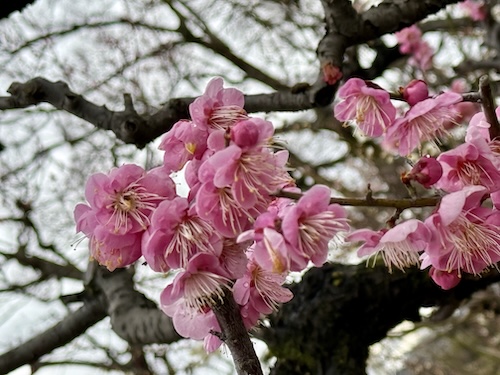
If Osaka Castle Park is about history and atmosphere, Expo ’70 Commemorative Park is about scale and immersion. Sprawling across the former grounds of the 1970 World Exposition, the park offers one of the city’s most comprehensive plum-viewing experiences, with hundreds of trees spread across multiple landscaped zones.
Two distinct areas shape the experience. The Natural and Cultural Gardens feature wide paths and dense groves that invite relaxed strolling, while the Japanese Garden offers a more composed setting where plum trees are integrated into carefully designed scenery. Together, they create a sense that plum season here is not incidental, but intentional.
That impression is reinforced each year by the park’s official plum blossom festival, held from early February through early March. While the event itself remains low-key — focusing on seasonal atmosphere rather than performances or crowds — its existence quietly confirms Expo ’70 Park’s role as one of Osaka’s most important ume destinations.
For visitors, this is where plum season feels most complete: expansive views, clear walking routes, and enough variety to reward an entire afternoon.
Osaka Tenmangu: Blossoms With Meaning
Plum blossoms carry deep cultural symbolism in Japan, and nowhere in Osaka is that connection clearer than at Osaka Tenmangu. Dedicated to Sugawara no Michizane — a scholar, poet, and historical figure closely associated with ume — the shrine’s plum trees are more than ornamental. They are expressions of learning, perseverance, and seasonal renewal.
The scale here is modest compared to the city’s major parks, but that intimacy is the point. Visitors come not just to view blossoms, but to experience them within a living religious setting: wooden halls, stone lanterns, and the quiet rhythm of local worship. In February, the shrine feels especially balanced — active but not overwhelmed, seasonal without spectacle.
For travelers interested in cultural context rather than pure scenery, Osaka Tenmangu offers one of the most meaningful plum blossom experiences in the city.
Everyday Osaka, Softened by Bloom
South of the city center, Nagai Park presents plum blossom season as locals experience it — woven into daily life rather than framed as an event. The park’s open grounds are free to enter, while the adjacent Nagai Botanical Garden offers a more curated setting with labeled plantings and seasonal displays.
Plum trees here don’t demand attention. They line paths, edge lawns, and appear almost unexpectedly as visitors jog, picnic, or walk dogs. It’s an easy place to spend time, especially for travelers curious about how Osaka residents enjoy seasonal change outside major sightseeing zones.
The contrast between casual park life and delicate winter blossoms gives Nagai a gentle charm that feels distinctly local.
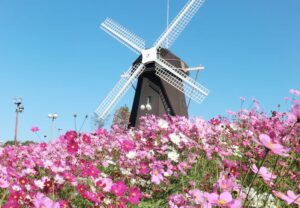
Quiet Space, Lingering Color at Tsurumi Ryokuchi Park
Tsurumi Ryokuchi Park, originally developed for a flower exposition, remains one of Osaka’s most spacious green areas — and one of its calmest during plum season. Plum trees are scattered rather than concentrated, encouraging exploration rather than checklist sightseeing.
Here, blossoms feel like discoveries rather than destinations. Long paths, open skies, and fewer visitors make it easy to slow down, linger, and notice small changes in light and color. For travelers seeking breathing room after busy urban days, this park offers a fitting conclusion to a late-winter exploration.

Plum blossom season doesn’t compete with cherry blossoms — it offers something different. It rewards travelers who arrive early, who prefer depth over drama, and who enjoy seeing a city before it braces for its busiest weeks.
In Osaka, late winter brings clear air, walkable streets, and seasonal beauty that unfolds gradually rather than all at once. It’s a moment when historic landmarks, vast parks, and neighborhood spaces all soften together — not in preparation for spring, but as a season worth experiencing on its own.
For those who love seasonal flowers, February isn’t a compromise. It’s a quiet upgrade.
THE SCENE: FAQs
Osaka Castle Park: JR Osaka Loop Line → Osakajokoen Station; Osaka Metro Chuo Line / Nagahori Tsurumi-ryokuchi Line → Morinomiya Station; Osaka Metro Tanimachi Line → Tanimachi 4-chome Station.
Expo ’70 Commemorative Park: Osaka Monorail → Banpaku-Kinen-Koen Station or Koen-Higashiguchi Station.
Osaka Tenmangu Shrine: JR Tozai Line → Osaka Tenmangu Station; Osaka Metro Tanimachi Line / Sakaisuji Line → Minami-Morimachi Station.
Nagai Park & Botanical Garden: JR Hanwa Line → Nagai Station; Osaka Metro Midosuji Line → Nagai Station.
Tsurumi Ryokuchi Park: Osaka Metro Nagahori Tsurumi-ryokuchi Line → Tsurumi-Ryokuchi Station.
Plum blossom season typically runs from early February through early March, depending on weather conditions.
Expo ’70 Commemorative Park Ume Matsuri 2026: February 7 – March 8, 2026; park hours 9:30–17:00 (last entry 16:30); closed Wednesdays except holidays.
Osaka Castle Park: Free admission.
Expo ’70 Commemorative Park: Adults ¥260; children ¥80; festival events included with park admission.
Osaka Tenmangu Shrine: Free admission.
Nagai Park: Free; Nagai Botanical Garden: ¥300 for adults.
Tsurumi Ryokuchi Park: Free admission.
Dress warmly; February temperatures can be cool, especially in shaded park areas.
Weekday mornings offer the quietest viewing experience.
Photography is permitted in most outdoor areas; respect shrine etiquette at Osaka Tenmangu.
Bloom timing varies each year depending on weather conditions.
Contacts
For the latest information, check the official websites of Osaka Castle Park, Expo ’70 Commemorative Park, Osaka Tenmangu Shrine, Nagai Park, and Tsurumi Ryokuchi Park.
Photos: Osaka Scene Staff
You may also be interested in:
Also read:
Osaka Scene: GUIDES
Festival Guide